
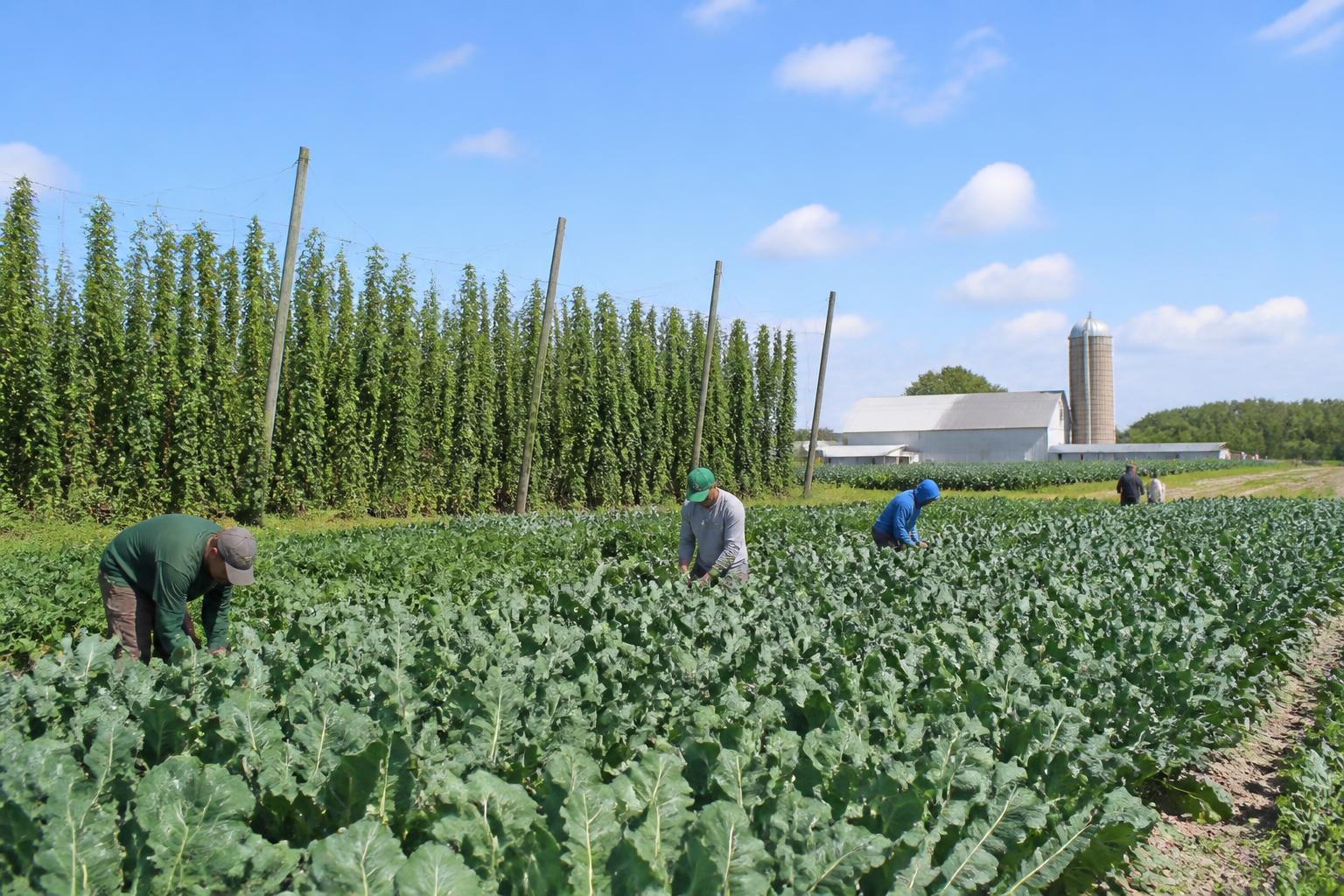
As the late summer heat persists across Michigan, the agricultural landscape remains a focal point for both domestic productivity and global trade. Recent developments in the grain sector underscore a period of significant activity, with local producers and handlers adapting to shifting logistical and market demands. For those involved in the supply chain, understanding the regional pulse—from the shifting export landscape to local capacity management—is essential as we head toward the final months of the year.
Export Success and Production Milestones
The state has seen notable highlights recently, including recognition for local export leadership. Such achievements often underscore the resilience and strategic importance of Michigan's grain elevators in connecting local surplus to broader markets. Furthermore, recent data indicates that wheat producers in the region have achieved significant per-acre yield records. These milestones often provide a necessary boost to the local economy, though they also place increased pressure on logistics and transport infrastructure as the industry prepares for the movement of these record-breaking volumes.
Market Outlook and Supply Dynamics
Looking ahead, the market is balancing domestic production efficiency with broader trade signals. Recent commitments by international partners to increase imports of key commodities, such as soybeans and protein products, may impact local demand. For producers looking to optimize their position, monitoring current purchasing trends and regional pricing remains a practical way to manage inventory. While global competitors continue to expand their production capabilities, the focus for Michigan agribusinesses typically remains on local quality and logistical reliability to maintain a competitive edge.
What it means for the market
For grain handlers and farmers, the current environment demands a proactive approach to storage and transportation. With high yields reported and active export channels, ensuring that your local elevator has the capacity and the logistical network to move product efficiently is a top priority. As the season progresses, market participants should remain closely aligned with local transport partners to avoid bottlenecks, ensuring that the momentum gained from this year's production is successfully captured in the bottom line.
Comments
No comments yet - be the first to share your take.