
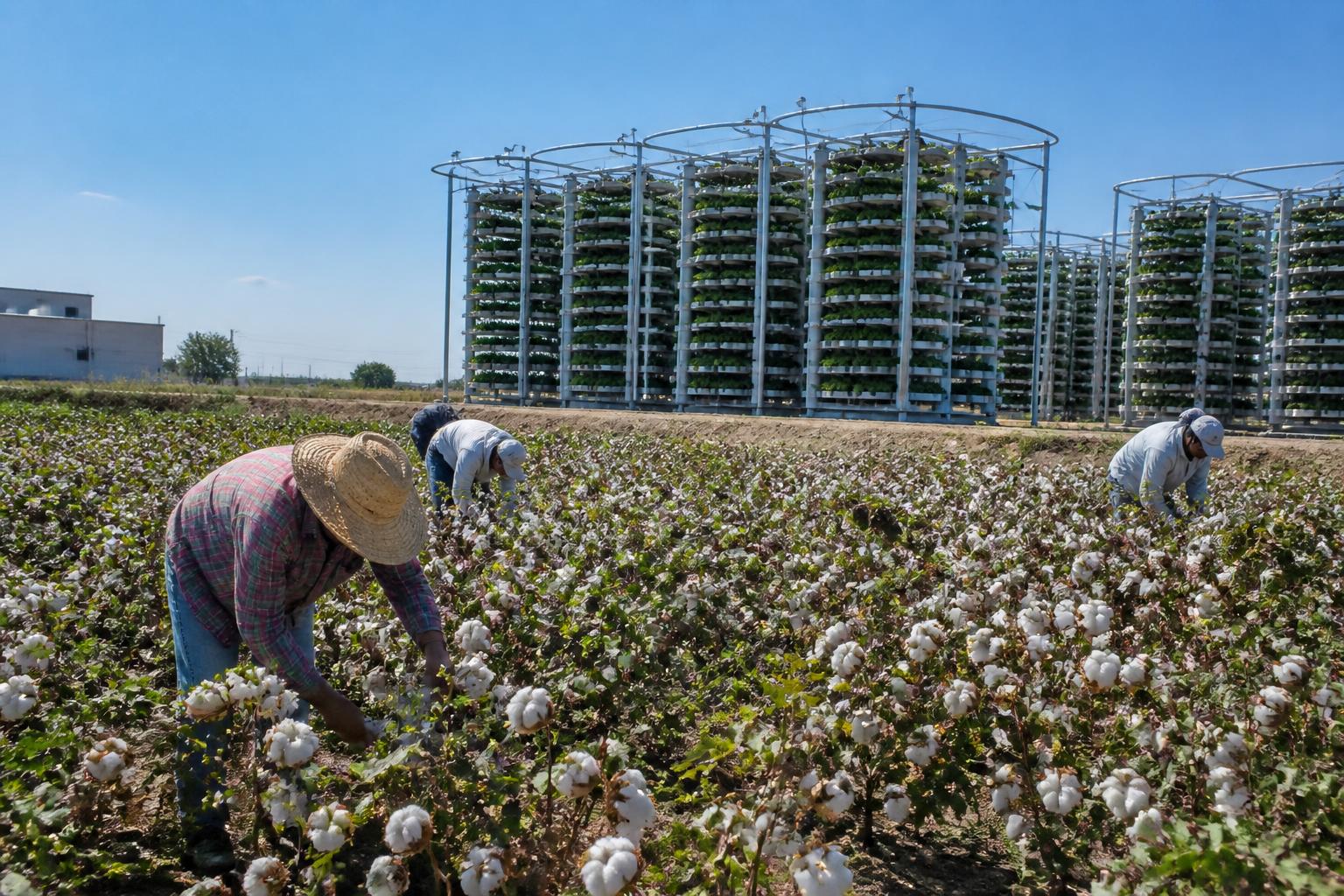
Arizona agriculture is currently undergoing a strategic evolution, as producers across the state adapt to shifting seasonal demands and tighter resource management. With the state's diverse crop portfolio, including everything from high-value specialty crops to traditional staples, maintaining soil nutrient balance has become a central focus for many agribusinesses and local operations. Growers are increasingly looking at data-driven agronomy to optimize input applications, ensuring that every pound of fertilizer is utilized efficiently in the face of variable water availability.
As farmers in regions like Marana and beyond assess their upcoming needs, the integration of new technologies into standard operations is becoming more common. Many are exploring advanced formulations designed to improve plant resilience, reflecting a broader trend where Arizona growers navigate evolving pest pressures while balancing economic thresholds. This shift is not just about volume but about the precision of timing and delivery, helping to stabilize operational costs even as global supply chains remain volatile.
Refining Nutrient Strategies for Sustainable Yields
The market for fertilizers in the Southwest is being influenced by a mix of local innovation and macro-level pressures. Companies operating within the state are shifting their service models to prioritize sustainability, often providing more comprehensive support that blends traditional agronomic advice with modern marketing tools. For the average producer, this means that selecting a partner is less about a single product purchase and more about securing a long-term strategy for land stewardship.
Furthermore, as producers continue to monitor their market outcomes in water-sensitive regions, the demand for inputs that enhance crop health without exacerbating soil strain is expected to climb. Whether dealing with perennial crops or rotational annuals, the focus remains on building plant vigor that can withstand the intense summer heat typical of the Arizona climate.
What it means for the market
For grain handlers and input buyers, the current environment suggests a shift toward high-efficiency products and services. While the sector faces challenges from international price fluctuations, the local push toward technological adoption in Arizona is likely to sustain demand for specialized fertilizers that support long-term farm profitability and environmental compliance.
Comments
No comments yet - be the first to share your take.