
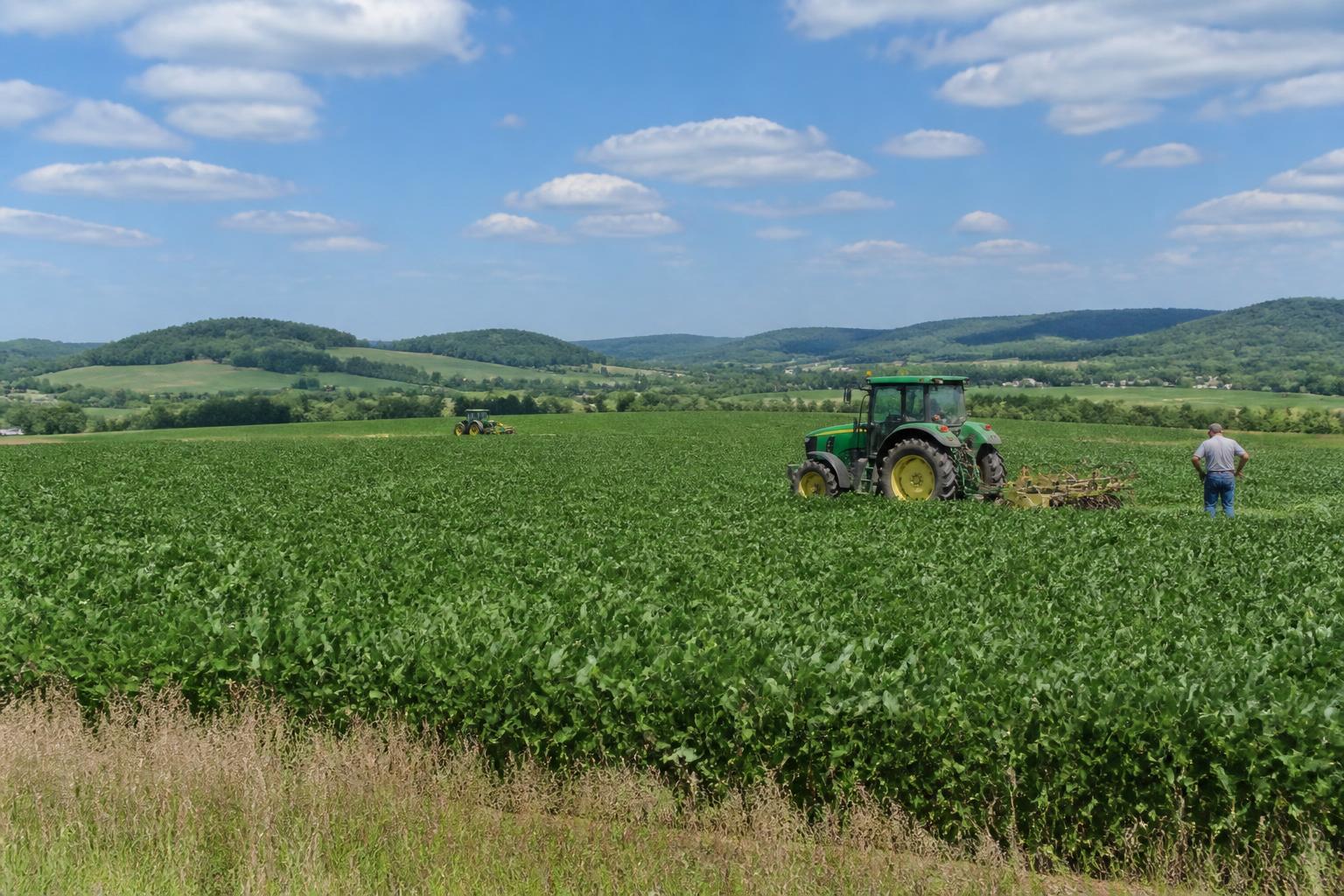
Mid-summer in Kentucky brings a unique set of operational challenges that demand close attention from producers and logistics providers alike. As the season progresses, farmers across the Bluegrass State are working to maintain field productivity while addressing the ongoing requirements of mid-season crop management and logistical coordination. For grain handlers and livestock producers, the focus is increasingly on the efficiency of supply chains during periods of peak transit demand.
Managing Logistics in a Volatile Season
Infrastructure and transportation reliability serve as the backbone for Kentucky agriculture, particularly as local stakeholders coordinate the movement of inputs and harvest outputs. In many regions, the ability to maneuver around weight-restricted local roads and highway corridors often dictates the speed at which producers can react to market shifts. Operators in areas with varying topographical features frequently encounter seasonal bottlenecks that require careful planning well in advance of peak traffic windows.
Disaster Recovery and Operational Continuity
Recent weather events have left many producers in the Commonwealth navigating the complexities of post-impact recovery. The availability of federal and state resources has provided a vital cushion, allowing many to prioritize long-term infrastructure over immediate operational losses. For those involved in planning for financial and crop resilience, these recovery programs often act as a bridge, ensuring that essential transportation and storage assets remain functional during critical times of the year.
What it means for the market
For the Kentucky agribusiness sector, the path forward requires a balanced approach. Producers and carriers who prioritize flexible logistical strategies—such as diversifying storage options and securing local processing partnerships—are better positioned to mitigate the risks of seasonal volatility. As we look toward the harvest window, keeping a close watch on regional transportation capacity and local processing availability will be the key to maintaining profitability in an evolving market.
Comments
No comments yet - be the first to share your take.