
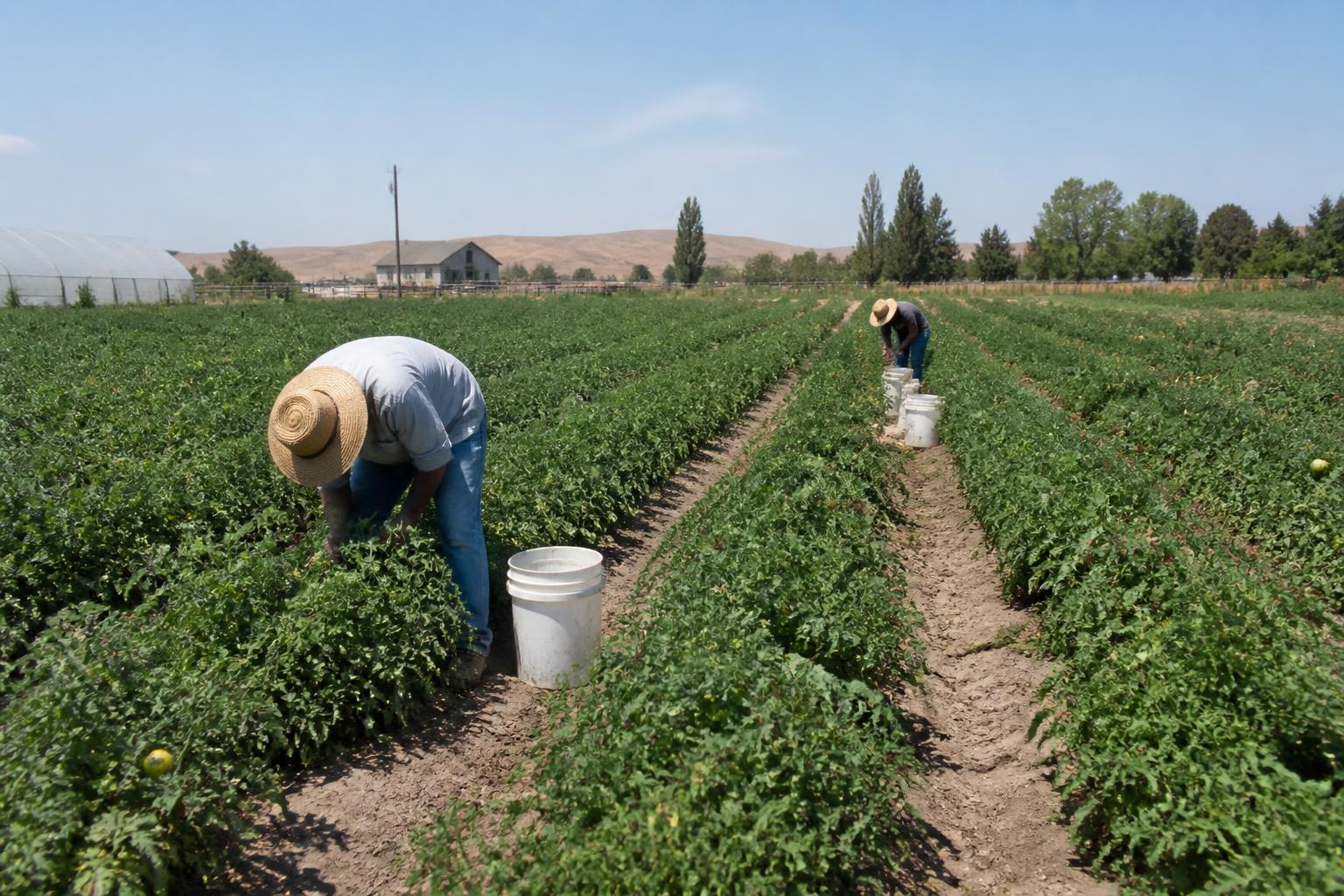
Adapting to Summer Heat in Kentucky
As Kentucky producers navigate the height of the summer season, sustained high temperatures continue to impact crop management. Many specialty crop farmers across the state are adjusting harvest schedules and implementing protective measures to maintain produce quality during these intense heat cycles. Whether monitoring fields near the Ohio River or managing irrigation schedules in central Kentucky, protecting yield potential remains the primary objective.
Financial Considerations for Agribusiness
Beyond field operations, this period often serves as an opportune time for producers to review financial health and regulatory obligations. Managing state-level sales tax exemptions remains a critical task for farm operations to ensure they are properly utilizing available benefits on inputs and equipment. Maintaining accurate documentation is essential for navigating local input market complexities and ensuring compliance during annual reviews.
Policy Impacts on Farm Revenue
Looking toward the next fiscal cycle, agricultural businesses are also tracking potential shifts in federal support. Discussions surrounding Price Loss Coverage (PLC) payments continue to be a focal point for growers planning their 2025 budgets. Understanding how these program adjustments align with localized production costs can help Kentucky farmers better manage cash flow, especially as they look toward balancing operational expenditures against market uncertainty.
What it means for the market
For Kentucky farmers, the combination of mid-summer heat stress and evolving financial landscapes underscores the need for agile management. Prioritizing crop protection in the short term while refining tax and subsidy strategies for the upcoming year will be vital for maintaining stability in a fluctuating market environment.
Comments
No comments yet - be the first to share your take.