
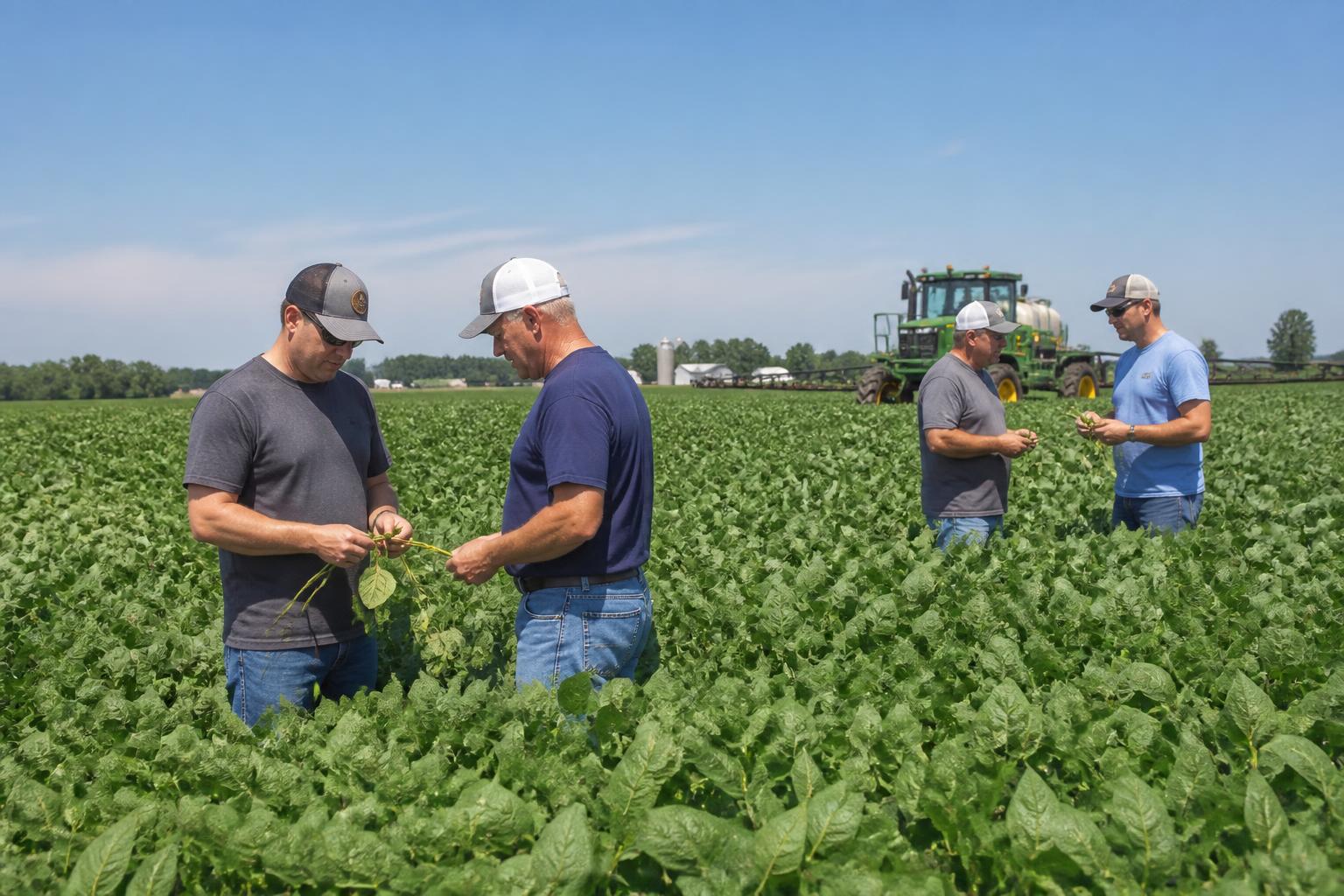
As the summer heat intensifies across the Commonwealth, Kentucky farmers are navigating a period of significant market adjustment. With the growing season entering its critical late stages, the focus has shifted from initial planting success to the complexities of long-term planning, operational risk management, and the necessity of keeping input costs in check. The agricultural sector is currently balancing high global demand with concerns regarding potential trade policy shifts that could impact grain pricing and export accessibility.
Adapting to Economic Headwinds
Local producers are reporting a sense of unease as they monitor national trade discussions. With much of Kentucky's harvest destined for broader commodity markets, fluctuations in trade policy often ripple directly into local basis levels. Farmers are increasingly prioritizing strategic grain storage decisions to mitigate the risks associated with volatile pricing, ensuring they have the flexibility to move grain when market signals are most favorable.
Focusing on Operational Efficiency
Beyond external market pressures, the day-to-day management of crops remains a priority. Recent field observations indicate that producers are staying vigilant against mid-season disease pressure, which can rapidly compromise yield potential if not addressed with timely input applications. As seen in recent localized market trends, the ability to maintain crop health through precise, cost-effective interventions is a defining factor in determining the ultimate profitability of the season.
What it means for the market
The current environment requires a disciplined approach to both logistics and financial planning. As we approach the latter half of the season, Kentucky agribusinesses should focus on securing reliable transport pathways and maintaining clear communication with grain elevators to prepare for potential bottlenecking during peak harvest windows. By focusing on site-specific soil remediation and proactive input management, farmers can better position themselves to withstand broader market instability while optimizing their bottom line.
Comments
No comments yet - be the first to share your take.