
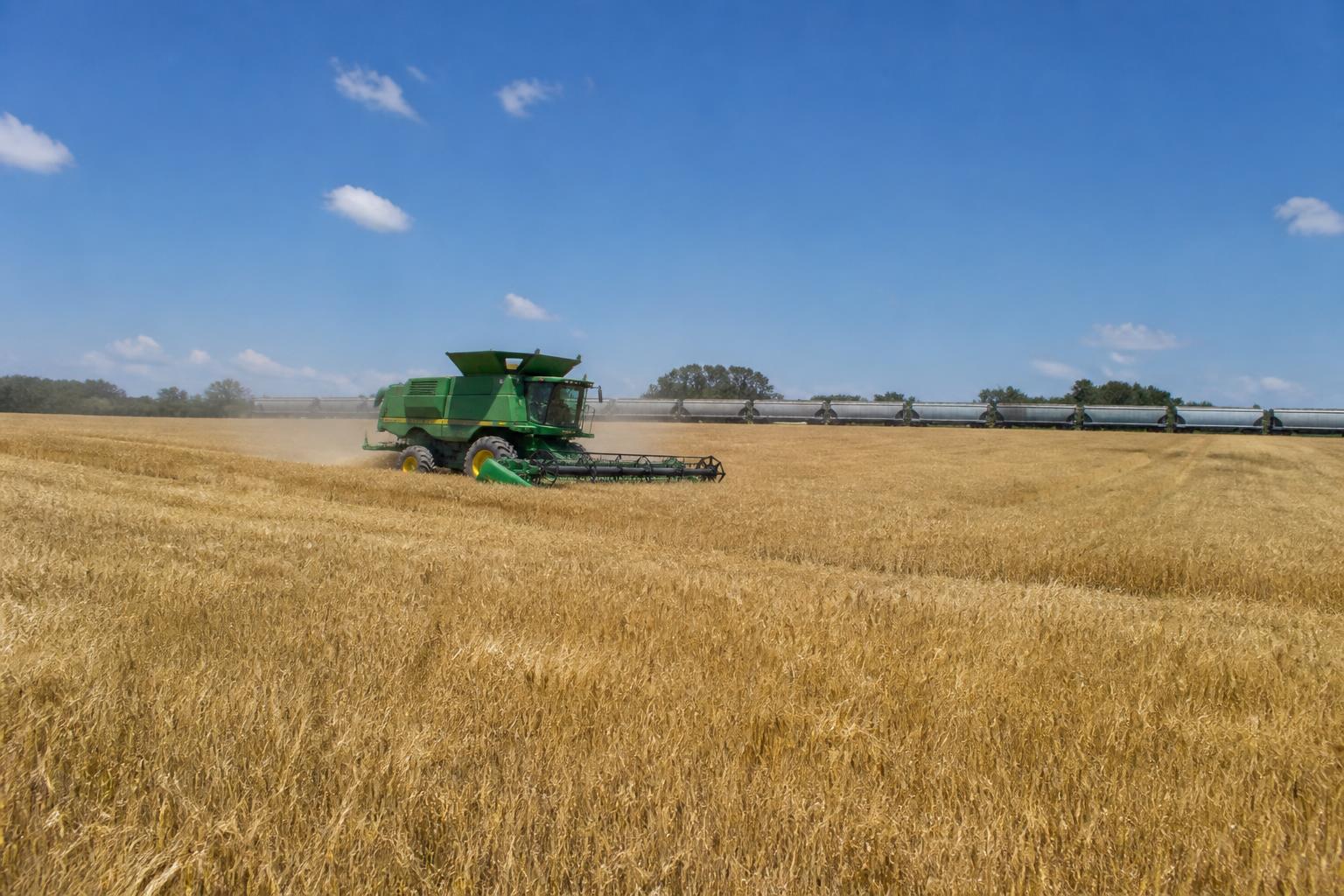
As the summer harvest season gets underway across the Central Plains, Kansas grain handlers and shippers are navigating a complex landscape of transportation upgrades, legal disputes, and shifting crop volumes. While fresh infrastructure developments aim to streamline the flow of grain to major ports, regional agricultural businesses are simultaneously confronting market volatility and regulatory challenges that could impact margins in the months ahead.
Rail Infrastructure Boosts Export Potential Amid Legal Friction
Recent rail infrastructure upgrades are beginning to improve the efficiency of grain exports out of the Midwest. For Kansas, a state heavily reliant on dependable rail corridors like those passing through major transit hubs in Wichita, Topeka, and Salina, these logistics improvements are critical. Upgraded tracks and expanded terminal capabilities allow for faster loading times and larger shuttle train movements, helping local elevators move inventory to Gulf and Pacific Northwest ports more efficiently.
However, these logistical advancements are met with friction. Kansas farmers and agricultural organizations have taken their concerns to court, actively challenging certain agricultural and transportation fees. This legal pushback highlights a growing tension between the rising cost of doing business and the need for modern shipping infrastructure. Elevated logistics fees can quickly erode the thin margins of local producers, especially during periods of high input costs.
Smaller Wheat Crop Drives Market Fluctuations
The logistics shakeup comes at a time when the physical volume of grain is keeping shippers on their toes. A smaller U.S. wheat crop has continued to fuel swings in the grain markets. With fewer bushels to move in some areas, competition for freight capacity remains highly variable. Elevators must carefully coordinate with shortline and Class I railroads to ensure cars are positioned precisely when and where they are needed to avoid costly demurrage fees.
Understanding these volume shifts is vital for local operations. For instance, staying informed on Kansas wheat and sorghum market dynamics can help grain buyers plan their transportation needs well in advance. Navigating these broader grain market shifts in Kansas during the hot summer months requires a flexible approach to bulk logistics, particularly as harvest progress varies by county.
Policy Debates and Global Export Challenges
Beyond the tracks, national agricultural leaders are visiting the state to address pressing policy concerns. Recent discussions led by agricultural organizations emphasize the challenges Kansas farmers face, ranging from domestic farm policy negotiations to international trade barriers. Trade tariffs and changing global export demands continue to threaten long-term market access for American grains, making efficient domestic transport systems even more critical to maintaining a competitive edge on the world stage.
Key Takeaways for Kansas Agribusinesses:
- Monitor Rail Scheduling: Take advantage of upgraded rail capacities, but stay close to logistics providers to manage localized car shortages or scheduling shifts.
- Watch Legal Developments: Track ongoing court challenges regarding agricultural fees, as the outcomes could directly impact regional shipping costs.
- Stay Flexible on Freight: Given the smaller wheat crop and resulting market swings, secure transportation commitments early to hedge against sudden freight rate changes.
What it means for the market
For the Kansas agricultural market, the combination of rail upgrades and legal disputes over fee structures indicates a industry in transition. While improved export infrastructure offers a brighter outlook for long-term grain movement, immediate cost pressures and crop size uncertainties will require grain handlers, carriers, and growers to remain highly collaborative. Managing freight logistics efficiently this summer will be the key to capturing value in a highly sensitive market environment.
Comments
No comments yet — be the first to share your take.