
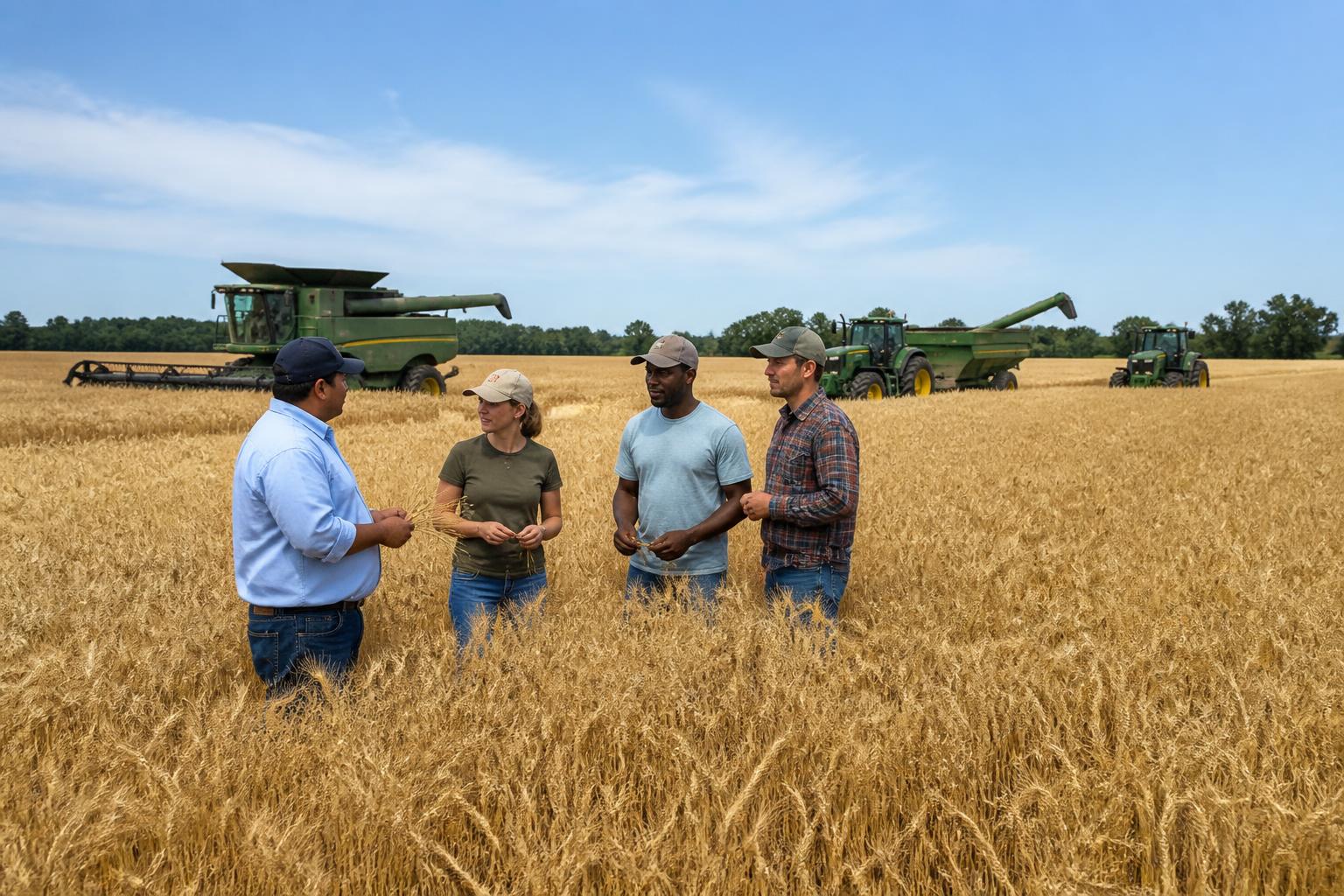
As summer heat intensifies across the Hoosier State, Indiana farmers are navigating a complex crop protection landscape. Balancing aggressive weed pressures, insect threats, and tight operating margins requires a highly tactical approach. From the fields along the I-65 corridor to the flat plains of northern Indiana, crop protection decisions are being scrutinized under a microscope as growers work to secure profitable yields in a high-cost environment.
Local logistics and corporate alignments are also shifting. Agrochemical infrastructure and regional chemical supply lines are directly affected by administrative reorganizations within the agroscience sector, making localized knowledge crucial for retail and commercial applicators alike.
Corteva Reorganization Keeps Headquarters in Indianapolis
In a major corporate update that impacts the local agricultural economy and technology ecosystem, Corteva Agriscience announced that the headquarters for its primary post-separation company, referred to as "New Corteva," will remain in Indianapolis. Meanwhile, Vylor, its planned spin-off company, will establish its headquarters in Iowa.
For Indiana, keeping this major crop protection developer anchored in Indianapolis ensures that the state remains at the center of agroscience research, development, and supply-chain logistics. This stability provides a solid foundation for regional retail networks and chemical distributors, especially as Indiana's growing corn and soybean market continues to attract substantial national and international attention.
Navigating the Regulatory Horizon: EPA's Proposed Dicamba Rules
Weed control remains a central challenge during the summer months, particularly with resistant waterhemp and giant ragweed posing problems across the state. The Environmental Protection Agency (EPA) has proposed new regulations for dicamba use on soybeans and cotton. These proposed guidelines are designed to manage drift risks but may restrict application windows and require stricter buffer zones.
For Indiana growers, these looming regulatory changes require careful planning. Chemical applicators must stay up-to-date with both federal label updates and state-level restrictions. To optimize seasonal pest control alongside these shifting herbicide frameworks, growers are reviewing updated Indiana crop protection summer strategies to balance multi-pest management, drift control, and storage upgrades.
Protecting Yields to Defend Breakeven Margins
With commodity prices presenting tight margins this season, crop protection is no longer just about clean fields; it is a critical tool for financial survival. University agricultural economists emphasize that identifying precise breakeven prices is essential for making in-season crop decisions. Applying fungicides or late-season insecticides must be backed by clear economic thresholds.
Protecting every single bushel is vital, particularly given the high cost of production. When operating and land costs are elevated, as detailed in recent reviews of Indiana's farmland market, maximizing yield-per-acre through disciplined, well-timed applications remains the primary method for maintaining positive net farm income.
Key Takeaways for Indiana Growers
- Corporate Anchor: Corteva's decision to maintain its headquarters in Indianapolis ensures Indiana remains a key center for crop protection innovation.
- EPA Rules on Dicamba: Proposed federal restrictions require growers to prepare for narrower spraying windows and increased compliance documentation.
- Margin Protection: With tight operating margins, every crop protection application should be calculated against realistic breakeven price targets to justify the input cost.
What it means for the market
The combination of regulatory shifts and narrow financial margins means Indiana's agribusinesses and farmers cannot afford a trial-and-error approach to crop protection this summer. Success will depend on precise timing, strict adherence to drift-mitigation protocols, and a close eye on input costs. Keeping chemical applications aligned with shifting EPA standards while defending the yield potential of every acre will be the defining factor for farm profitability as the season moves toward harvest.
Comments
No comments yet — be the first to share your take.