
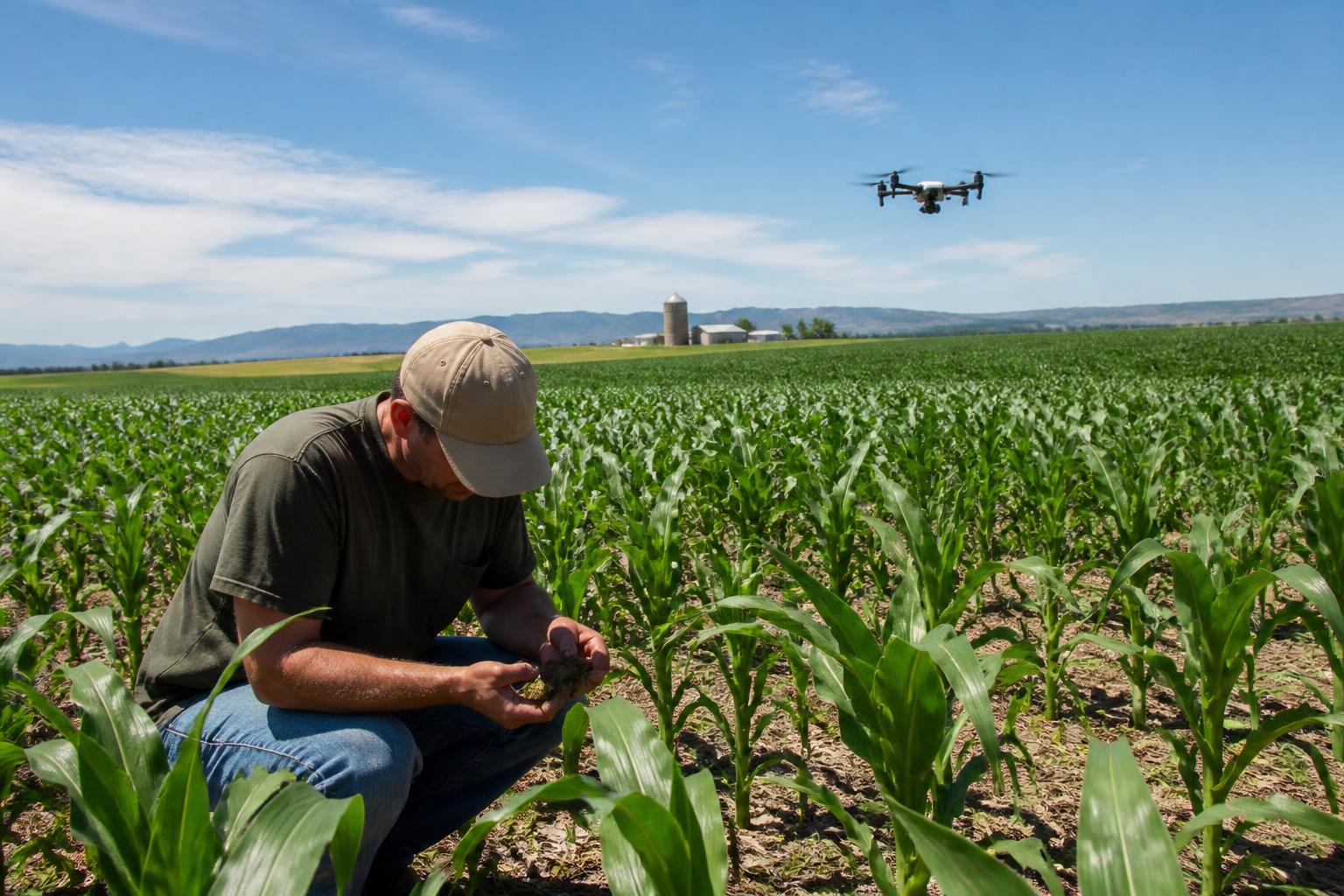
As Idaho farmers navigate the peak of the summer heat, field management efforts are increasingly focusing on the dual priorities of crop defense and long-term soil health. Protecting precious agricultural lands in key regions like the Magic Valley and eastern potato-growing counties requires a comprehensive approach, combining advanced pest research with aggressive conservation practices.
Soil Health and Climate-Smart Initiatives
Adopting sustainable soil management is transitioning from a niche practice to a foundational strategy for Idaho growers. Producers who have committed to nearly a decade of continuous no-till farming are reporting notable improvements in soil structure and water retention, which are vital assets during dry summer spells. These individual efforts are gaining broader institutional support as the University of Idaho moves to incentivize local producers to adopt climate-smart agricultural practices.
Financial and technical incentives designed to reward conservation tillage, cover cropping, and efficient nutrient use help lower the entry barrier for growers looking to protect their acreage. These initiatives align closely with ongoing crop protection and biotechnology trends that optimize input efficiency and defend plant health against seasonal pressures.
Environmental Protection and Input Infrastructure
Crop protection is not solely about pest mitigation; it also involves securing the local supply chain and protecting nearby watersheds. In a major environmental cleanup effort, agribusiness giant J.R. Simplot has agreed to address and remediate hazardous waste runoff at its Idaho phosphate production plant. This move is critical for maintaining regional compliance and ensuring that phosphate-based fertilizer production, a key resource for Western crop nutrition, remains ecologically sustainable.
By resolving runoff issues, manufacturers can secure long-term operational viability while protecting local water resources that downstream farms rely on for summer irrigation.
Managing Pest Pressures and Shifting Acreage
With potato plantings down across the state this season, maximizing the yield and quality of every acre is paramount. The University of Idaho's Department of Entomology, Plant Pathology, and Nematology remains at the forefront of this effort, providing critical research on emerging insect vectors, soil-borne fungi, and nematode management. These biological and environmental threats can easily compromise potato skin quality and overall yield if left unmonitored during the hot summer months.
Key Takeaways for Idaho Growers
- Conservation Incentives: University programs are actively offering support to ease the financial transition to climate-smart farming methods.
- No-Till Viability: Long-term local trials show that continuous no-till practices significantly bolster soil resiliency in arid growing regions.
- Environmental Compliance: Major industrial remediation projects, such as Simplot's runoff mitigation, are essential to secure the future of regional fertilizer manufacturing.
What it means for the market
For Idaho agribusinesses, the intersection of regulatory compliance, academic support, and financial incentives for soil conservation represents a shifting operating environment. Integrating proactive pest management with certified climate-smart practices is no longer just a regulatory box to check, but a practical way to manage input costs, build resilient soils, and protect high-value potato and grain yields against increasingly unpredictable summer conditions.
Comments
No comments yet - be the first to share your take.