
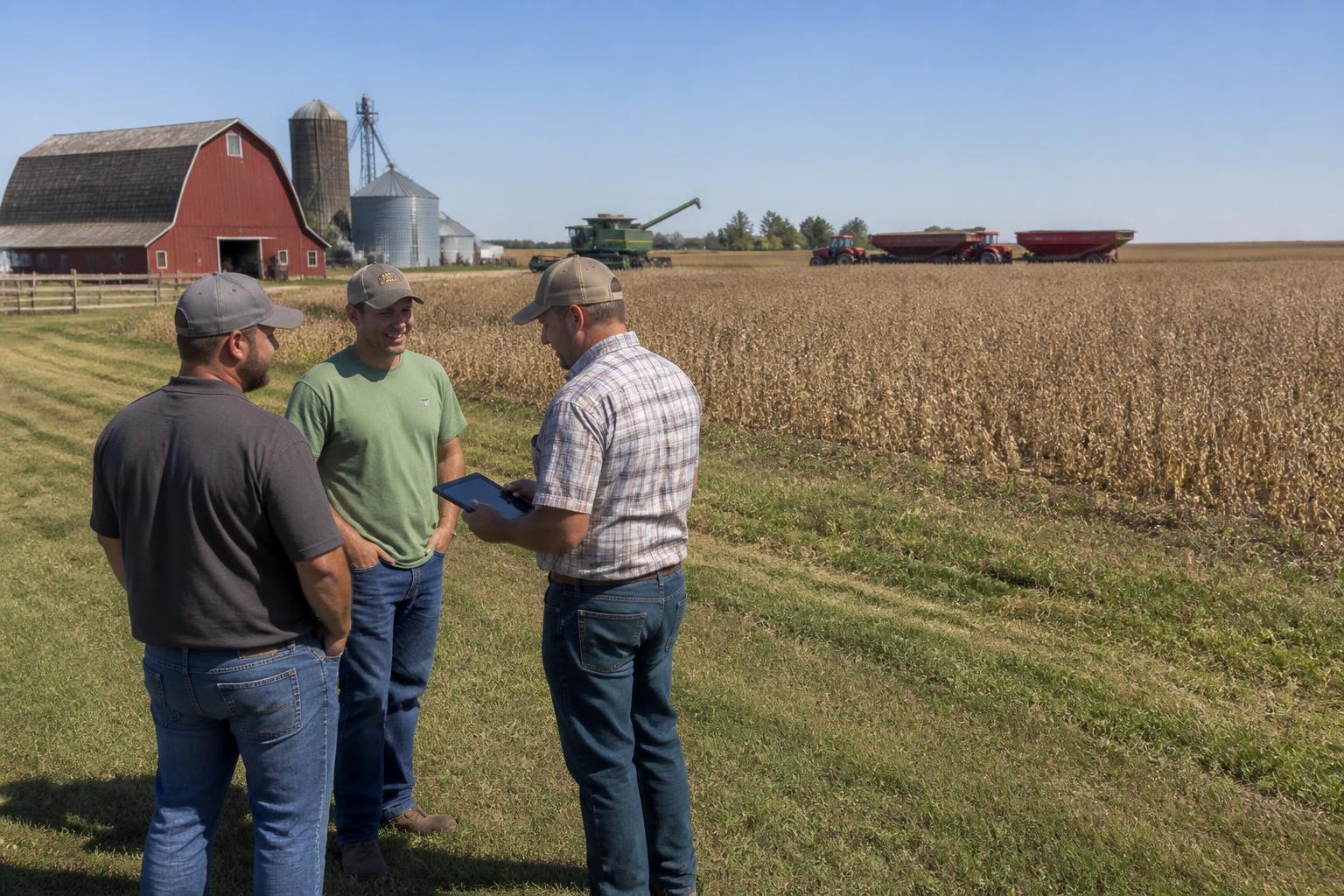
With the calendar turning to September, Nebraska farmers are shifting their focus toward the fall harvest. As machinery begins to move through rural corridors and elevator activity picks up, producers are closely monitoring both local logistics and the shifting state of the broader agricultural supply chain.
Efficient movement of grain remains a critical factor for profitability during this high-volume window. While some regions may experience temporary bottlenecks near local transit hubs or regional ports, maintaining a clear line of communication with local elevator operators and transport partners is often the best strategy to mitigate potential Nebraska harvest logistics challenges. Managing capacity effectively ahead of peak delivery periods can help ease the stress on regional infrastructure.
Market Dynamics and Industry Shifts
Beyond the immediate logistics of the harvest, Nebraska agribusinesses are operating within a period of structural change. Recent reports from across the industry highlight the consolidation of some facilities and a general need for operational agility. For growers and stakeholders, this means staying informed about local storage and intake capacity is more important than ever. Fluctuations in grain bids and shifts in downstream processing demand require a proactive approach to marketing.
Trade and Economic Outlook
Export markets continue to be a pillar of the Nebraska agricultural economy, with ongoing trade missions and state-level advocacy emphasizing the importance of international partnerships. These efforts aim to stabilize demand for Nebraska-grown commodities as the new crop enters the supply chain. At the same time, regional land values and input considerations remain central topics of discussion, with producers weighing long-term investments against the immediate requirements of the current season.
What it means for the market: Growers should prioritize early coordination with grain handlers to secure space and logistics slots. As we move deeper into the fall, expect transport volatility to correlate with localized weather events and regional supply surges. By focusing on site-specific planning, Nebraska agribusinesses can better navigate the complexities of this year’s harvest.
Comments
No comments yet - be the first to share your take.