
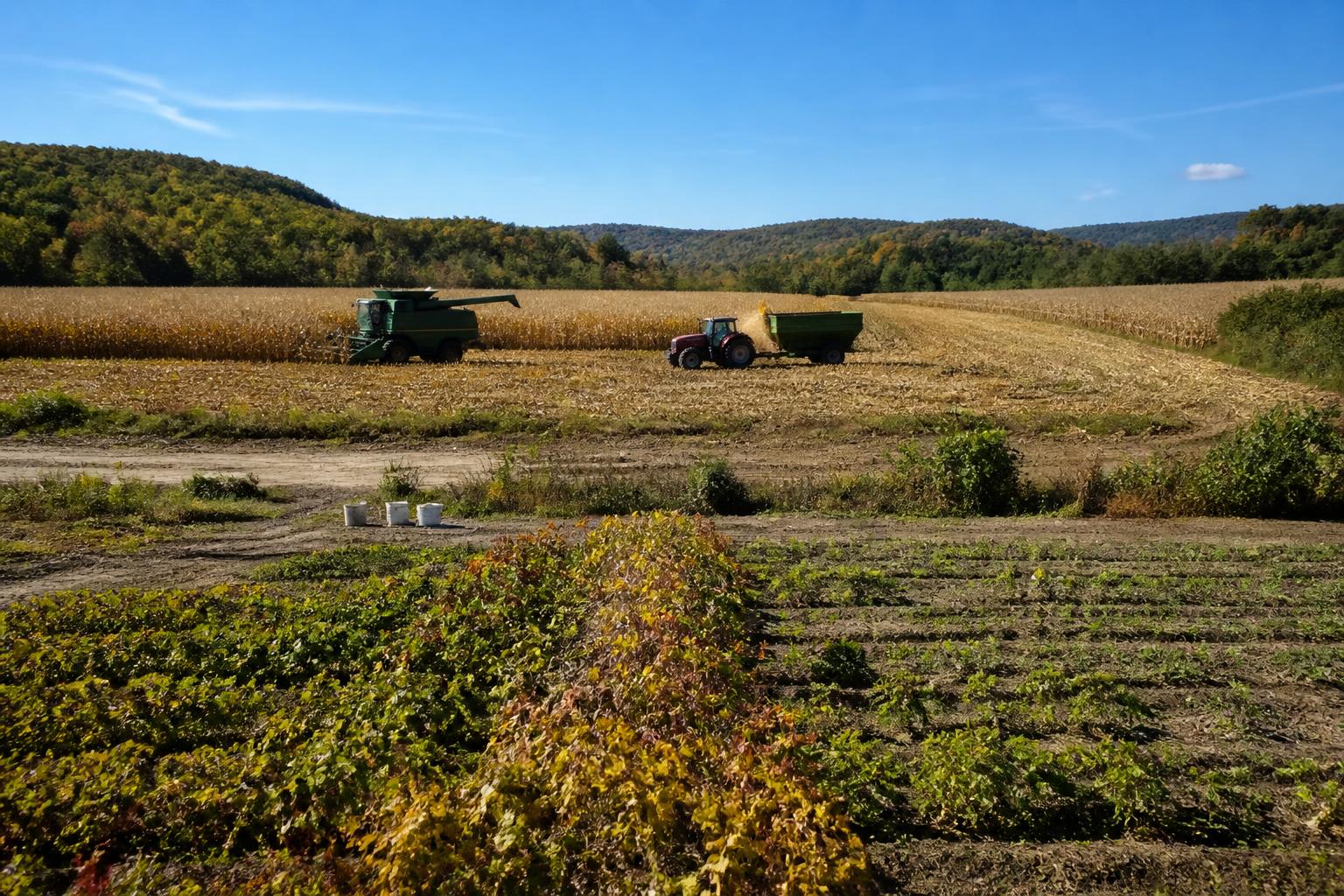
As the fall harvest season gathers momentum across Wisconsin, producers and agribusinesses are shifting their focus to the logistical demands of moving seasonal yields. With the state's diverse agricultural output, including both traditional row crops and specialty harvests like ginseng, the pressure on transportation corridors is becoming increasingly evident as field activity reaches its typical September peak.
Understanding the broader Wisconsin harvest outlook remains vital as stakeholders evaluate how to manage recent fluctuations in crop production estimates. While some sectors grapple with shifting price signals, others are looking toward modernized infrastructure to ensure that grain and specialty commodities reach processing facilities without significant bottlenecks.
Infrastructure and Market Resilience
In many parts of the state, the conversation among grain handlers and logistics providers has turned toward long-term operational efficiency. There is growing interest in how digital tools and improved supply chain visibility can mitigate the traditional stressors of a high-volume harvest. This focus on reliability is especially important for those managing mid-season supply chain pressures that often spill into the fall, requiring clear communication between elevators and transport carriers to keep the flow steady.
Furthermore, as rural stakeholders monitor policy developments and market trends, the importance of maintaining stable access to credit and support services cannot be overstated. Consistent operations rely heavily on the ability to anticipate and adapt to changing conditions, whether they are driven by market volatility or the logistical realities inherent in large-scale crop movement across the Midwest.
What it means for the market
For Wisconsin farmers and agribusinesses, the primary takeaway is that proactive preparation remains the best defense against seasonal disruptions. As harvest progresses, keeping a close eye on regional transportation capacity and utilizing available data-driven insights will be key to managing the flow of commodities and protecting margins in a dynamic pricing environment.
Comments
No comments yet - be the first to share your take.