
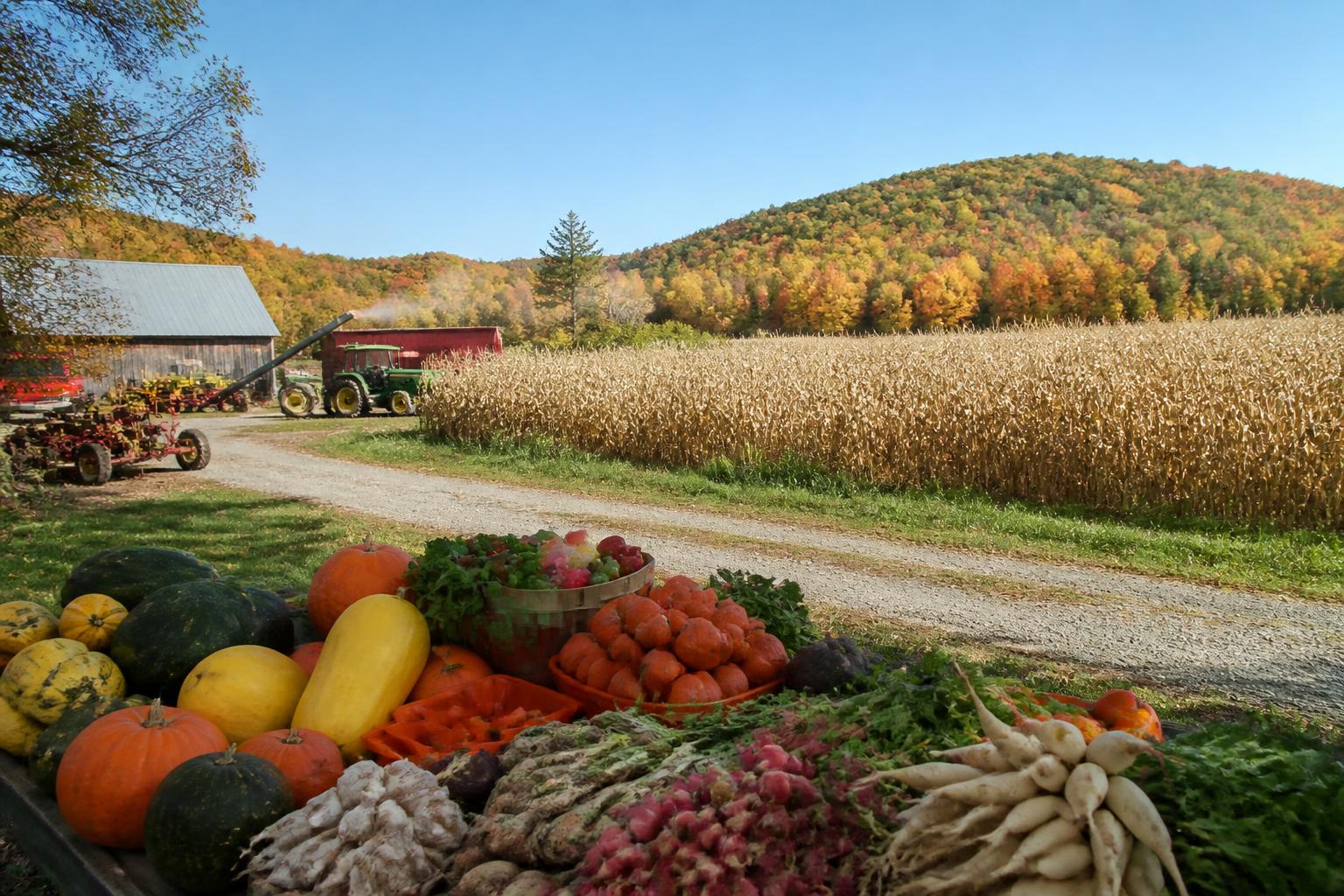
As we transition into the heart of the fall season, New Hampshire grain producers are balancing the demands of harvest logistics with an increasingly complex regulatory landscape. For those managing grain operations across the state, from the productive valleys to more remote corners, the focus remains on balancing operational efficiency with compliance in an era of heightened conservation scrutiny.
Recent discussions surrounding state-level pesticide rule updates and the ongoing expansion of conservation easements highlight the need for careful long-term planning. Whether you are managing grain procurement or navigating the complexities of storage, staying ahead of land-use changes is essential for maintaining a resilient bottom line.
Adapting to Regulatory and Land-Use Evolution
In many parts of the state, agricultural land-use is being reshaped by new conservation initiatives, such as the significant easements recently established in areas like Dunbarton. While these efforts are vital for environmental health, they often necessitate a shift in how grain handlers and farmers approach site management. Producers are encouraged to evaluate their current land-management plans to ensure they align with the latest regional sustainability standards, which often impact long-term operational costs.
Technical Precision in Marketing
The fall market presents unique challenges for grain handlers who must weigh storage costs against local supply and demand fluctuations. Technical planning remains a cornerstone for success; grain handlers in New Hampshire often find that diversifying their marketing strategies can buffer against the volatility typical of this time of year. As outlined in our coverage on maintaining operational resilience, identifying local bottlenecks in transport and storage before the winter freeze is a critical step for all market participants.
What it means for the market
For New Hampshire agribusinesses, the message is clear: proactive compliance and technical planning are the best defenses against market uncertainty. As the season progresses, farmers and elevators that prioritize transparency in land use and maintain tight logistics chains will be better positioned to navigate the intersection of environmental policy and market profitability.
Comments
No comments yet - be the first to share your take.