
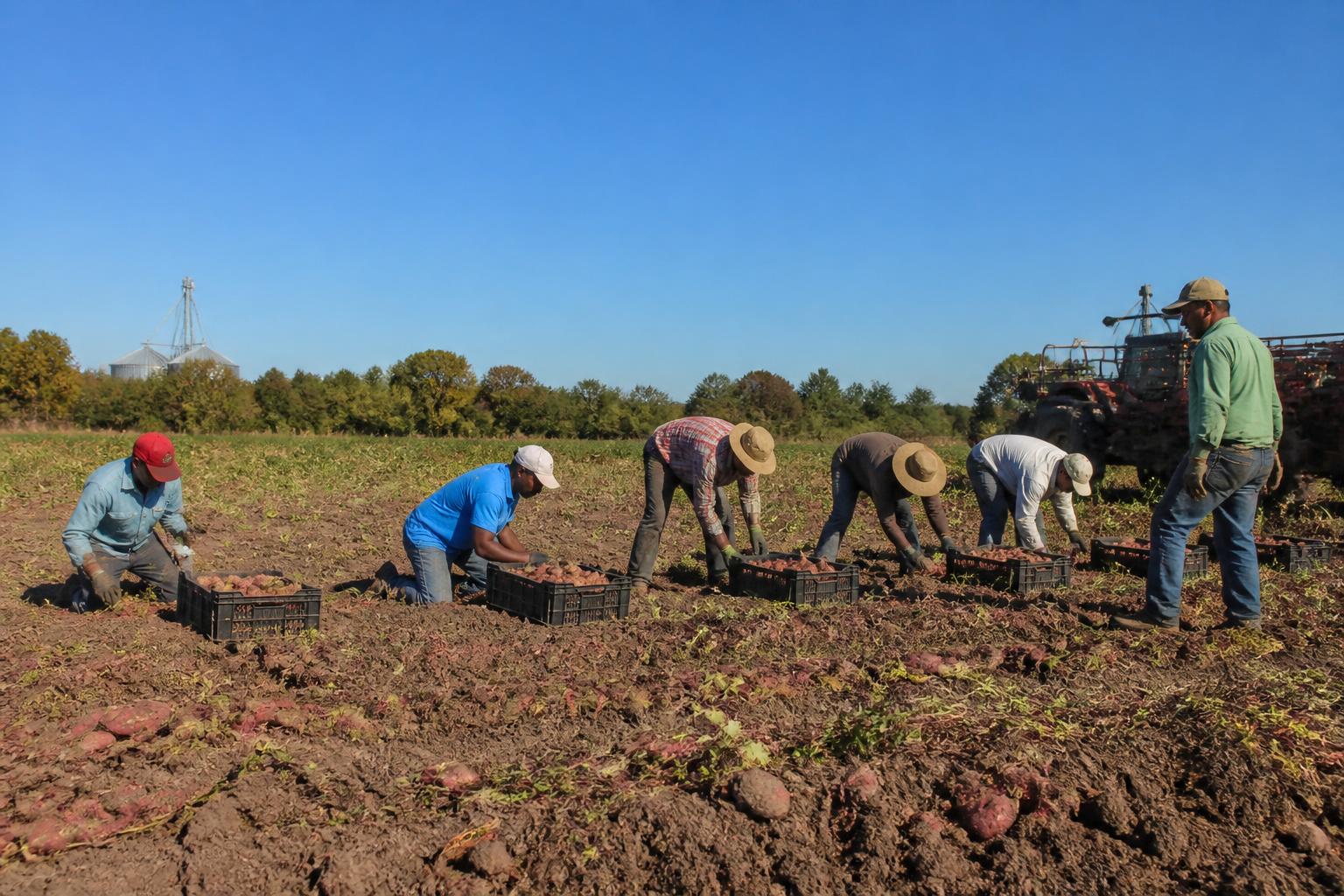
The Louisiana agricultural landscape is shifting as we enter the fall harvest window. While producers are gearing up for peak activity, reports indicate that the state's sweet potato harvest has experienced a slower than typical start. This delay is a critical factor for local growers to consider as they manage labor, equipment scheduling, and storage facility readiness across the region.
For grain handlers and trucking firms, the timing of the fall cycle remains a focal point. Maintaining consistent movement from fields to elevators is essential, especially when regional infrastructure is under pressure. Staying informed on regional logistics and handling adjustments can help operators anticipate potential bottlenecks as harvest volumes ramp up across the state's primary corridors.
Harvest and Storage Considerations
Proper management of stored crops remains a top priority. In years past, major weather events have underscored the vulnerability of stored rice and grain inventories. Producers are encouraged to review their storage integrity and logistics planning to protect yields throughout the season. Secure handling protocols and timely transport to downstream export facilities continue to be the backbone of maintaining market access for Louisiana farmers.
Environmental and Regulatory Awareness
Beyond the harvest, environmental stewardship remains a critical aspect of Louisiana's agricultural operations. Regulatory agencies have highlighted the importance of controlling the movement of invasive species, such as roseau cane, and are requesting that duck hunters and land operators take precautions during the fall months to prevent further spread. Adhering to these guidelines helps preserve the ecological balance of the regions where farming and wildlife management intersect.
What it means for the market
The current combination of a late-starting sweet potato harvest and the steady need for efficient grain movement suggests that logistics will be tight throughout the fall. Agribusinesses should prepare for potential delays in local transport and ensure that communication with storage facilities is proactive. Monitoring local weather patterns and regional infrastructure updates will be essential for navigating the remainder of the season profitably.
Comments
No comments yet - be the first to share your take.