
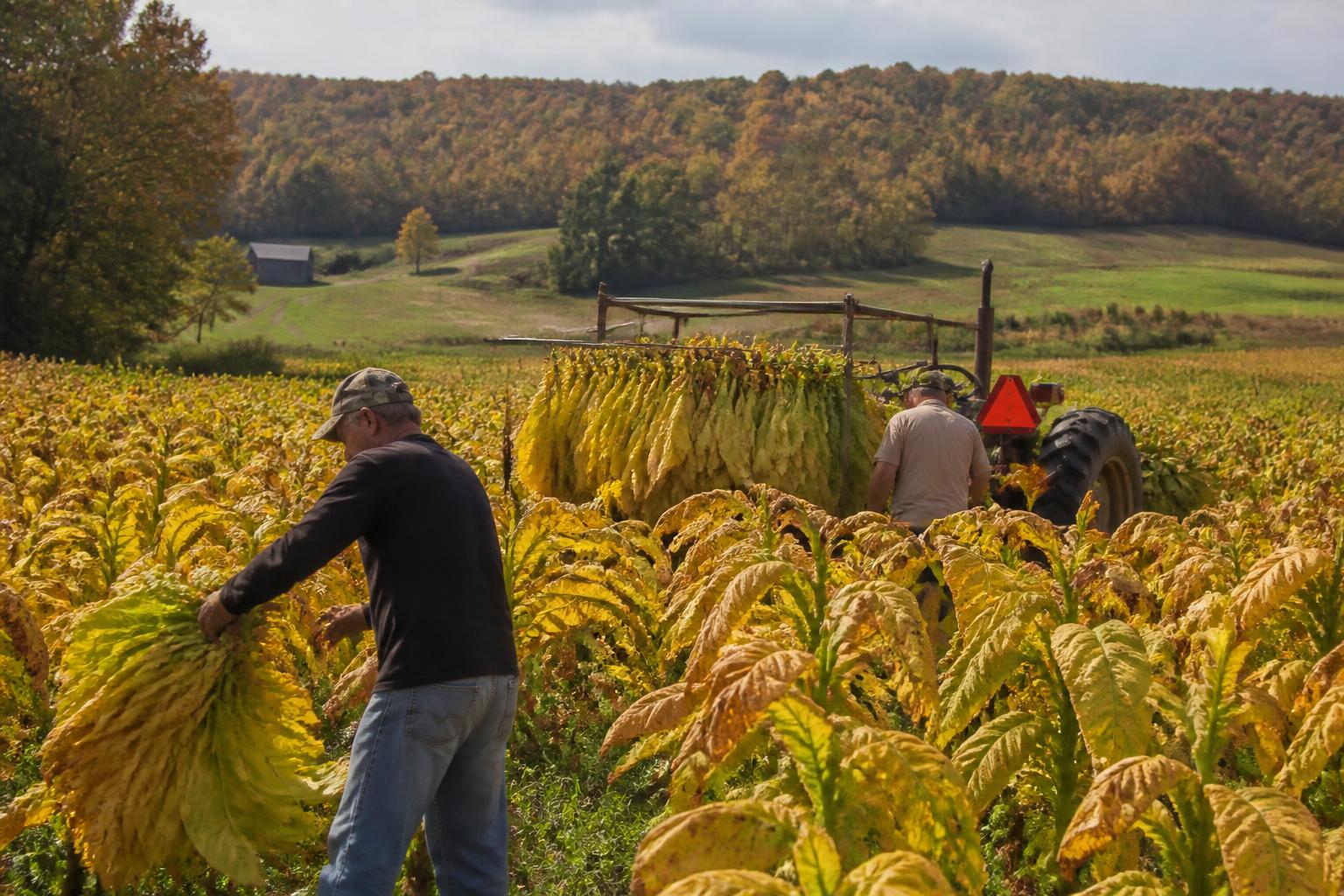
As the fall harvest season reaches its peak across North Carolina, regional logistics continue to be a primary focus for growers and grain handlers. With producers managing the movement of commodities from field to storage or processing facilities, the efficiency of the local supply chain is paramount. Maintaining a steady pace of harvest often requires tight coordination between on-farm storage solutions and regional transportation networks, especially as producers balance storage strategy with rapid throughput demands.
Infrastructure remains a variable factor for many rural operations. Recent adjustments to regional infrastructure plans, such as the removal of specific bypass projects from long-term county road developments, suggest that transporters may need to continue navigating existing traffic patterns and weight-restricted rural corridors. In many agricultural regions of the state, these logistics bottlenecks can influence how quickly grain flows to elevators during high-volume periods.
Managing Seasonal Throughput and Input Flow
Beyond the immediate transport of harvested crops, the broader agrologistics landscape in North Carolina is being shaped by ongoing efforts to improve operational resilience. Farmers are frequently evaluating their harvest logistics in the context of fluctuating input costs and the need to protect crop quality. Ensuring that grain is managed appropriately from the moment it leaves the combine is a recurring priority, particularly when environmental factors impact moisture levels or storage integrity.
Furthermore, the state continues to see an emphasis on connecting research and technology to the farm gate. As new ag-tech corridors and programs for business management gain traction, growers have more resources than ever to optimize their logistics. For those looking to streamline their supply chain, optimizing harvest flow remains the most effective way to protect margins during the busy autumn window.
What it means for the market
For agribusinesses and carriers, the remainder of the season will likely hinge on the ability to remain flexible in the face of infrastructure constraints and volatile harvest conditions. Producers who have secured reliable hauling capacity and have clear visibility on storage availability are better positioned to manage the pressures of a compressed harvest cycle. Staying proactive with maintenance and logistics planning will be essential as the industry closes out the fall season.
Comments
No comments yet - be the first to share your take.