
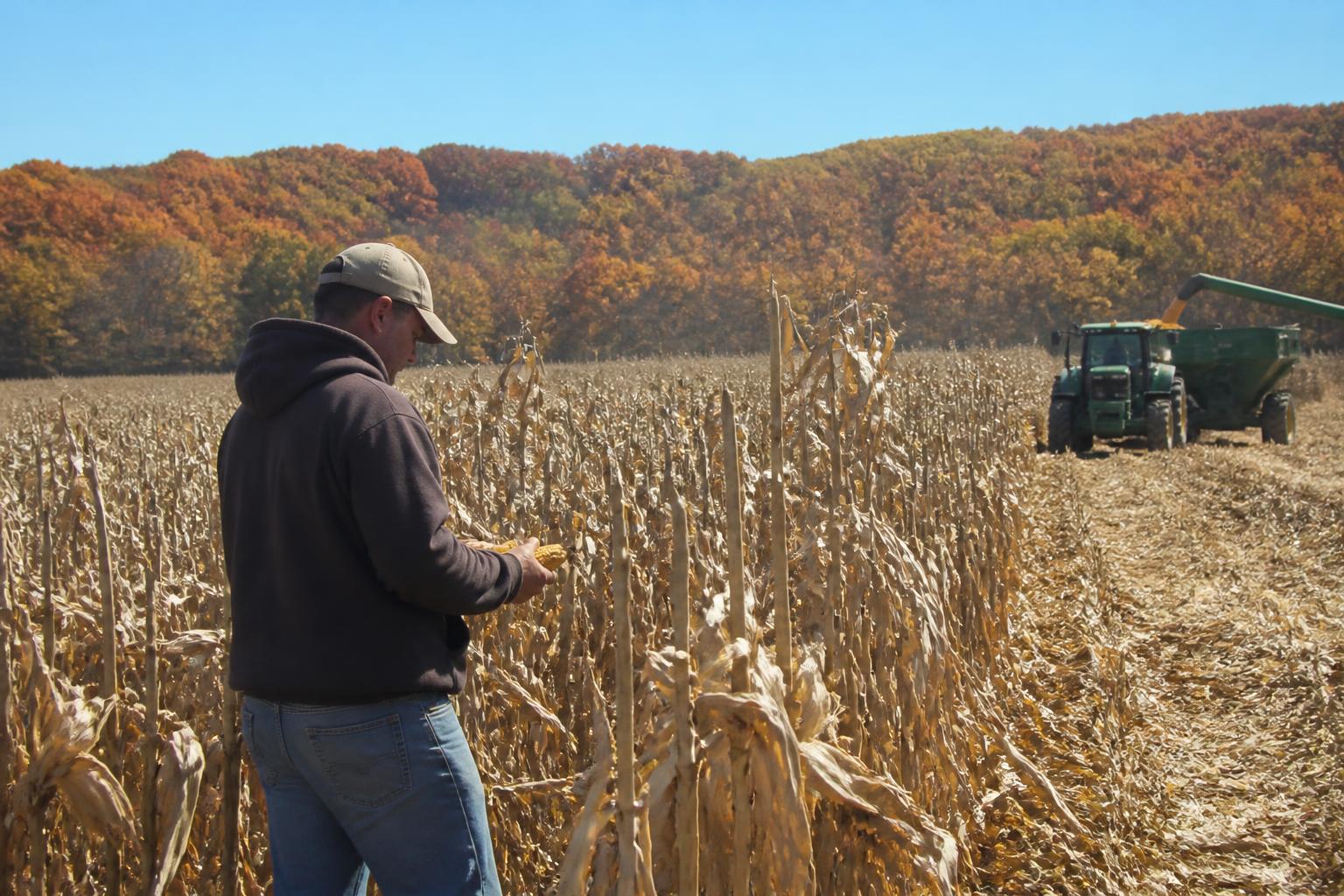
As the fall harvest season reaches a critical window in Ohio, farmers are balancing the need for efficient field operations with the challenges of fluctuating conditions. While northern regions of the state have generally reported favorable progress, growers in southern counties continue to manage moisture-related hurdles that can influence both field access and crop quality. Maintaining equipment readiness and monitoring field conditions remains a top priority for operators navigating this year’s unique harvest environment.
Efficient grain logistics and storage management remain essential as producers work to mitigate potential losses from late-season weather events. For those considering long-term storage or awaiting improved delivery windows, understanding current regional bottlenecks and infrastructure capacity is increasingly important to protect thin margins during the busy harvest rush.
Managing Fertility and Input Costs
Beyond the immediate field work, many agribusinesses are looking ahead to the next production cycle. The use of data-driven tools, such as nitrogen optimization calculators, is becoming a standard practice for many who are aiming to improve application precision and control overhead. With the volatility observed in earlier quarters, making informed input cost decisions is vital for maintaining fiscal resilience throughout the winter months.
As producers wrap up this year's harvest, they are encouraged to review their 4R nutrient stewardship plans to ensure that any late-fall field activities align with soil health goals. Integrating these strategies early can help stabilize variable costs and set the stage for more efficient planting next spring.
Focusing on Operational Efficiency
Logistics extend beyond the field edge, particularly with ongoing discussions regarding the reliability of regional rail and trucking networks. Strengthening operational risk management—from securing reliable transport for grain deliveries to protecting farm property—remains a cornerstone of a successful harvest season. Keeping communication lines open with local elevators and transport partners can often provide the flexibility needed when weather-driven delays occur.
What it means for the market: For Ohio growers and stakeholders, the current focus is squarely on preserving crop quality and managing the transition into the post-harvest planning phase. As export demand continues to evolve, maintaining high product standards and disciplined inventory management will be key to capitalizing on market opportunities throughout the coming quarter.
Comments
No comments yet - be the first to share your take.