
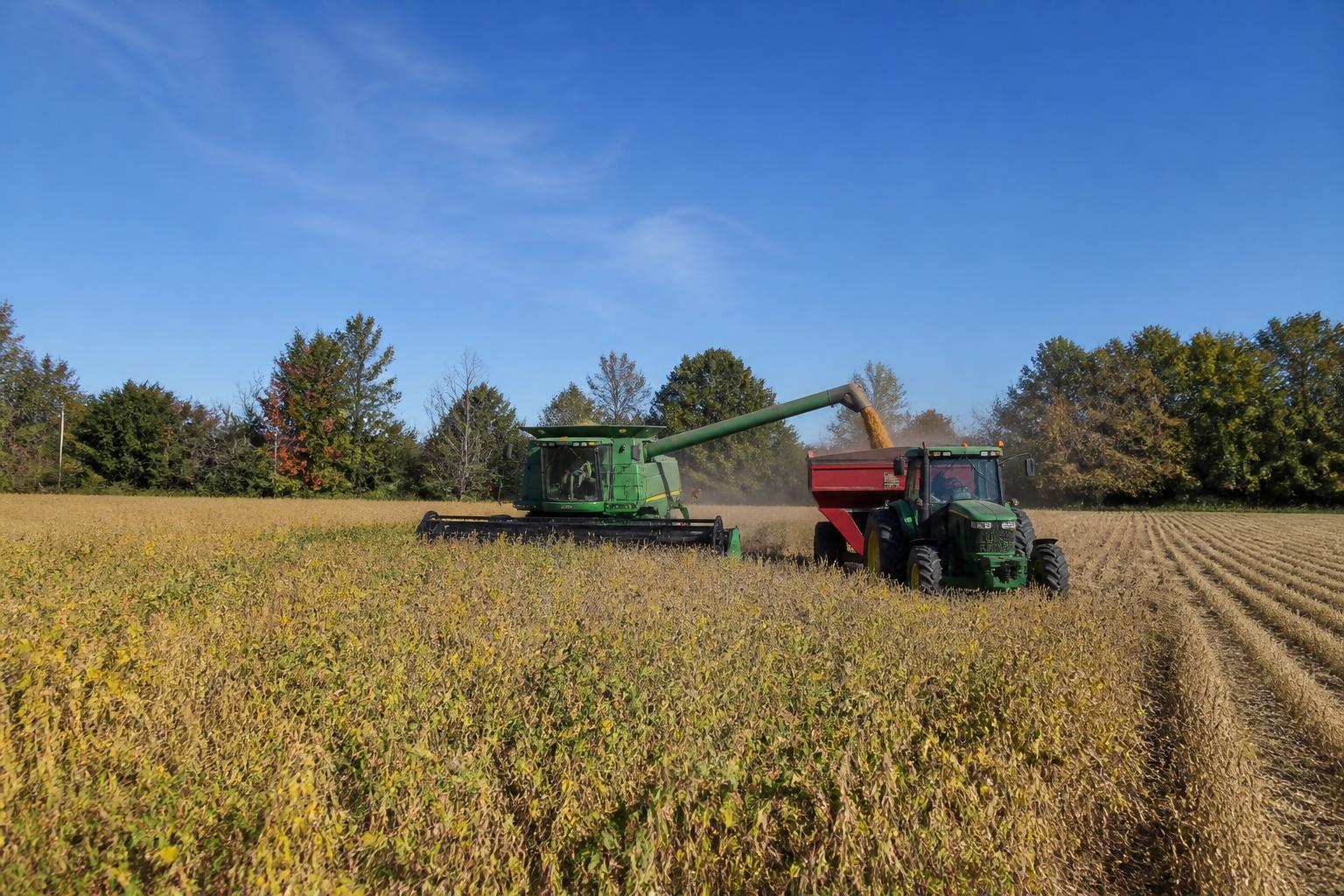
As Indiana producers begin to shift focus toward the fall harvest, the agricultural landscape remains defined by significant variability. Recent observations from across the state suggest that while some fields are nearing maturity, others continue to deal with the lingering effects of uneven moisture levels from earlier in the season. For grain handlers and transport providers, this variability often creates a staggered demand for local storage and hauling services, requiring careful communication between the field and the elevator.
Understanding the current state of crop development is essential for those managing inventory flow. Staying updated on regional strategies for managing harvest volatility can help mitigate potential bottlenecks at intake points. As harvest intensity increases, farmers who prioritize clear logistics planning are often better positioned to navigate the challenges posed by localized weather impacts.
Logistics and Storage Preparation
With the harvest season in full swing, efficiency at the grain elevator is paramount. Producers are encouraged to maintain close contact with their local grain buyers to coordinate delivery windows, as moisture variances can impact drying schedules and wait times at intake facilities. Those navigating the complexities of the current market-driven logistics landscape often find that early coordination helps avoid the peak congestion that frequently occurs during ideal harvest weather.
Producers should also remain aware of potential infrastructure constraints in their specific counties. As high-tonnage traffic increases on rural roads leading to major terminals, keeping an eye on local road conditions—and any seasonal weight restrictions—is a routine but necessary part of keeping the supply chain moving effectively during this time of year.
What it means for the market
The primary takeaway for Indiana agribusiness is to remain flexible. With crop quality and maturity levels showing inconsistency across regions, the ability to pivot hauling plans and storage utilization is a clear advantage. By prioritizing communication with downstream partners and keeping a close watch on local field moisture reports, stakeholders can maintain steady operations through the fall season.
Comments
No comments yet - be the first to share your take.