
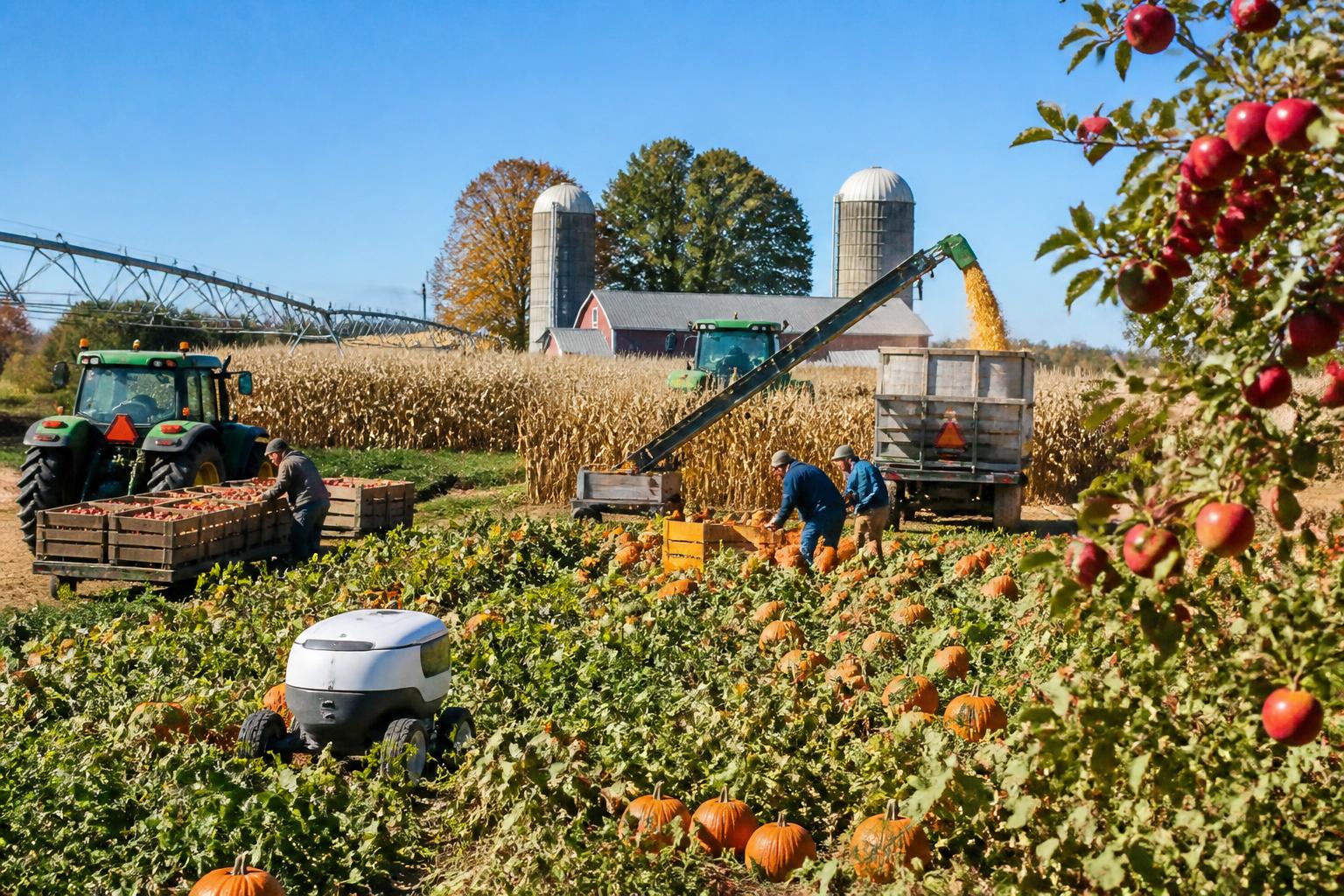
As Massachusetts farmers transition into the fall harvest season, many are keeping a close watch on the global fertilizer market. While the local focus remains on bringing in late-season crops, broader supply chain factors often influence the availability and cost of essential inputs for the coming year. Current market signals suggest that phosphate supplies and potential trade-related fluctuations could warrant a more proactive approach to resource management this season.
With global concerns regarding fertilizer availability occasionally surfacing in international trade reports, regional agribusinesses are monitoring how these trends may influence domestic pricing. For many operators in the Commonwealth, balancing these external pressures with operational efficiency is critical. As noted in our recent analysis on navigating mid-season agribusiness shifts, staying informed on how commodity market volatility affects local procurement can provide a competitive edge.
Global Market Dynamics and Local Impact
The phosphate market continues to see long-term growth projections, driven by rising global demand for increased farm productivity. For Massachusetts growers, these shifts underscore the importance of precision application. While international trade tensions have the potential to disrupt standard supply routes, many producers are turning toward optimized management practices to mitigate these risks. Utilizing efficient irrigation and precise nutrient application strategies can help maintain yield potential even when input markets face uncertainty.
Strategic Planning for the Season Ahead
As fields begin to clear from the summer rush, now is an opportune time for agricultural operations to assess their soil health and plan for the next planting window. Many producers throughout the state are evaluating new technologies and management tools that promise to stretch resources further. From exploring advanced irrigation filtration systems to reconsidering traditional application timelines, the goal remains the same: maximizing ROI while managing input costs in a fluctuating environment.
Key Takeaways for Producers
- Monitor trade developments that may impact input pricing throughout the winter months.
- Consider pre-booking essential nutrients early to safeguard against potential supply tightening.
- Leverage soil testing data to ensure precise application, reducing waste and improving crop response.
What it means for the market: The outlook for the remainder of the year suggests a landscape where data-driven decision-making and early preparation will be paramount. By staying attentive to both global market indicators and local operational needs, Massachusetts agribusinesses can better insulate themselves from volatility while setting a solid foundation for next season's success.
Comments
No comments yet - be the first to share your take.