
Adapting to Evolving Production Landscapes
As the summer season reaches its peak in Massachusetts, regional producers are finding that traditional farming methods are increasingly being complemented by emerging technologies. Innovations such as elevated solar arrays over cranberry bogs demonstrate a significant shift in land-use strategy. These installations, which can be raised several feet to accommodate agricultural equipment, are not merely energy projects but are fundamentally altering the microclimates of the fields beneath them, influencing both fruit development and flavor profiles.
For those managing on-farm storage and input systems, these shifts highlight a broader need for flexibility. Whether it is adapting to new shading patterns or managing crop moisture levels during a variable August, the focus remains on maintaining yield quality while optimizing resource consumption.
Navigating Market Dynamics and Policy
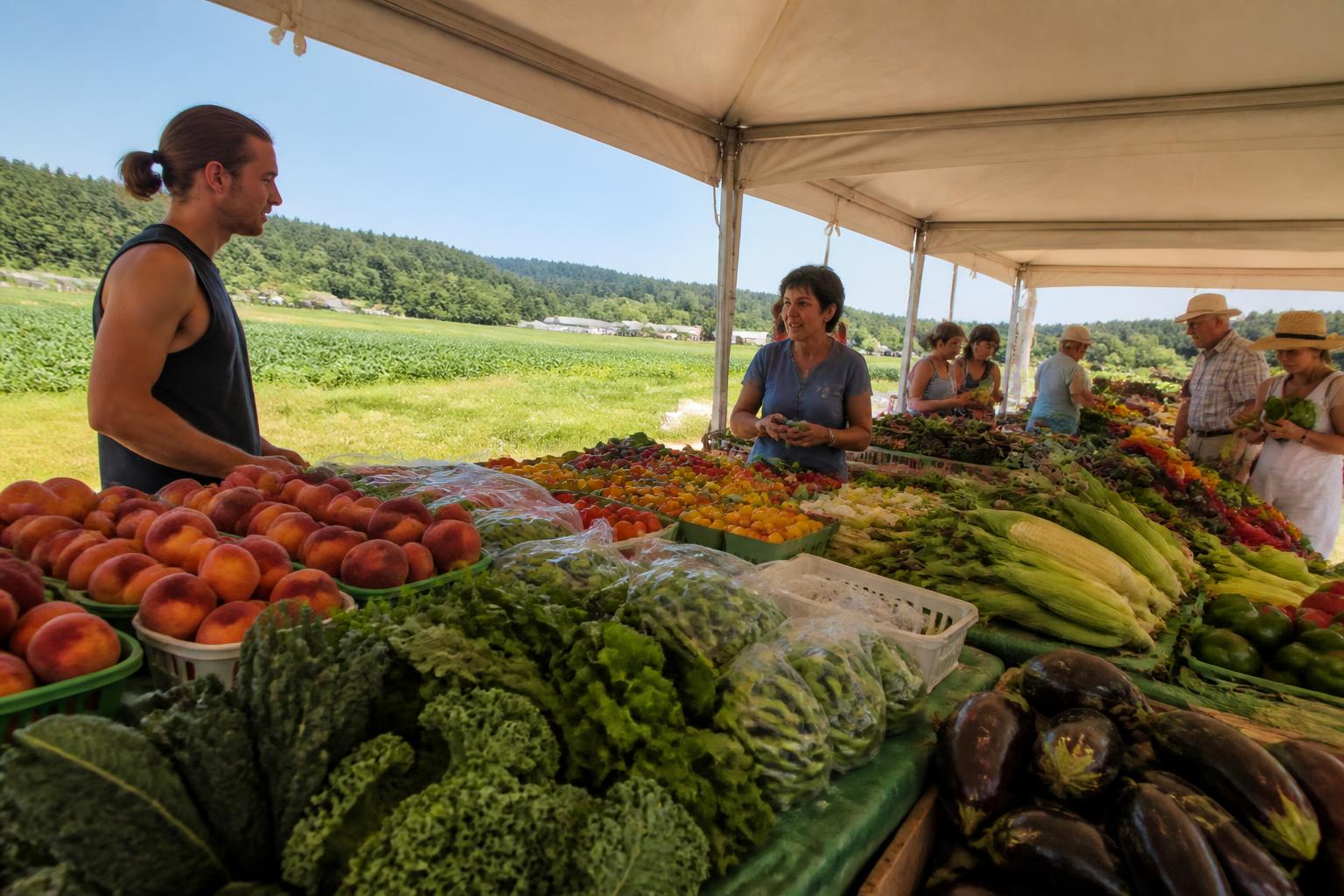
Beyond the field, the policy landscape continues to impact day-to-day operations. Recent discussions among state agricultural stakeholders emphasize that farming is becoming a more prominent fixture in policy debates. This creates both challenges and opportunities for those involved in direct-to-consumer outlets, such as local farm tents and regional produce stands, which often serve as the primary bridge between local growers and the community during this high-traffic harvest month.
Moreover, the ongoing complexity of global agricultural supply chains continues to affect local procurement. Many producers are keeping a close watch on broader input technology and market shifts that can influence everything from equipment maintenance costs to the availability of specialized fertilizers. As the season progresses, maintaining a lean inventory and staying informed on regional procurement trends is essential for preserving margins.
What it means for the market
For Massachusetts agribusinesses, the rest of the season will require a disciplined approach to both technology integration and supply management. By leveraging market insights regarding input costs and remaining adaptable to climate-altering infrastructure, operators can better position themselves to finish the year with stable returns. Success in the coming months will likely depend on how effectively farms can balance their traditional output with the requirements of an increasingly tech-heavy and policy-aware industry.
Comments
No comments yet - be the first to share your take.