
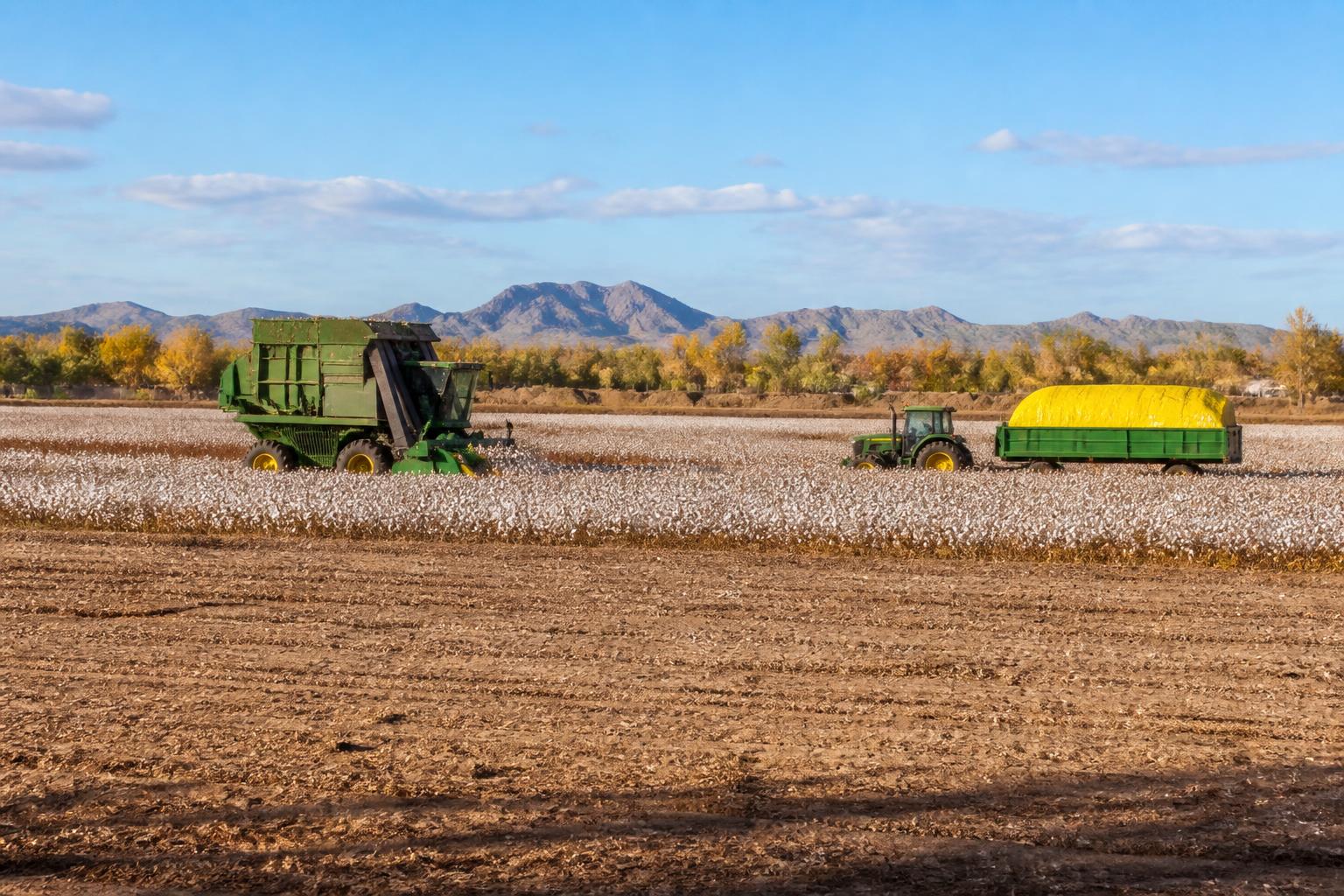
As the fall season takes hold across Arizona, the agricultural sector is shifting gears. For growers and logistics providers, this time of year typically brings a focus on transitioning between crop cycles and managing the movement of regional output toward broader distribution networks. The desert landscape remains a hub for specialized production, with producers often balancing the technical demands of high-tech facilities with the realities of water conservation across the Colorado River Basin.
Efficient management of seasonal harvest windows is critical as produce begins to move through key transport corridors. Whether navigating regional highway infrastructure or coordinating with rail and distribution partners, the ability to maintain a steady flow of commodities remains a priority. This operational rhythm is vital for sustaining the supply chain as Arizona continues to play its role in the national produce market.
Water Stewardship and Operational Efficiency
Resource management remains at the forefront of discussions for many Arizona agribusinesses. With ongoing mandates for water conservation throughout the Colorado River Basin, stakeholders are increasingly focused on both long-term infrastructure health and daily operational efficiency. These efforts often intersect with broader sustainability goals, where private sector partnerships in areas like the Verde River watershed aim to protect essential agricultural water supplies.
For those managing input procurement and grain or produce handling, the impact of regional policy and infrastructure can fluctuate. Producers are encouraged to stay closely aligned with local storage capacity and transport availability to mitigate potential delays that often occur during peak seasonal transitions.
Key Takeaways
- Monitor regional transit times as fall harvest volumes increase, which can impact local logistical capacity.
- Stay informed on ongoing water conservation initiatives, as these impact long-term resource availability for irrigation-heavy operations.
- Evaluate input costs and supply chain stability, as broader market shifts in fertilizer and logistics continue to influence operational margins.
What it means for the market: The current landscape in Arizona highlights the resilience required to manage complex production cycles alongside resource constraints. For carriers, elevators, and growers, success this fall will likely depend on maintaining flexible, proactive supply chain strategies that can adapt to seasonal pressures and shifting regional environmental guidelines.
Comments
No comments yet - be the first to share your take.