
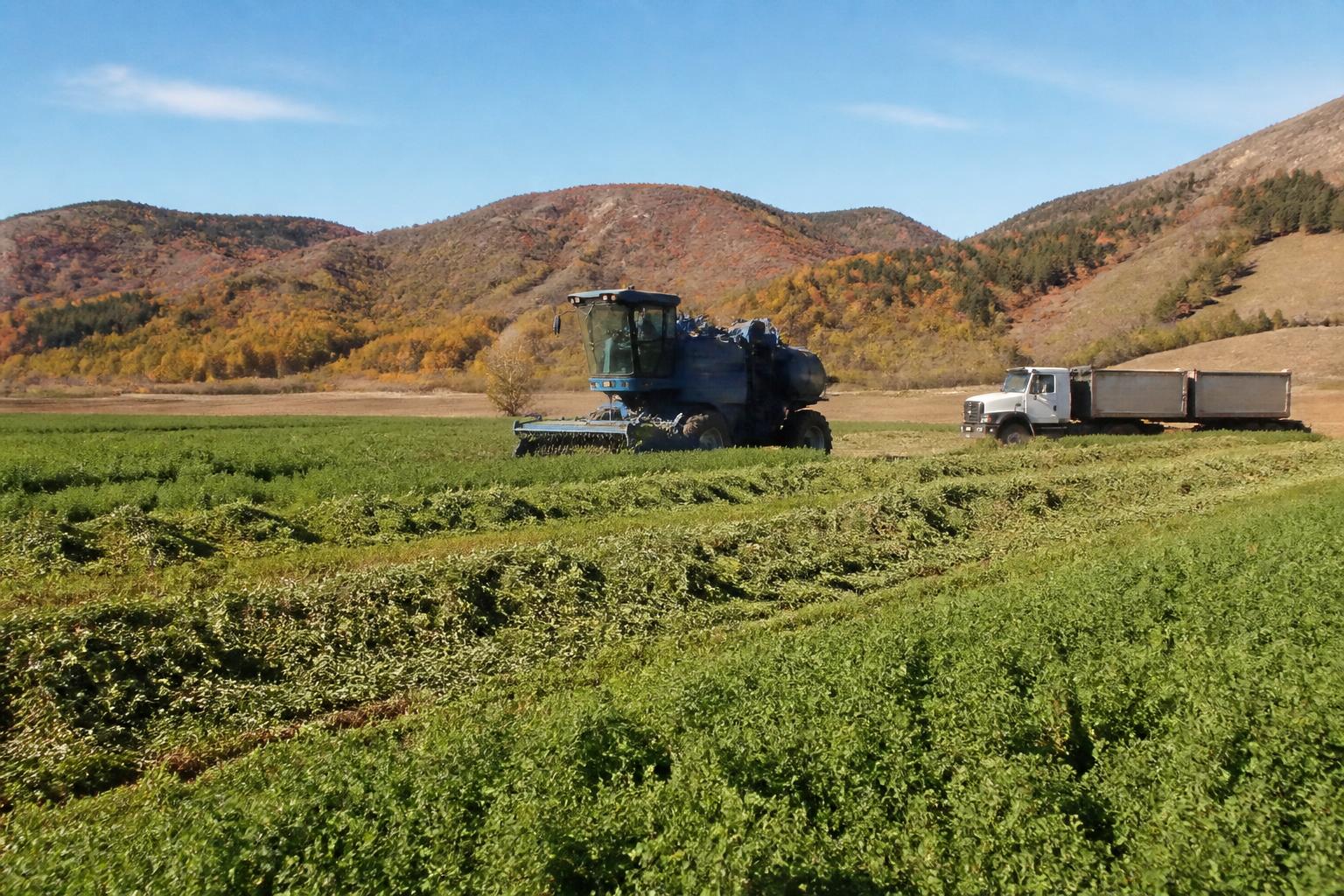
As Arizona transitions into the fall season, agricultural operations across the state are shifting focus toward peak harvest cycles and end-of-year planning. Producers in hubs like Yuma continue to manage ongoing labor and logistics requirements, while the broader industry remains focused on navigating policy-related pressures that impact long-term operational stability. From field-level pest management to large-scale infrastructure projects, stakeholders are balancing immediate productivity needs with the uncertainty of shifting national trade and financial climates.
Resource Management and Infrastructure Developments
Efficient water and land stewardship remains the backbone of the Arizona agricultural sector. Recent legislative interest in rural development funding suggests a continued focus on bolstering the state’s agricultural footprint, though farmers remain cautious about the economic impact of rising input costs. Furthermore, as the logistics and supply chain landscape continues to evolve, operators are paying close attention to how regional projects, including energy-focused developments, may influence local infrastructure availability and utility access in key agricultural corridors.
Market Sentiment and Operational Resilience
Farmers are currently assessing the impact of broader market volatility on their bottom lines. With various sectors, including cotton production, seeing seasonal gains in activity, there is a renewed emphasis on risk management. Industry observers note that the combination of international trade tensions and fluctuating global supply chains requires a more strategic approach to crop marketing and resource allocation. For many, the priority is to maintain yield efficiency while adapting to the evolving regulatory framework being debated at the federal level.
What it means for the market
The current environment suggests that while agricultural productivity in Arizona remains robust, participants should prepare for continued volatility. Keeping a close eye on state-level funding initiatives and federal agricultural policy changes will be essential for managing margins through the remainder of the year. Prioritizing lean operations and securing reliable logistics partnerships in advance of peak transit periods may offer a competitive edge in the coming months.
Comments
No comments yet - be the first to share your take.