
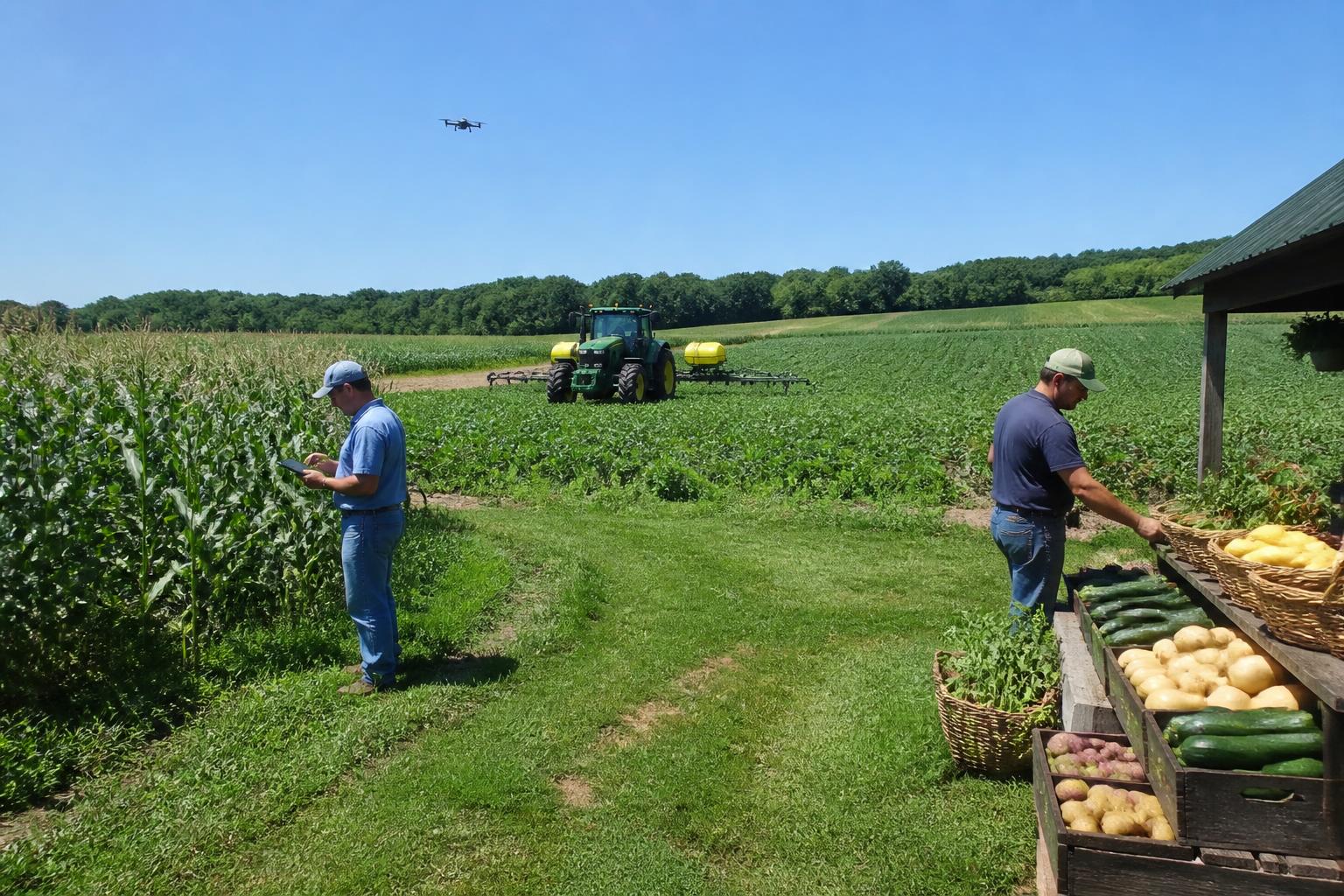
In many parts of the state, from the fertile fields of Hartford County to the rolling pastures of Litchfield County, agricultural operations are highly diversified. This diversification often leaves local growers with fewer protections under traditional federal commodity programs, driving a greater reliance on state-level support systems and innovative direct-to-market strategies.
The Federal Insurance Gap and Local Solutions
Connecticut growers have long pointed out that federal crop insurance programs are designed primarily for large-scale, single-crop operations in the Midwest. For the typical diversified New England farm, standard crop insurance often offers little practical help. With the Farm Bill up for renewal, regional farm advocates are highlighting the critical need for risk-management tools tailored to small-scale and specialty production.
To fill these gaps, the Connecticut Department of Agriculture (DoAg) continues to utilize state-level initiatives, such as the Farm Transition Grant program. These state grants help local producers transition their operations, adopt modern technologies, and diversify their revenue streams, making them less vulnerable to weather extremes and market volatility. For a deeper look at these regional dynamics, see our analysis on navigating present agricultural challenges in Connecticut.
Navigating Summer Feed Logistics and Regional Supply
Because Connecticut relies heavily on imported grain and feed ingredients to support its dairy and poultry sectors, local buyers are highly sensitive to transport costs along the Interstate-91 and Interstate-84 corridors. High freight costs and seasonal logistics challenges often dictate feed prices just as much as national commodity futures.
While larger, major grain-producing states focus on broad commercial harvests as discussed in the Georgia summer grain outlook, Connecticut growers must optimize their local forage and silage production. Minimizing spoilage and maximizing high-quality homegrown feed is the primary way local livestock operations shield themselves from volatile regional grain transport rates.
Diversification and Technology Drive Competitiveness
Faced with high land values and strict regulatory landscapes, Connecticut agribusinesses are turning to new edible crops, greenhouse production, and precision technology. Direct-to-consumer food sales and specialty grains are gaining traction as viable alternatives to commodity corn and soy. State legislative support, including efforts by local lawmakers to bolster farm viability, remains essential as growers adopt these modern systems to maintain profitability in a high-cost environment.
Key Takeaways for Connecticut Agribusinesses
- Evaluate State Funding: Local producers should actively monitor application windows for the state's Farm Transition Grants to fund infrastructure and crop diversification.
- Focus on Forage Quality: With imported feed prices subject to interstate logistics costs, maximizing local high-quality silage and forage yields remains critical this summer.
- Advocate for Tailored Safety Nets: Local agricultural groups are pushing for Farm Bill reforms that better accommodate small-scale and diversified Northeastern farms.
What it means for the market
The Connecticut grain and feed market this summer reflects a broader shift toward regional self-reliance and specialized production. While global and national grain prices provide a baseline, local conditions, state-level grants, and innovative logistics will ultimately determine profitability for Connecticut's feed buyers and diversified growers in the coming months.
Comments
No comments yet - be the first to share your take.