
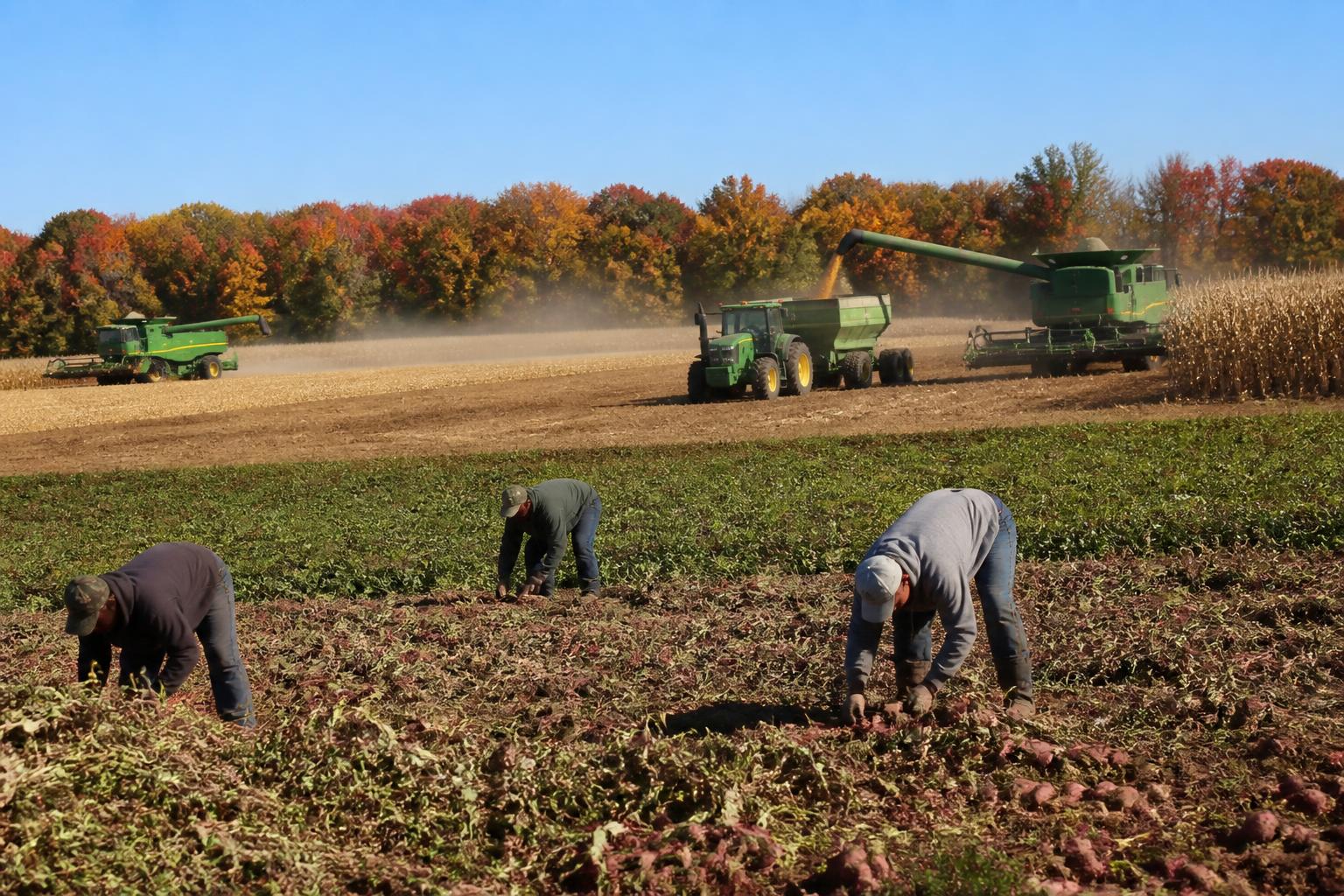
As the fall season brings cooler air to Maine, agricultural producers across the state are shifting their focus toward harvest logistics. For many growers, this period is defined by a critical assessment of machinery and storage readiness. Ensuring that combines and drying equipment are properly tuned can be the difference between maintaining crop quality and facing significant post-harvest losses. As Maine grain producers prepare for harvest, meticulous attention to detail in the field often pays dividends by minimizing downtime during the brief window before winter sets in.
Refining Focus for Seasonal Success
In a market environment where national projections suggest a trend toward higher supplies and potentially lower prices, local producers are increasingly prioritizing profit margins over absolute yield. While high yields are often a goal, managing input costs and reducing mechanical waste during the harvest season are vital for protecting the bottom line. Growers in regions from the northern reaches of Aroostook County down to the smaller operations in southern Maine are encouraged to evaluate their test plots and crop performance from the current season to inform future planning.
Mitigating Risks in the Field
Managing soil health and compaction remains a persistent concern as heavy machinery moves across fields. Reducing the number of passes and optimizing equipment weight distribution can help maintain the integrity of the soil for next year's planting cycle. Furthermore, for those handling stored grains, proactive monitoring for moisture and storage conditions is essential to prevent degradation. Whether you are operating large-scale commercial acreage or smaller, diversified farms, the logistics of transport and timely delivery to elevators continue to be a cornerstone of regional efficiency.
What it means for the market
The current market environment requires a disciplined approach to inventory management. With national crop supply levels exerting pressure on commodity pricing, Maine producers may find that local storage capacity and grain quality management are their most effective tools for maintaining market flexibility. By focusing on operational efficiency rather than relying on market volume alone, growers can better navigate the economic uncertainties of the upcoming cycle.
Comments
No comments yet - be the first to share your take.