
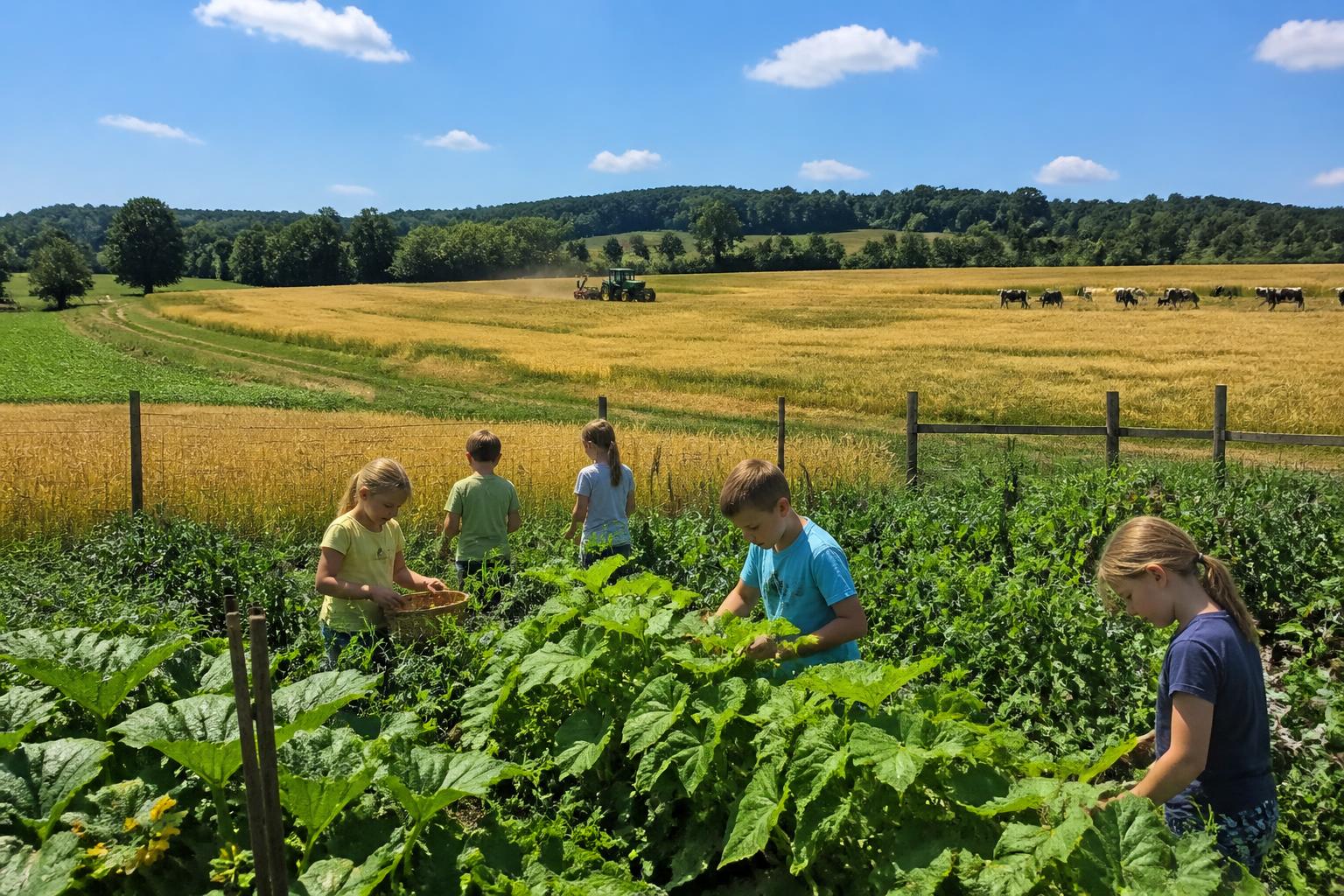
Summer grain harvesting is underway in Kentucky, bringing clear insights into this season's yield potential. While wheat growers are anticipating highly respectable yields, overall output is expected to fall short of recent record-breaking years. Nonetheless, local grain elevators and marketing cooperatives are preparing for a steady volume of high-quality soft red winter wheat flowing from the fields this June.
Wheat Quality Holds Firm While Barley Gains Ground
Although Kentucky wheat growers do not expect to break records this season, the crop's quality remains a strong point for local grain handlers. Moderate spring temperatures and strategic field management have kept disease pressures relatively low in major producing counties. This steady volume ensures that mills and exporters will have access to consistent domestic supplies.
Meanwhile, there is renewed interest in alternative small grains across the state. Barley is showing signs of a potential rebound in Kentucky, offering farmers an effective double-crop option alongside soybeans. Incorporating barley into winter crop rotations assists with soil coverage and provides an early summer harvest window, helping farmers optimize their field schedules while managing local soil and water resources more efficiently.
Livestock Demands Drive Local Grain Consumption
The stability of Kentucky's grain market is heavily reinforced by its robust livestock sector. Kentucky continues to hold its position as the leading cattle producer east of the Mississippi River. This substantial cattle population represents a built-in market for regional feed grains, including corn, silage, and feed-grade barley.
To feed these herds economically, livestock operators and grain farmers are working closer than ever. Amid fluctuating input expenses, producers are focused on maximizing feed efficiency. Implementing smarter crop rotations and adopting strategic tactics for balancing fertilizer costs and crop nutrition are critical steps for maintaining profitability in both the grain elevator and the feedlot.
This localized feed demand provides a vital safety net for Kentucky grain producers, keeping regional basis levels competitive even when national or global commodity prices experience downward pressure. Notable producers like Joe Nichols, recently recognized as Kentucky's Farmer of the Year, highlight the excellence and adaptability that define the state's modern agricultural workforce.
Key Takeaways for Bluegrass Producers
- Wheat yields: Expected to be highly favorable and of solid quality, though total volume will likely remain below historic records.
- Barley resurgence: Rising interest in barley offers growers a viable crop rotation alternative and early summer cash flow.
- Strong feed demand: Kentucky's status as the top cattle state east of the Mississippi guarantees consistent local demand for feed grains.
What it means for the market
For Kentucky grain elevators, carriers, and feed buyers, the current summer harvest points to a balanced market with localized pricing advantages. While national export markets dictate broad pricing trends, the strong domestic demand from the state's livestock sector will help support local basis. Producers should monitor local storage capacities and consider the logistical advantages of incorporating diverse winter small grains like barley into their long-term crop rotations to mitigate seasonal market volatility.
Comments
No comments yet — be the first to share your take.