
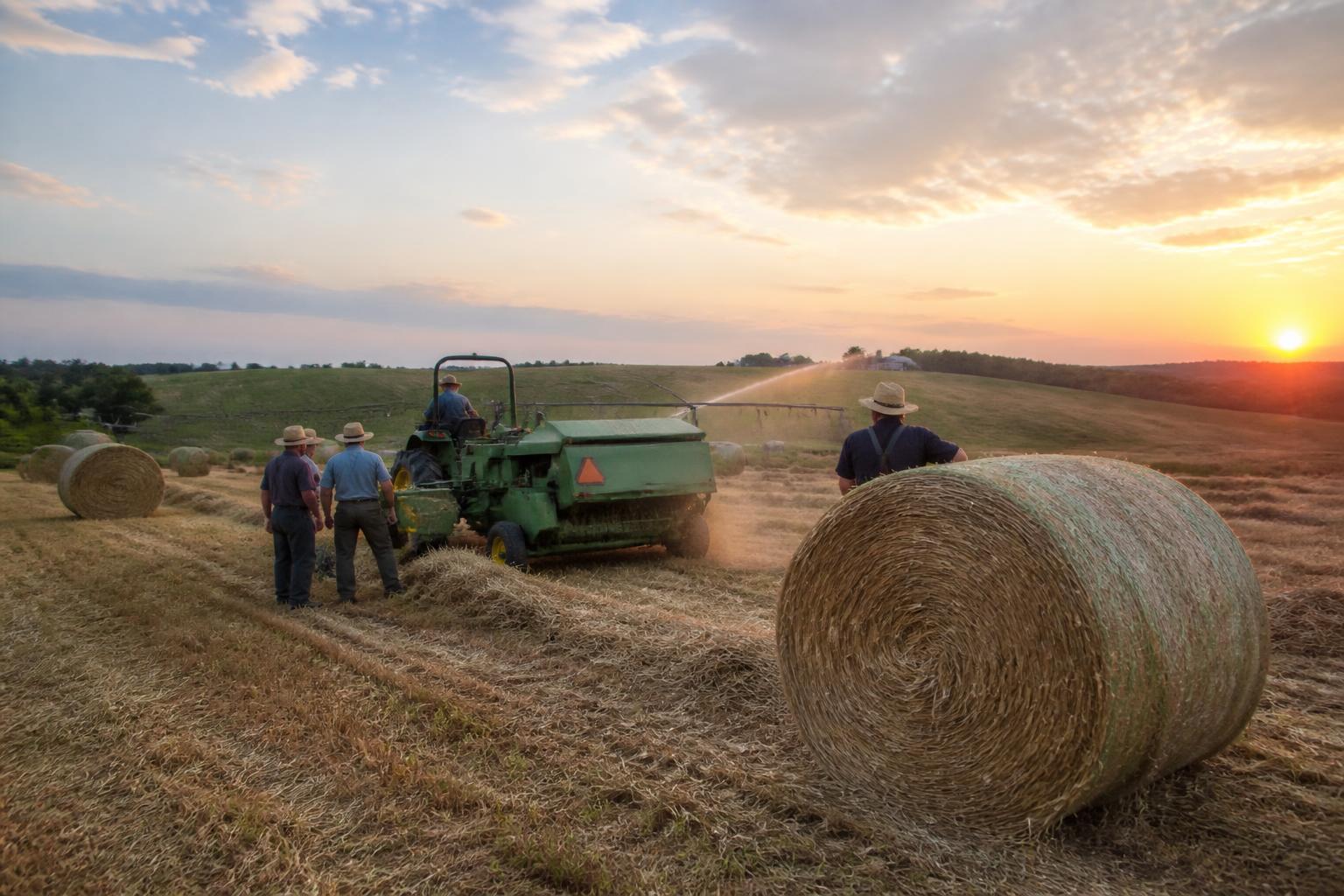
As the summer heat settles over the Bluegrass State this June, Kentucky grain producers are balancing changing field conditions with strategic management decisions. From the fertile soils of Logan County to the river-bordering bottoms of Western Kentucky, growers are navigating tight planting windows, unique soil compaction challenges, and the shifting economics of crop versus pasture acreage.
With cash receipts historically showing strong potential, farmers are increasingly looking toward agronomic efficiency, advanced drainage systems, and alternative nutrient applications to maximize their margins. Navigating these variables requires a mix of traditional field experience and modern technological adaptation.
Managing Delayed Planting and Hard Soils
Kentucky growers are increasingly prepared to adjust their typical corn planting windows when spring wetness or late-season logistics demand flexibility. However, shifting the planting timeline often carries a domino effect, potentially pushing the local corn harvest later into the autumn months. A late harvest can complicate logistics at regional river terminals and country elevators, making early drying and storage planning essential.
In addition to weather-related delays, many Kentucky fields face natural yield limits due to restrictive hardpan layers and fragipan soils. These dense subsurface layers restrict root depth and water movement, leaving crops vulnerable during dry summer stretches. To combat this, innovative producers are exploring controlled drainage and targeted tiling systems. These practices allow growers to retain moisture during dry periods while draining excess water during heavy spring rains, creating a more resilient soil environment for both corn and soybeans.
Acreage Shifts and Nutrient Innovation
High-value grain production is altering the rural landscape, with some operators shifting acreage away from traditional pastures and hay fields into row-crop production. This land-use transition requires careful nutrient management, especially as producers work on balancing tradition and innovation amid market changes throughout the Bluegrass State.
To optimize input costs on newly transitioned ground and established no-till fields, some growers are implementing new poultry litter application methods. Applying poultry litter precisely within no-till corn systems helps place nutrients directly where the growing crop can access them, reducing runoff and maximizing fertilizer efficiency. Furthermore, for livestock-heavy operations, managing forage quality remains a priority, with many using winter wheat as an effective winter grazing option for cattle once the main cash crops are off the fields.
Aviation Biofuels and Future Demand
Looking beyond the immediate marketing year, long-term demand indicators are emerging on the horizon. Kentucky agricultural and business leaders have recently highlighted the growing potential for local farmers to supply feedstocks for the sustainable aviation fuel (SAF) industry. As the aviation sector seeks to reduce carbon emissions, regional grain and oilseed production could play a central role in powering future flights, providing a steady domestic market buffer for local elevators and growers.
To capture these emerging opportunities while keeping overhead low, many operators are turning to equipment rental programs to access advanced machinery without committing to high-interest capital purchases. This financial flexibility allows farms of all sizes to adopt precision irrigation and high-efficiency planting technology on demand.
What it means for the market
For Kentucky grain handlers, input buyers, and elevator operators, the prospect of a late-running corn harvest means that storage capacity and logistics along major transit corridors must be secured early. While hard soils and variable summer weather pose localized yield risks, the adoption of controlled drainage, precision nutrient placement, and flexible equipment strategies will help stabilize supply. Keep a close eye on regional basis levels as local demand from livestock sectors and emerging biofuel interests continues to compete with traditional river export markets.
Comments
No comments yet - be the first to share your take.