
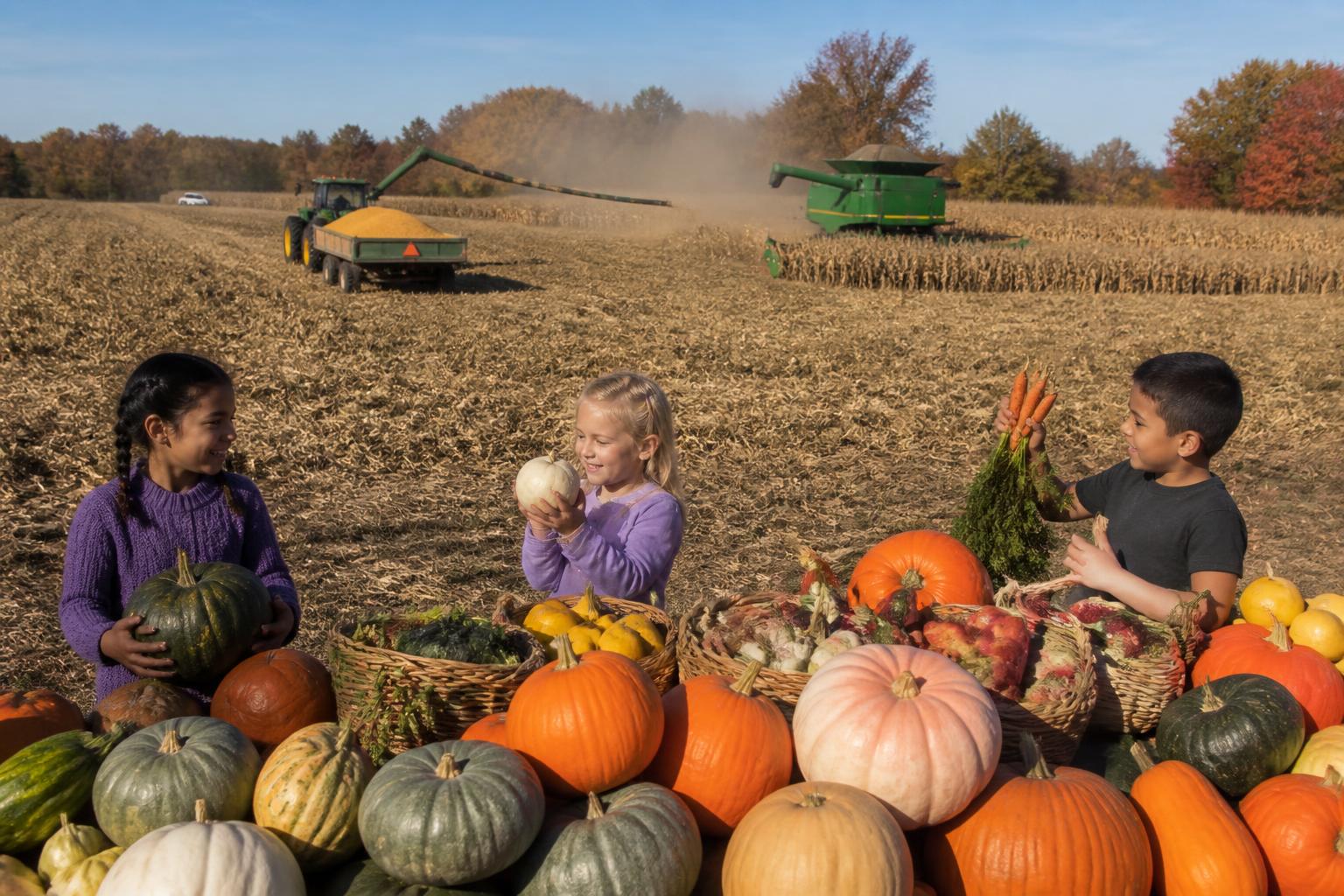
As the state moves deeper into the fall harvest season, South Carolina agricultural producers are balancing localized crop performance against broader market and economic signals. Recent data from federal reporting agencies indicates that some regional commodity yields may face significant pressure, prompting many farm operations to re-evaluate their storage and marketing strategies for the coming months.
Navigating Evolving Market Dynamics
For many farmers throughout the state, the current focus remains on optimizing harvest logistics and transport planning. With yield forecasts showing volatility in specific crops, such as corn and soybeans, maintaining operational efficiency from field to elevator is paramount. Producers are often looking closely at their input costs and the potential for market fluctuations, which can impact the bottom line as grain moves into the distribution network.
Operational Resilience in South Carolina
The agricultural community continues to show resilience through ongoing investments in regional connectivity and labor resources. Whether managing livestock assets like those seen in recent Orangeburg stockyard activities or adjusting to rising production and logistical costs, farm owners are increasingly utilizing strategic planning to mitigate risk. Engaging with local infrastructure, from grain terminals to major highway corridors, remains a critical component of sustaining profitability in this environment.
Key Takeaways
- Yield forecasts for key commodities require cautious management of storage and sale timelines.
- Logistical planning is essential to offset potential regional harvest bottlenecks.
- Farm management strategies continue to adapt to shifts in both operational costs and market demand.
What it means for the market: The current agricultural climate in South Carolina suggests a period of measured caution. As harvest volume increases, the ability of growers to effectively navigate existing supply chain constraints and respond to real-time price signals will likely determine the overall health of the season for independent producers and regional agribusinesses alike.
Comments
No comments yet - be the first to share your take.