
Adapting to Summer Heat and Climate Volatility
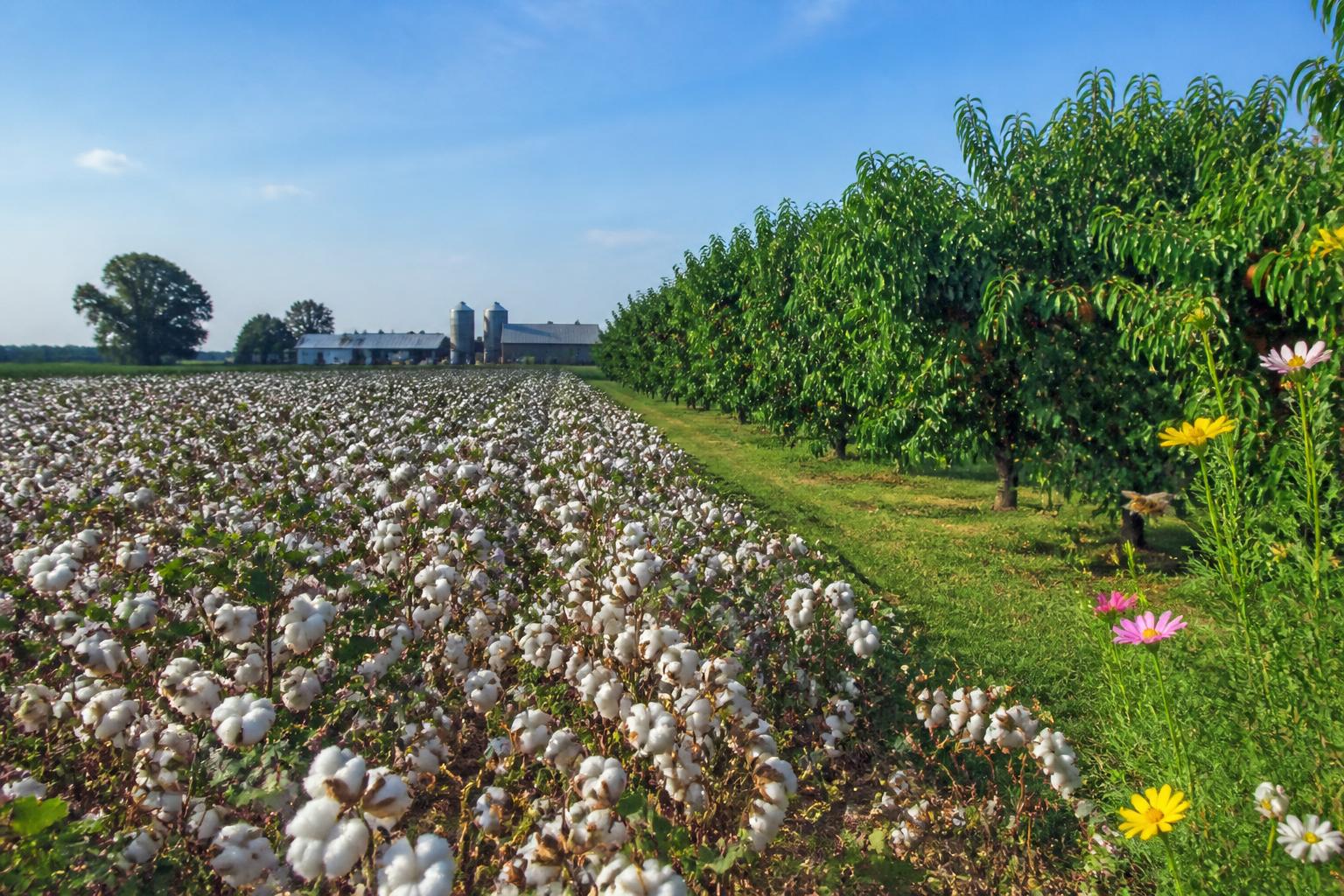
As August progress through the South Carolina landscape, farmers are increasingly looking toward innovation to mitigate the impact of seasonal temperature spikes. Ongoing research, including work at institutions like Clemson University, is currently investigating genetic traits that may help crops like peanuts better endure heat stress. For many producers, these advancements offer a vital buffer against the environmental pressures that typically define this time of year in the Southeast.
Building sustainable, high-yield systems requires more than just resistant varieties. Field-level management, from soil health optimization to managing weather volatility, remains the cornerstone of operational stability. As growers evaluate their performance mid-season, the emphasis on research-backed agricultural practices continues to play a significant role in ensuring long-term crop resilience.
Logistics and Market Connectivity
Beyond the field, the movement of commodities through the state’s infrastructure is a critical component of the market equation. Efficiency at key hubs, such as the Port of Charleston, continues to facilitate the export of local harvests, providing a necessary bridge between regional production and global demand. For those involved in strategic grain planning, maintaining alignment with logistics providers is essential to navigating the current supply chain landscape.
While regional growers face ongoing challenges regarding input costs and fuel price fluctuations, proactive planning and leveraging local institutional research can often provide a competitive edge. Staying informed on regional infrastructure updates and participating in industry gatherings remains a practical step for agribusinesses looking to refine their seasonal outlook.
What it means for the market
The South Carolina market is currently characterized by a push toward both biological and logistical efficiency. With high-summer conditions testing crop limits, growers who prioritize heat-tolerant strategies and optimized transport pathways are better positioned to weather price volatility. Producers should continue to monitor local research updates and port activity to adjust their late-season plans accordingly.
Comments
No comments yet - be the first to share your take.