
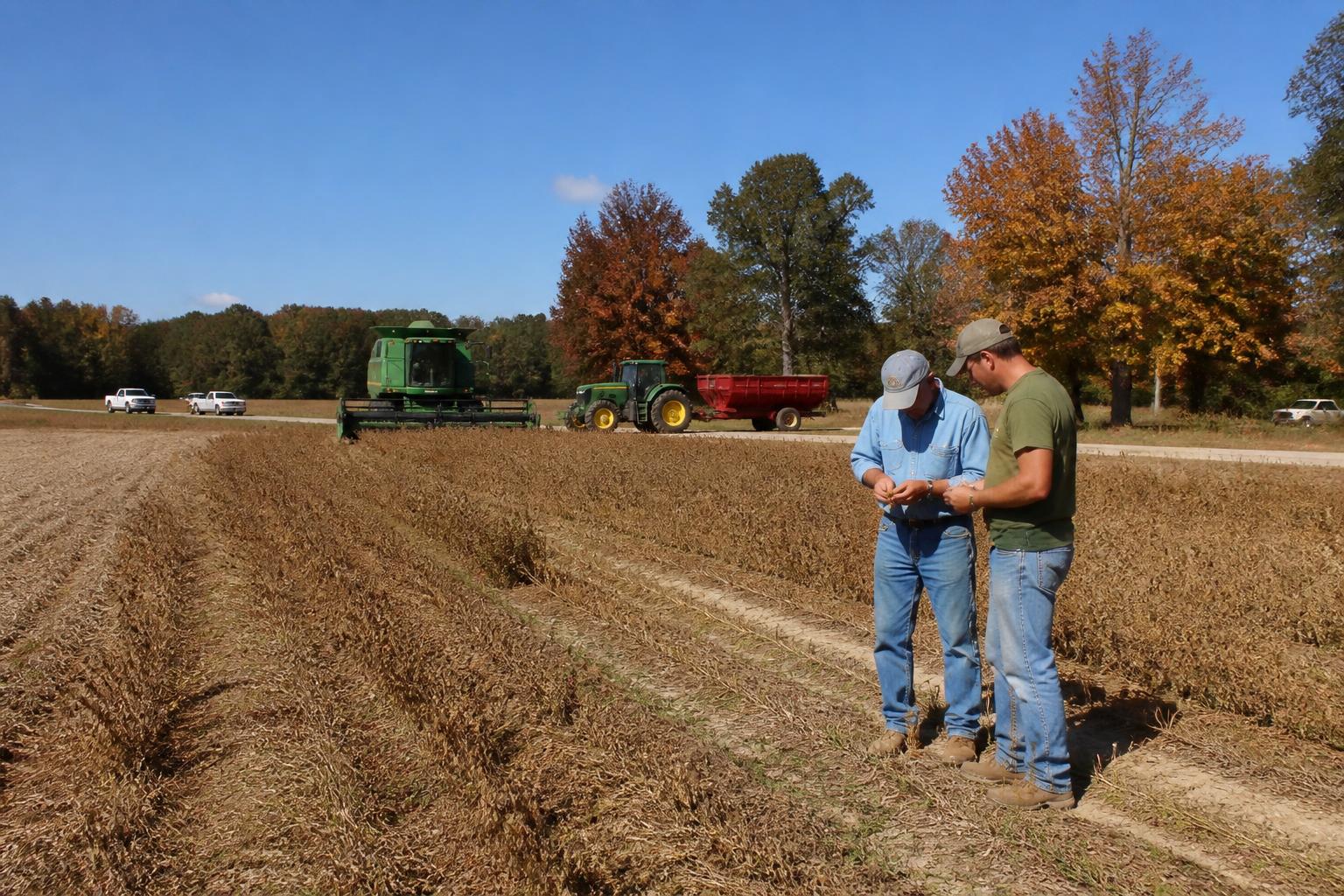
As the fall season takes hold across South Carolina, farmers are shifting their attention toward the demands of the upcoming harvest. While yield potential remains a critical priority, the logistical framework supporting the movement of goods from field to storage and finally to port remains a central challenge for agribusinesses throughout the state.
For growers in the Pee Dee region and beyond, managing operational overhead continues to be a persistent theme. The pressure of rising input costs has forced many producers to reevaluate their supply chain strategies, focusing on efficiency as a way to protect narrow margins during these critical operational months. Whether navigating local road networks or coordinating with inland port facilities, consistent transport planning is essential for maintaining a steady flow of commodities.
Refining Logistics and Managing Capacity
Efficient movement of grain and specialty crops relies heavily on the integration of inland infrastructure. As seen in strengthening inland connectivity, farmers who leverage optimized logistics corridors often find better success in meeting tight shipping windows. This is particularly important during the fall as regional elevators and distribution centers see increased throughput.
The ability to synchronize harvest timing with available transportation is often the deciding factor in maintaining product quality and securing competitive freight rates. Producers are encouraged to maintain open lines of communication with their local carriers and storage handlers, as early coordination can help mitigate the risks of seasonal bottlenecks.
Addressing Operational Uncertainties
Beyond logistics, farmers are navigating a complex economic landscape. Recent reports indicate that while new field crops are gaining traction in some areas of the state, the broader sector faces ongoing hurdles. From market-driven cost pressures to the inherent variables of weather, the focus remains on resilient management practices. Many in the industry are also looking toward administrative and educational support to help stabilize their operations against unpredictable conditions.
What it means for the market: Producers and agribusinesses should prepare for a fall season where logistical preparedness is as vital as crop management. By prioritizing efficient transit routes and maintaining flexible, well-communicated harvest schedules, South Carolina growers can better manage the volatility of current market costs and ensure that their commodities reach their intended destinations with minimal disruption.
Comments
No comments yet - be the first to share your take.