
North Dakota agricultural producers are navigating a complex fertilizer market this summer as global geopolitical tensions, including conflicts in the Middle East, continue to exert upward pressure on input costs. With energy markets volatile and international supply chains sensitive to disruption, the expense of securing essential crop nutrients remains a top concern for operations across the Red River Valley and the western plains.
To safeguard profit margins, growers are transitioning toward highly strategic nutrient management. By focusing on targeted applications rather than broad-stroke field coverage, agribusinesses are finding ways to stretch their input dollars further during the critical summer growing season.
Selective Application to Protect Margins
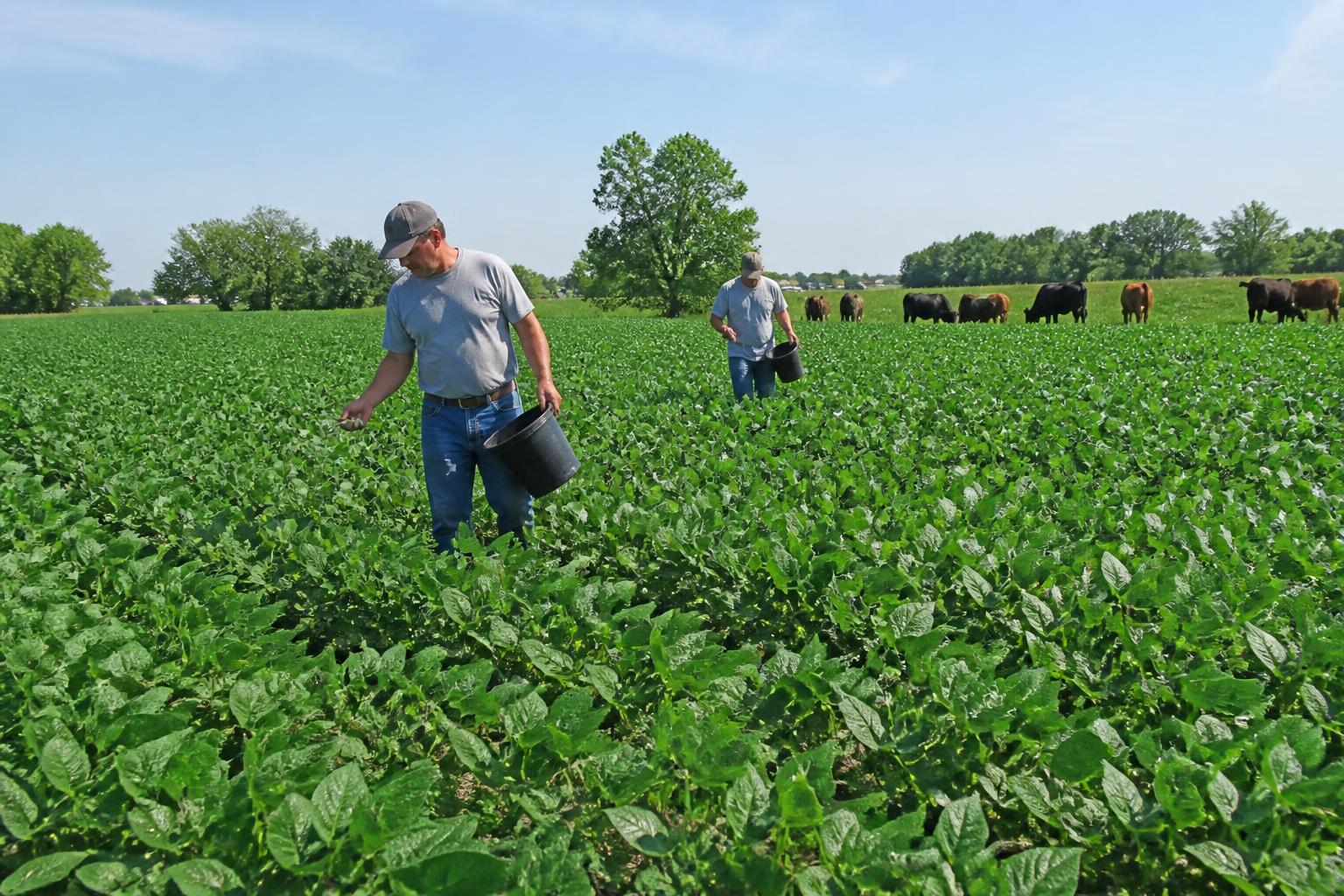
For crops like soybeans, farmers can significantly reduce their overall operating expenses by being highly selective about fertilizer application. Rather than adhering to legacy application schedules, many crop advisors in North Dakota are recommending comprehensive soil testing and tissue sampling to identify precisely where supplemental nutrients will yield a positive return on investment.
This cautious approach is particularly vital given the high input costs and logistic headwinds that have characterized the regional market. Maximizing efficiency not only keeps immediate overhead down but also reduces the volume of product that needs to be transported via local rail and highway corridors, mitigating localized distribution bottlenecks.
Domestic Production and the Northern Plains Nitrogen Project
As international supply disruptions highlight the vulnerability of relying on imported synthetic fertilizers, local initiatives are receiving renewed attention. The Northern Plains Nitrogen (NPN) proposal, which aims to establish a regional manufacturing footprint, has seen renewed interest from stakeholders seeking a more stable, domestic source of nitrogen-based inputs.
A regional production facility could provide Upper Midwest retail networks and cooperative elevators with a direct supply line, insulating local growers from global macroeconomic shocks. However, launching large-scale infrastructure projects requires navigating a shifting investment landscape. To understand the long-term viability of these capital-intensive projects, market participants often look back at the structural opportunities and challenges in North Dakota's market over recent seasons.
Heightened Regulatory Scrutiny on Infrastructure Investment
In addition to supply chain challenges, agricultural projects in the United States must now contend with a more stringent regulatory environment. There is a general trend of increased USDA and Committee on Foreign Investment in the United States (CFIUS) scrutiny regarding "foreign person" related investments in domestic agricultural lands and processing facilities.
This heightened federal oversight means that joint ventures, foreign capital infusions, and land acquisitions intended for agricultural development will face rigorous compliance checks. For regional fertilizer and logistics projects seeking diverse funding sources, these regulatory hurdles could lengthen development timelines and require more transparent financing structures.
Key Takeaways for Producers
- Evaluate Soybean Inputs: Assess soil profiles carefully; selective fertilizer application on soybean acres offers a direct path to lowering input costs without sacrificing yield potential.
- Monitor Domestic Infrastructure: Track the progress of regional manufacturing proposals like Northern Plains Nitrogen as indicators of future local supply stability.
- Expect Regulatory Delays: Anticipate that new agribusiness joint ventures involving international capital will face thorough federal scrutiny, potentially slowing down regional infrastructure expansions.
What it means for the market
For North Dakota retail distributors, co-ops, and farmers, the current climate demands strict operational discipline. While global factors continue to threaten price stability, the combination of selective on-farm application and a long-term push toward regional production facilities represents the state's best defense against international market shocks. Buyers should remain in close contact with their suppliers to lock in summer and fall requirements during periods of temporary price relief.
Comments
No comments yet - be the first to share your take.