
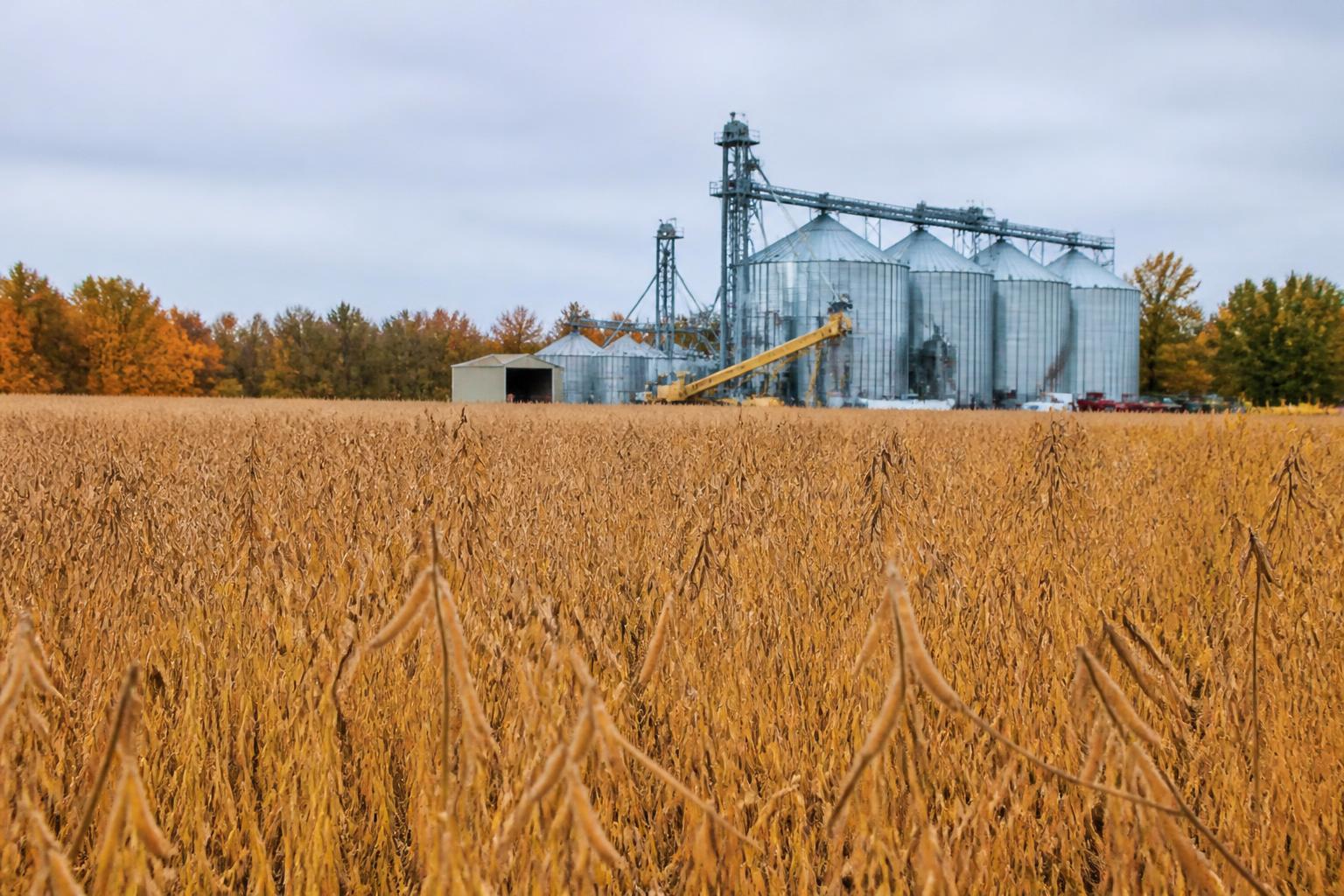
As the fall harvest season arrives in New Hampshire, local producers are managing the dual challenges of seasonal labor requirements and evolving logistical infrastructure. With crop maturation reaching its peak in many counties, the focus for grain handlers and farmers is shifting toward ensuring that transport and storage systems are optimized to handle the influx of seasonal yield.
Producers are encouraged to stay informed as regional partners, such as the University of New Hampshire, continue to navigate New Hampshire's shifting operational and regulatory climate. Maintaining awareness of these changes is essential for those looking to align their harvesting schedules with local storage capacities and transport availability.
Optimizing Logistics During Peak Harvest
Efficient movement of goods remains a cornerstone of success during the autumn months. While infrastructure investment continues to be a priority at the national level, local agribusinesses must often rely on precise timing and established regional transport corridors to avoid bottlenecks. When planning, consider how navigating New Hampshire grain markets amid fall regulatory shifts can impact your immediate bottom line. Leveraging local knowledge regarding regional weight restrictions and traffic patterns remains a standard practice for carriers operating across the state.
Building Resilience in Local Supply Chains
Partnerships between academic institutions and private industry continue to play a role in the long-term viability of the region's agricultural output. Ongoing research and industry collaborations, such as the deepened navigating late-summer shifts in New Hampshire's grain market, highlight the importance of adaptability. By focusing on sustainable practices and optimized delivery systems, New Hampshire's agricultural community can better withstand potential disruptions in broader supply chains.
What it means for the market
For grain handlers and input buyers, the current market environment underscores the need for proactive logistics planning. As we move deeper into the fall, monitoring regional supply chain developments and aligning with local transport schedules will be critical for maintaining margins and ensuring that products reach their destinations without unnecessary delays.
Comments
No comments yet - be the first to share your take.