
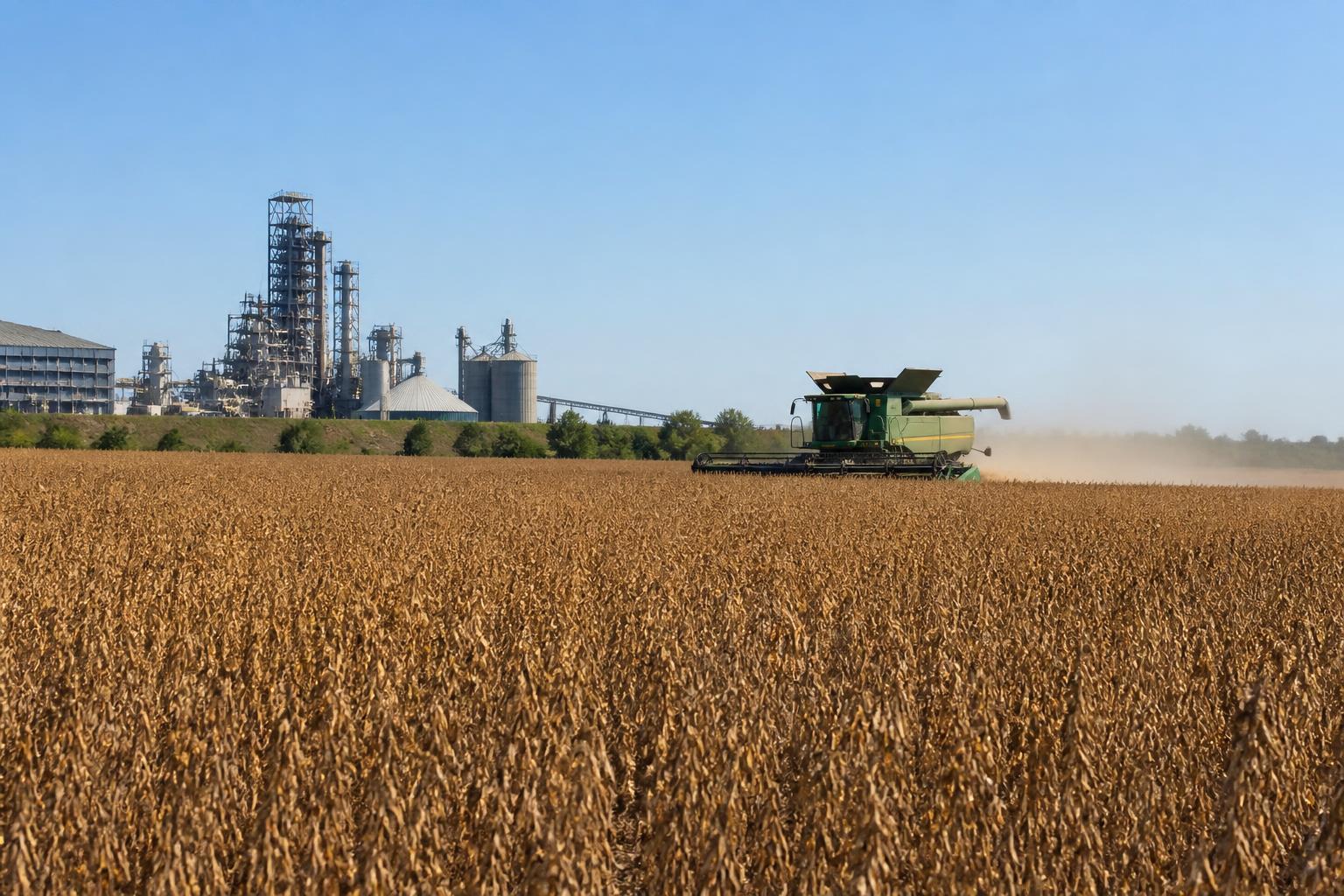
Louisiana continues to solidify its role as a cornerstone of American agricultural infrastructure. Recent industry announcements confirm plans for a $450 million phosphate fertilizer facility, marking a notable development in the state's industrial landscape. This investment represents the first major project of its kind in the U.S. in over four decades, reflecting a strategic move to bolster domestic fertilizer supply infrastructure.
Reducing Import Dependency
For Louisiana producers and regional agribusinesses, the facility is viewed as a vital step toward greater market stability. By shifting production closer to home, stakeholders anticipate a reduction in the volatility often associated with global supply chains. This localized production capacity could provide a more reliable stream of inputs, which is critical as the state balances ongoing harvest demands and seasonal logistics.
Building a Long-Term Competitive Edge
The move aligns with broader efforts to modernize the state's domestic supply capabilities. While large-scale capital projects often face lengthy construction and regulatory timelines, the integration of new manufacturing capacity into the Louisiana corridor is expected to offer long-term benefits to grain handlers and input buyers alike. The proximity to key transport routes suggests that once operational, the facility could streamline regional distribution significantly.
Key Takeaways for Agribusinesses
- The $450 million facility aims to address historical gaps in domestic phosphate manufacturing.
- Increased local production may help buffer farmers against international market price swings.
- Strategic placement within Louisiana underscores the state's enduring importance to national logistics and supply chains.
What it means for the market: For the Louisiana agricultural sector, the expansion is a positive signal for long-term input security. While immediate market prices remain tied to global factors, the addition of domestic manufacturing capacity provides a foundation for more resilient pricing and availability in the coming years. Farmers and distributors should continue to monitor project timelines as these developments evolve.
Comments
No comments yet - be the first to share your take.