
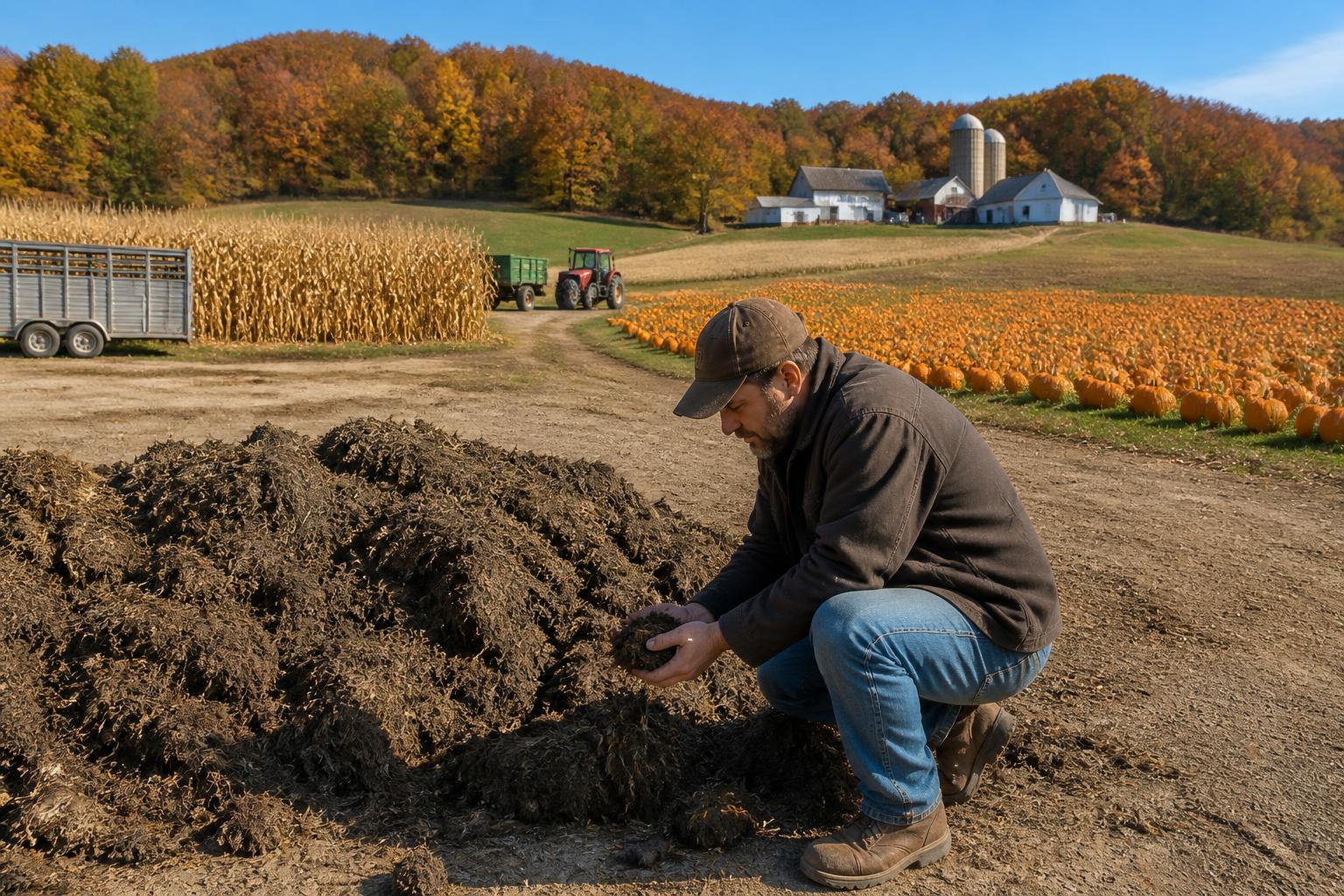
For many farmers across the Mountain State, the challenge of balancing soil fertility with tightening margins remains a primary concern as we move deeper into the fall. Recent industry surveys indicate that a high percentage of producers nationwide are facing financial hurdles that may limit their ability to secure sufficient fertilizer supplies for the 2026 season. This economic pressure is forcing many operations to re-evaluate their input strategies and seek more efficient ways to maintain long-term land productivity.
As operators across West Virginia look to mitigate these rising expenses, there is growing interest in integrating organic amendments into traditional fertility programs. Local research, including ongoing studies by university experts in the state, is examining the practical application and efficacy of manure as a primary nutrient source. Adopting such West Virginia fertilizer market strategies can potentially help reduce dependence on synthetic inputs, though it requires careful management of application rates and timing to align with soil health goals.
Adapting to Input Volatility
With costs weighing heavily on balance sheets, the focus for many agribusinesses is shifting toward precision and sustainability. Whether managing pasture land for cattle or preparing fields for cover crops, the ability to source inputs at a sustainable price point is essential. In addition to exploring organic alternatives, some producers are investigating regional supply chains to reduce logistics-related markups, which can fluctuate depending on fuel costs and regional demand.
Building Operational Resilience
Planning for future input needs in an uncertain market often requires a proactive approach to farm management. Many successful operations in the state are diversifying their soil management techniques while closely monitoring regional agricultural news to identify potential cost-saving opportunities. By leaning into research-backed methods and local collaboration, farmers are better positioned to protect their operational viability against broader economic pressures.
What it means for the market
The current market environment suggests a sustained period of caution regarding input spending. Producers who prioritize soil testing, explore diverse nutrient sources, and maintain tight logistical oversight are likely to navigate these challenges more effectively than those relying on traditional, higher-cost procurement methods alone.
Comments
No comments yet - be the first to share your take.