
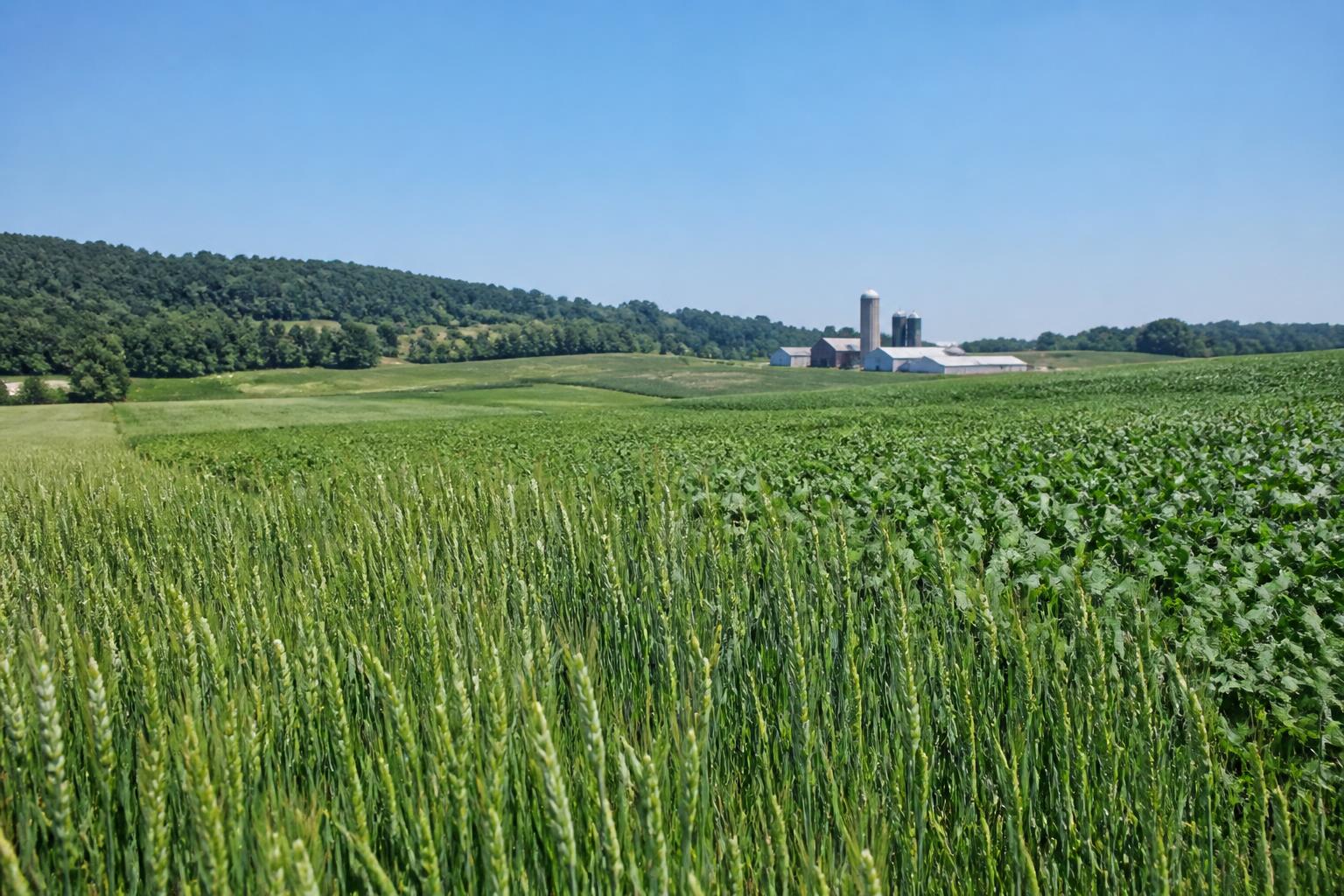
As summer settles over the Commonwealth, Pennsylvania agricultural producers are working to secure both their land and their yields. The state has entered a critical window where long-term farmland preservation programs are meeting immediate, high-stakes seasonal crop management decisions. From the rolling hills of the Lehigh Valley to the fertile fields of the Susquehanna Valley, balancing land stewardship with proactive crop protection is defining the summer of 2026.
Pennsylvania Commits $12 Million to Farmland Preservation
In a major boost for the state's agricultural infrastructure, Pennsylvania has committed $12 million to preserve 29 farms spanning 17 counties. This investment ensures that thousands of acres of prime agricultural soil will remain dedicated to farming rather than commercial development. Key local achievements include the preservation of a 104-acre crop farm in Tilden Township within Berks County, alongside significant acreage in Northampton County.
These preservation efforts protect the agricultural landscape along critical transportation corridors like the PA Turnpike, maintaining a steady supply of local commodities for regional markets. By securing these soils permanently, the state is cushioning its agricultural economy against suburban sprawl, keeping local grain and livestock production viable for generations to come.
Summer Disease Management: Protecting Heading Wheat
While long-term land preservation secures the future, immediate crop protection dictates this season's bottom line. For Pennsylvania wheat growers, early summer brings the critical challenge of managing fusarium head blight (head scab). Applying fungicides at the early flowering and heading stages is essential to safeguard grain quality and prevent the development of vomitoxin, which can severely dock prices at the elevator.
Farming operations must carefully monitor local weather patterns and humidity levels to time these applications perfectly. Growers seeking to optimize their chemical and biological strategies can benefit from reviewing active regional management histories, such as recent strategies deployed for Pennsylvania crop protection management, which highlight the importance of timely interventions during volatile seasonal transitions.
Leveraging REAP Tax Credits and Soil Health Investments
To offset the costs of implementing advanced conservation and protection practices, Pennsylvania farmers are increasingly turning to state-sponsored financial incentives. The Resource Enhancement and Protection (REAP) program offers tax credits for agricultural conservation practices, encouraging growers to adopt management plans that protect local waterways and enhance soil biology.
With Pennsylvania agricultural producers putting a stronger focus on the bottom-line benefits of soil health, utilizing REAP credits allows operations to implement cover cropping, precision nutrient management, and advanced crop protection equipment. Agricultural experts advise farmers to apply for these credits early in the fiscal cycle before available allocations are fully claimed.
What it means for the market
For the regional grain and input markets, Pennsylvania's dual focus on land preservation and strict seasonal disease management stabilizes the local supply chain. Ensuring that prime acreage in counties like Berks and Northampton remains agricultural prevents long-term regional production declines. Meanwhile, proactive fungicide applications on heading wheat this summer will protect grain quality, keeping local soft red winter wheat competitive and minimizing feed-grade downgrades at regional elevators.
Comments
No comments yet — be the first to share your take.