
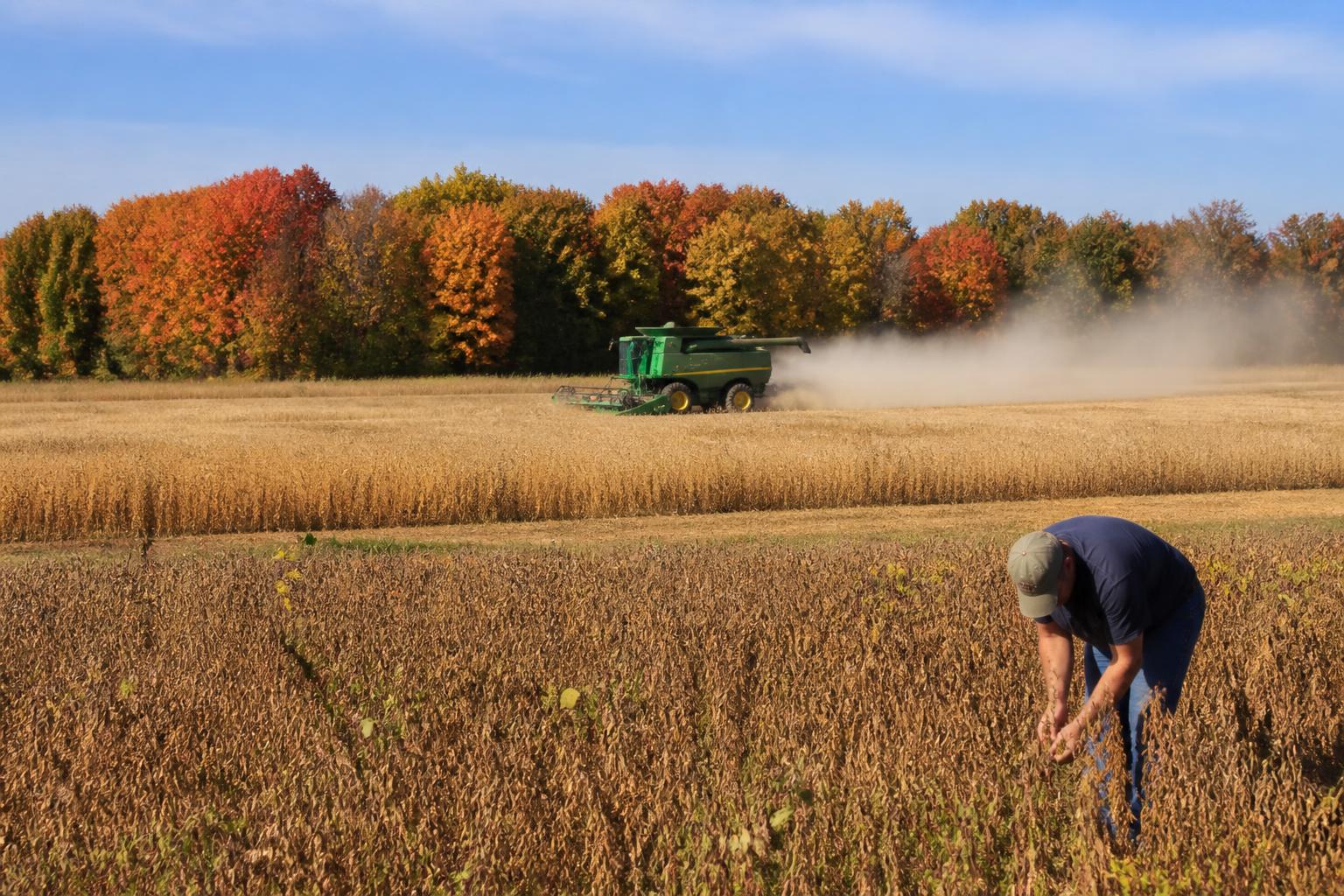
As the fall harvest season gathers momentum across Michigan, agricultural producers are increasingly shifting their focus toward post-harvest field management and input logistics. With the seasonal window for nutrient application opening, the priority for many growers in the Great Lakes region is to align soil fertility programs with both yield goals and environmental stewardship.
Effective nutrient management is a cornerstone of maintaining consistent output in Michigan's diverse cropping systems. Whether managing ground for corn or high-value specialty crops, understanding the local strategic nutrient planning requirements is essential for long-term viability. Producers are encouraged to evaluate current soil testing results to tailor their fall applications, which can help maximize uptake efficiency and minimize the risks associated with runoff as winter approaches.
Navigating Supply and Storage Logistics
Logistical considerations often play a significant role in input procurement for Michigan agribusinesses. With recent shifts in the industry, staying informed about evolving storage regulations is critical for grain handlers and farmers alike. Maintaining compliant, efficient storage capacity ensures that when supply opportunities arise, operations are ready to secure necessary inputs without facing bottlenecks or safety-related delays.
Furthermore, broader infrastructure support continues to be a point of interest for the industry. Accessing information on infrastructure and safety funding can provide a competitive edge for those looking to upgrade their facilities or improve on-farm storage safety standards ahead of the next busy cycle.
What it means for the market
For the Michigan producer, the current landscape demands a balance between immediate harvest pressures and long-term soil health investment. By focusing on precision nutrient application and staying ahead of storage regulation shifts, growers can stabilize their input costs and improve the resiliency of their operations. As regional supply chains continue to navigate seasonal variability, proactive communication with local elevators and input suppliers remains the most reliable strategy for successful fall operations.
Comments
No comments yet - be the first to share your take.