
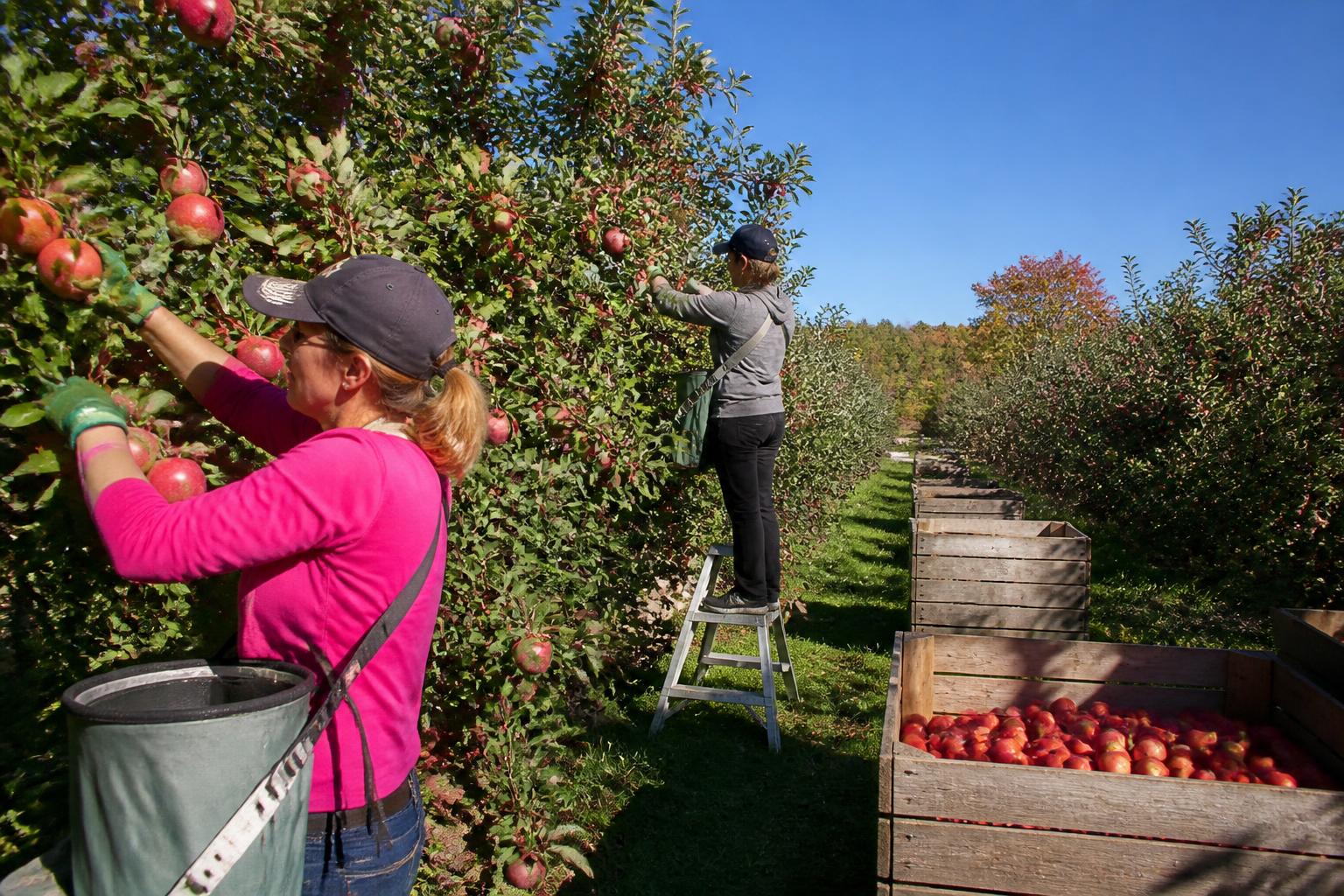
As Michigan farmers head into the heart of the fall harvest season, attention is shifting toward both field efficiency and long-term farm sustainability. State agencies are currently rolling out critical support mechanisms, including new grant opportunities aimed at enhancing safety on smaller operations and addressing broader infrastructure needs in rural communities.
Bolstering Farm Safety and Operational Resilience
For many Michigan producers, the transition into fall brings a surge in equipment movement and labor demands. Recognizing the inherent risks associated with peak harvest logistics, recent funding initiatives are prioritizing safety grants for small farms. These resources can be vital for businesses looking to upgrade handling equipment or improve site safety, helping to mitigate the challenges of a busy season. Ensuring that on-farm facilities are equipped to meet modern safety standards remains a top priority for agribusiness owners and operators across the state.
Strengthening Rural Infrastructure and Supply Chains
Beyond individual farm safety, there is an ongoing emphasis on the broader resiliency of the state's agricultural supply chain infrastructure. This includes support for projects that improve sustainability and efficiency in how inputs are managed and stored. These efforts are part of a larger, ongoing dialogue regarding how to modernize agricultural storage and regulatory frameworks in Michigan to better serve producers facing tightening margins and complex logistics.
Producers are encouraged to evaluate their current operational needs, whether it involves upgrading storage facilities, improving site access for heavy machinery, or investing in new technology to streamline harvest output. By leveraging available state grants, many operations can offset some of the capital expenditures required to maintain competitiveness.
What it means for the market
The influx of grant-funded opportunities provides a strategic buffer for Michigan farms during a period of high seasonal activity. By reinvesting in safety and infrastructure now, operators are better positioned to improve throughput, reduce potential downtime, and secure a more stable foundation for upcoming production cycles, ultimately contributing to a more resilient regional agricultural market.
Comments
No comments yet - be the first to share your take.