
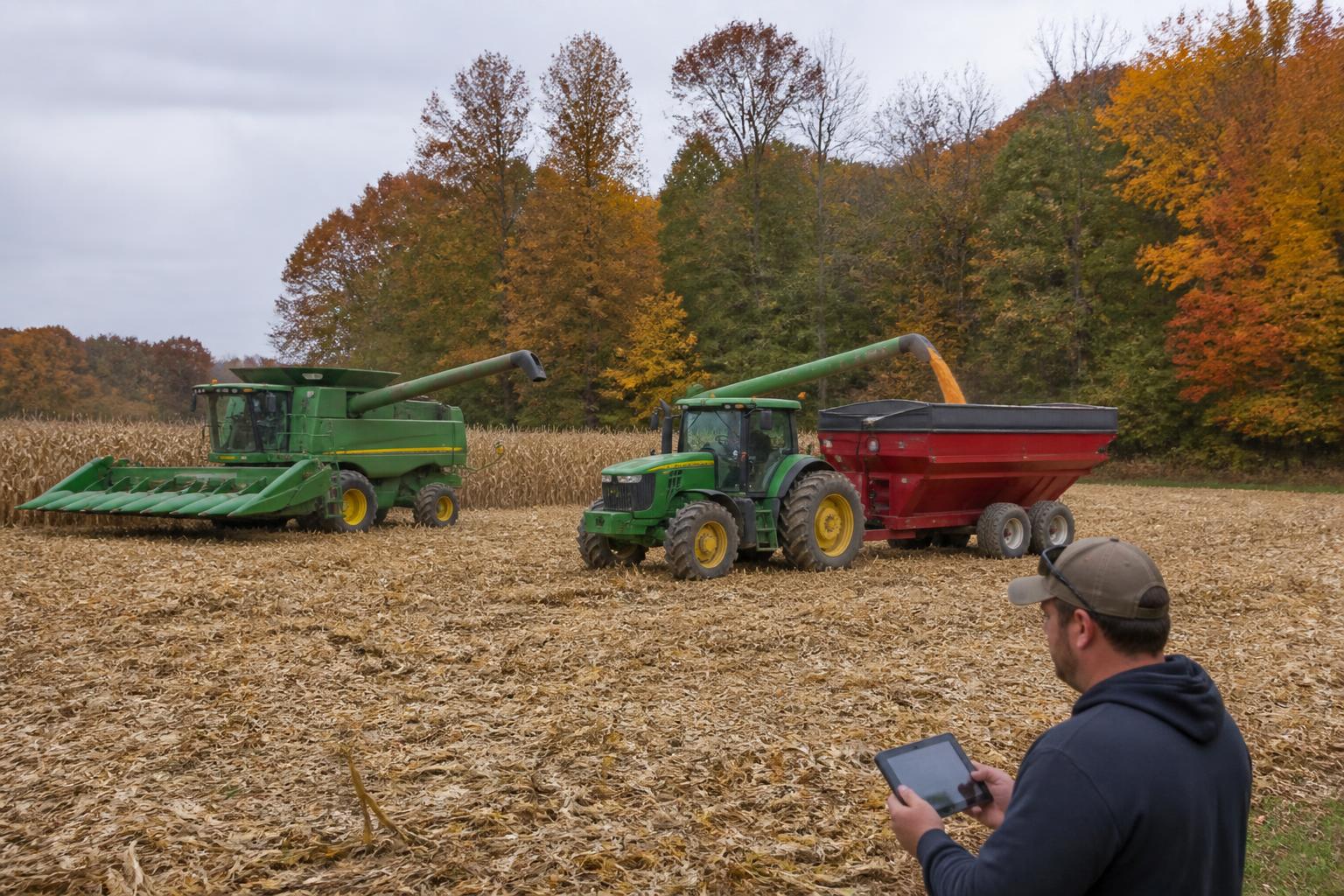
As North Carolina enters the core of the fall harvest season, producers across the state are assessing the impact of recent growing conditions on final yields. From the coastal plains to the Piedmont, grain handlers and farmers are adjusting to a season defined by shifting weather patterns that have left fields in mixed states of maturity and health.
Successfully moving this year's harvest requires careful coordination between producers and regional elevators. For those looking to optimize their grain sales during this high-traffic period, managing logistics and regional transit pressures remains a top priority to keep operations running smoothly while minimizing downtime at the bin or the scale.
Evaluating Crop Performance
The current harvest landscape highlights the necessity of localized field data. While some operations are reporting steady progress with early-harvested commodities, others are contending with the lingering effects of moisture variations that occurred earlier in the season. These inconsistencies are driving increased demand for efficient on-farm storage solutions and precise moisture monitoring to preserve quality throughout the delivery cycle.
Operational Resilience and Strategy
Beyond the field, North Carolina agribusinesses continue to explore new ways to streamline operations. Whether through the adoption of site-specific management tools or by refining transportation routes to avoid bottlenecked county roads, the emphasis remains on cost management and operational efficiency. Producers and input buyers alike are keeping a close eye on the latest legislative updates, such as the Farm Act 2024, as they set the stage for long-term planning and investment in facility upgrades.
Key Takeaways
- Monitor moisture levels closely, as field conditions remain inconsistent across many counties.
- Prioritize communication with local grain facilities to anticipate delivery wait times and staging capacity.
- Evaluate regional transport corridors for potential seasonal bottlenecks that could impact harvest logistics.
What it means for the market
The current state of the North Carolina grain market underscores the importance of flexibility. As harvest volume increases, the ability to pivot between local storage, direct-to-elevator delivery, and regional processing outlets will likely be the deciding factor in maintaining margins. For the remainder of the season, maintaining clear lines of communication with logistics partners and monitoring real-time transit status will be critical for all participants in the supply chain.
Comments
No comments yet - be the first to share your take.