
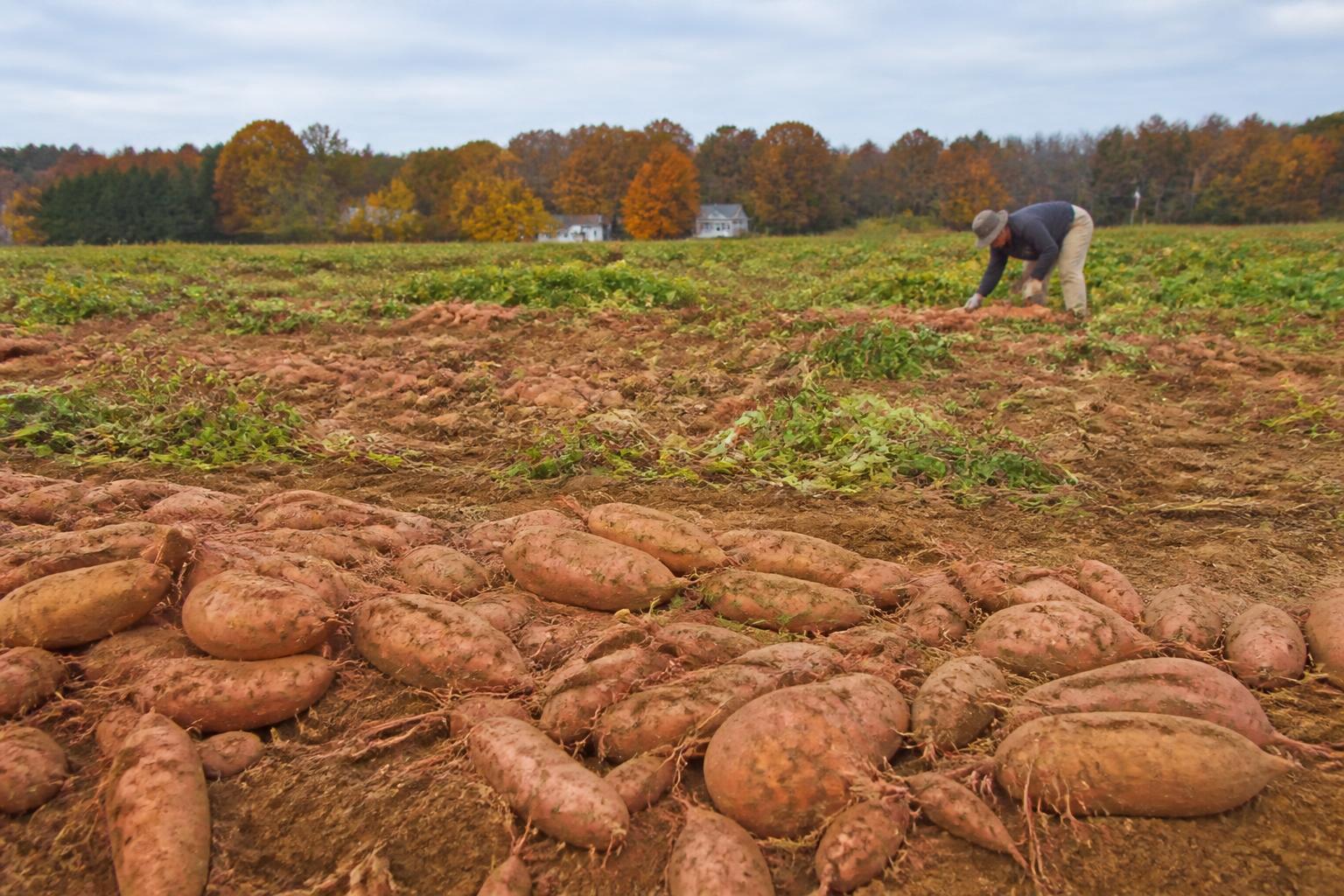
As North Carolina enters the peak of the fall season, the agricultural sector faces a complex intersection of climate-related challenges and infrastructure management. Producers across the state, from the coastal plains to the mountainous western regions, are navigating operational constraints ranging from persistent moisture-related stress in certain soil types to the logistical demands of seasonal transport.
Effective management of transit and regulatory oversight has become essential for agribusinesses looking to maintain margins in a fluctuating market. With the state Department of Transportation actively updating transit and traffic operations, producers are encouraged to stay informed on regional road conditions that may impact the movement of heavy machinery and harvest-bound goods. Reliability in rural infrastructure remains a focal point for those hauling inputs or moving finished product to terminal points.
Adapting to Supply Chain and Resource Shifts
Beyond the immediate transit concerns, the agricultural supply chain is feeling the pressure of broader economic shifts. Many farm operations are navigating logistics and aid availability as they transition into the height of the fall harvest. Rising costs for inputs, coupled with the need to manage fertilizer and resource applications, require precise planning. There is a growing awareness regarding the long-term forecasts for essential inputs like magnesium sulfate, which remains a watch item for growers monitoring soil health and yield protection.
Furthermore, the industry continues to manage the complexities of regional regulation. Recent discussions regarding environmental permitting and the ongoing preparation for fall harvest and road resilience highlight the importance of proactive compliance and strategic planning. Staying ahead of these operational shifts can help agribusinesses mitigate potential bottlenecks before they impact the bottom line.
What it means for the market
For North Carolina farmers and grain handlers, the current environment demands a heightened focus on logistical agility. As the season progresses, the ability to pivot transit strategies and optimize resource procurement will be a key differentiator. Market participants should prioritize monitoring state-level transit updates and engage with local extension resources to manage input costs effectively throughout the remainder of the year.
Comments
No comments yet - be the first to share your take.