
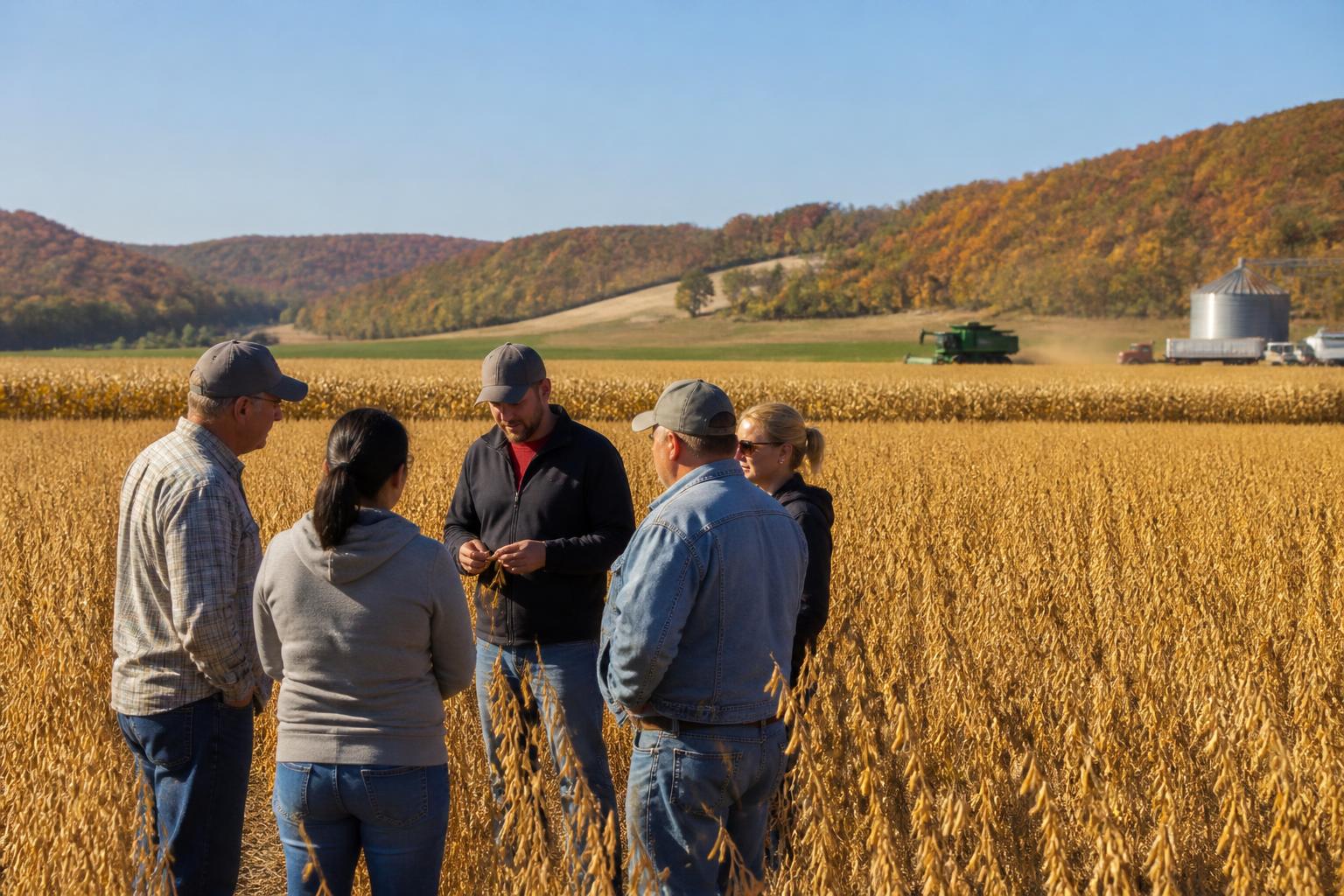
As we transition into the heart of the fall season, Nevada’s agricultural community is once again balancing the complexities of regional logistics with the ongoing need for input stability. For producers across the state, from the northern ranching valleys to the growing agricultural corridors near the urban centers, the current market climate demands a proactive approach to managing seasonal inputs and transport coordination.
Maintaining efficiency during this busy period often requires close attention to the intersection of supply chain reliability and local infrastructure capacity. Whether coordinating the delivery of soil amendments or ensuring that field-to-market pathways remain unobstructed, the volatility in broader agricultural sectors can ripple through local operations, often leading to increased pressure on transportation costs and scheduling.
Input Stability and Regional Logistics
The reliability of essential inputs remains a top priority for Nevada agribusinesses. As local operators evaluate their requirements for the coming months, there is a continued focus on securing consistent supply chains for fertilizers and other soil health products. Given the geographic spread of the state, logistical bottlenecks can emerge quickly, often tied to shifts in regional road demand and the availability of specialized freight services.
Furthermore, growers are increasingly looking at ways to integrate balanced nutrient management strategies that mitigate both rising costs and the logistical strain of high-volume deliveries. Ensuring that on-farm storage and application timelines are aligned with carrier availability can provide a necessary buffer against unexpected supply disruptions, a practice that has become increasingly standard for Nevada’s commercial producers.
Adapting to Evolving Market Pressures
Effective management in the current Nevada market also involves staying attuned to broader environmental and economic factors that influence local transport. With the state's unique terrain, maintaining consistent access to key grain and input storage sites is vital during periods of high harvest activity. Producers who maintain strong communication with their logistics partners are typically better positioned to navigate these seasonal fluctuations, ensuring that critical supplies reach their destination despite the inherent challenges of Nevada's regional infrastructure.
What it means for the market: The primary takeaway for Nevada producers this fall is the importance of forward planning and maintaining diversified supply relationships. By anticipating logistical hurdles and focusing on input stability well ahead of peak seasonal demand, agribusinesses can better shield themselves from the volatility currently impacting both domestic and international markets.
Comments
No comments yet - be the first to share your take.