
Logistics and the Global Grain Chain
As we navigate the current fall season, Nevada producers and grain handlers remain attentive to the ripple effects of global agricultural volatility. While Nevada operates within a unique, semi-arid regional context, national and international logistics trends often influence the cost-efficiency of moving inputs and finished commodities. Disruptions in global export channels, which can pressure shipping costs elsewhere, serve as a reminder for local elevators and logistics providers to prioritize efficient routing and timely inventory management to mitigate potential margin squeezes.
Adapting to Input Market Shifts
For many across the Silver State, the fall represents a critical window for evaluating upcoming production requirements. Producers are increasingly looking toward precision agriculture and specialized inputs, such as advanced coatings, to maximize resource efficiency in the face of variable seasonal conditions. Making smart choices when you sell grain in Nevada is just one part of the equation; aligning those efforts with stable input procurement strategies remains essential for long-term farm resilience.
Building Sustainable Regional Frameworks
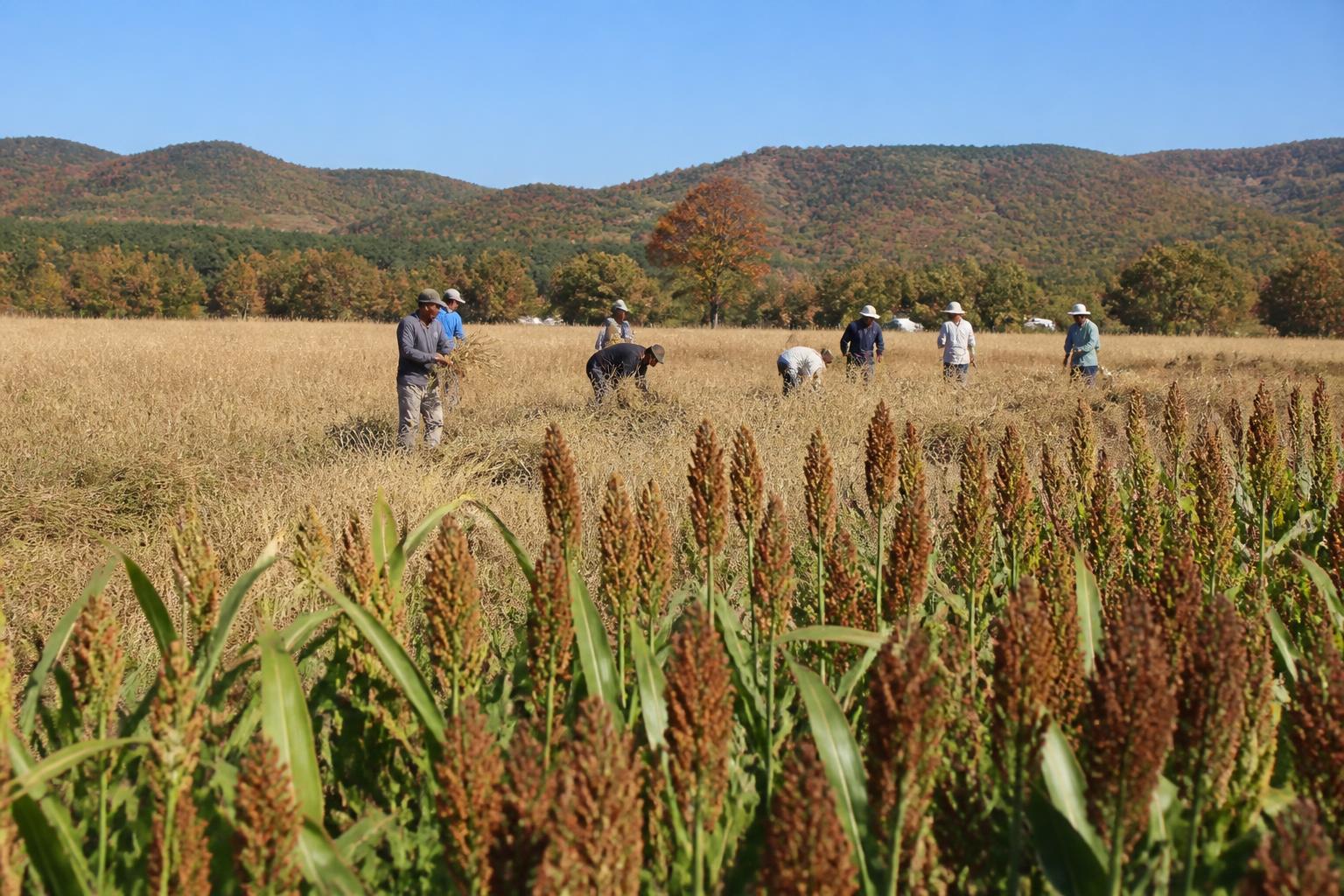
The emphasis on sustainable practices is growing, with recent interest in developing high-value, drought-resistant crop varieties that align with the state's specific environmental constraints. Whether managing water-intensive rotations or integrating new, resilient sorghum lines, the focus for many operations is moving toward maintaining output quality while reducing dependency on volatile input markets. Engaging in proactive input management strategies during the off-season can provide a buffer against the pricing fluctuations that often characterize the broader commodity landscape.
What it means for the market
The current market environment encourages a disciplined approach to both sales and supply chain oversight. By keeping a close watch on regional logistics costs and prioritizing input efficiency, Nevada agribusinesses can better navigate the seasonal transition. Expect volatility in input pricing to continue, making local planning and relationship-building with regional suppliers more vital than ever for maintaining operational profitability throughout the coming months.
Comments
No comments yet - be the first to share your take.