
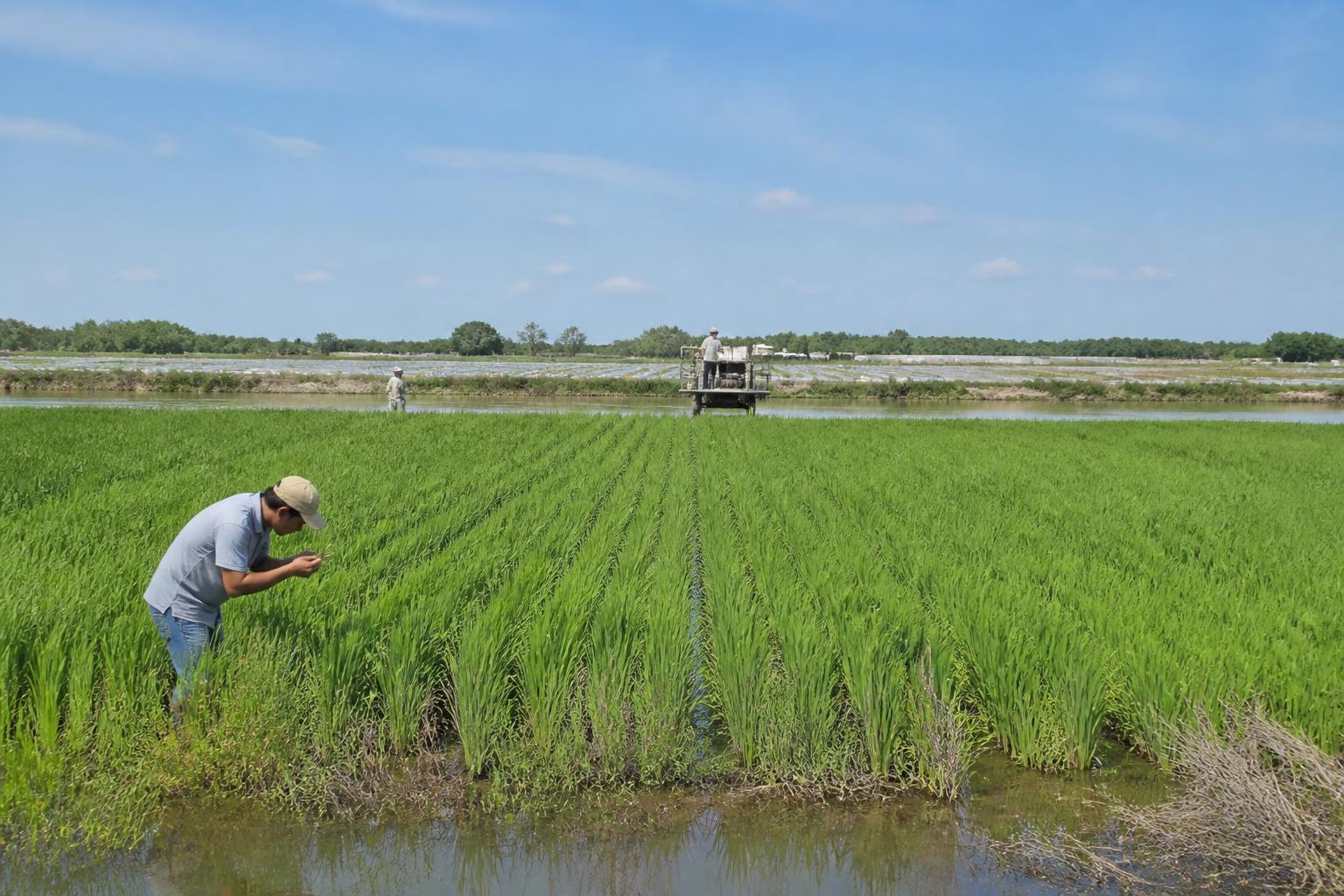
As Louisiana enters the heat of summer, growers across the state's diverse agricultural landscape - from the southern Acadiana rice-crawfish basins to the fertile cotton fields of the northern parishes - are facing a complex array of biological pressures. Effective pest management and proactive crop protection have become paramount as invasive species and aggressive pathogens threaten yields and disrupt traditional crop rotations.
With high humidity and optimal breeding temperatures characterizing the gulf region's summer months, local agribusinesses must stay vigilant. Addressing these biological threats requires a mix of strict sanitation, chemical protection, and regulatory compliance to keep Louisiana's core commodities viable.
The Dual Threat in Rice and Crawfish Co-Culture
The symbiotic relationship between rice and crawfish is a cornerstone of Louisiana's agricultural economy, where flooded rice fields naturally provide forage and habitat for crawfish. However, the rapid spread of the invasive apple snail is complicating this delicate balance. These highly adaptable aquatic pests are causing severe problems for both rice and crawfish operations in Louisiana and neighboring Texas.
Apple snails damage young rice seedlings, clog critical irrigation equipment, and compete directly with crawfish for resources, which can severely reduce crawfish harvest efficiency. Managing these snails requires tailored aquatic pest controls that do not harm the commercial crawfish crop. This complex balancing act comes at a time when growers are already adjusting to shifting chemical standards, including adapting weed control in the post-dicamba era to protect sensitive adjacent fields.
Nematodes and Emerging Specialty Crop Pests
Specialty crop growers are also on high alert this summer. The guava root-knot nematode, widely recognized as one of the world's most aggressive nematode species, remains a top concern for sweet potato and vegetable producers. This subterranean pest is capable of causing complete crop failures and severely reducing the marketability of root crops. Because of its aggressive nature, control relies heavily on strict sanitation of field machinery to prevent transfer between fields, alongside targeted chemical or biological soil treatments.
In southern Louisiana, specialty fruit operations are facing new pressures as well. A newly identified pest is threatening blueberry growers across the region, adding unexpected management costs to a sector already navigating volatile input prices and tight margins. Agricultural extension services are urging growers to monitor fruit plantings closely for early signs of infestation.
Cotton Monitoring and Regulatory Vigilance
For row-crop producers, regulatory compliance remains an active part of summer crop protection. The Louisiana Department of Agriculture and Forestry (LDAF) continues to enforce monitoring mandates for all cotton plants across the state. These ongoing surveillance programs are essential to maintain the state's boll weevil eradication status and ensure that late-season pest flare-ups do not compromise the upcoming fall harvest.
Cotton growers must cooperate with state trapping and monitoring programs, ensuring every acre is accounted for to prevent the re-establishment of historic pests that could devastate regional fiber markets.
Key Takeaways for Louisiana Producers
- Apple Snail Infestations: Monitor water inlets and levee banks closely, as these snails disrupt irrigation infrastructure and degrade the rice-crawfish habitat.
- Guava Root-Knot Nematode: Prioritize equipment washing and seed-stock certification to avoid introducing this highly destructive pest to clean acreage.
- Statewide Cotton Mandates: Ensure compliance with all LDAF cotton monitoring rules to protect the state's pest-free status.
What it means for the market
Louisiana's agricultural economy relies heavily on fragile biological systems. As aggressive pests like apple snails and guava root-knot nematodes expand their range, input costs for targeted crop protection are expected to rise. Elevators, input suppliers, and growers must emphasize early detection and integrated pest management (IPM) strategies to protect crop quality and preserve operational margins heading into the late summer and fall harvest seasons.
Comments
No comments yet — be the first to share your take.