
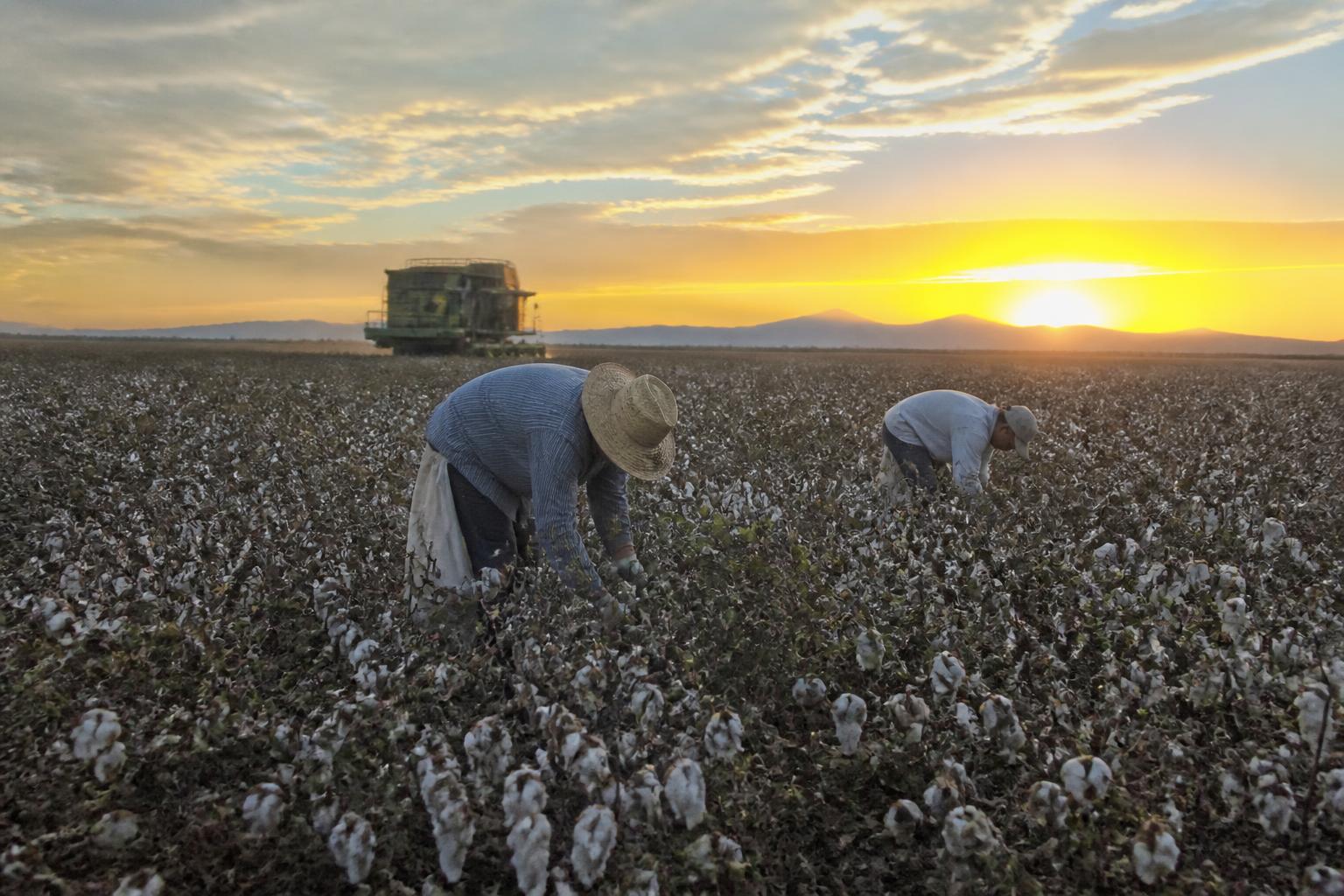
As the Arizona cotton harvest progresses, growers across the state are focusing on optimizing efficiency while managing the logistical nuances of a high-stakes season. For many in the region, the balance between field output and transport availability remains a primary concern as producers look to move product through established supply chains.
Producers are balancing these immediate harvest requirements with ongoing efforts to improve production standards. Recent initiatives, such as logistics and market realities in the Southwest, highlight how regional farmers are adapting to operational headwinds. Whether dealing with equipment maintenance or the complexities of local storage, the focus remains on ensuring that product quality is maintained from the field to the gin.
Infrastructure and Market Flow
The movement of agricultural commodities in Arizona often relies on tight coordination between local transport networks and processing facilities. Maintaining reliable access to major transport corridors is vital, especially when seasonal demand peaks. Navigating seasonal pressures in agricultural infrastructure is a perennial challenge, requiring producers to stay ahead of potential bottlenecks that could delay transit times for harvest-ready goods.
Furthermore, the broader landscape of the industry is undergoing shifts in how assets are managed. As consolidation trends continue to influence the sector, producers are paying closer attention to the companies and partnerships that underpin their regional produce networks. These developments often impact the rising costs and infrastructure pressures that many operations currently face, making strategic planning more important than ever.
What it means for the market
For the remainder of the season, the ability to manage logistical variables will likely serve as a differentiator for profitability. Farmers and grain handlers who prioritize proactive equipment checks, clear communication with transport providers, and awareness of regional processing constraints are better positioned to mitigate the impacts of seasonal volatility. Staying informed on regional infrastructure updates and labor dynamics remains essential for those looking to maintain steady throughput in a competitive market environment.
Comments
No comments yet - be the first to share your take.