
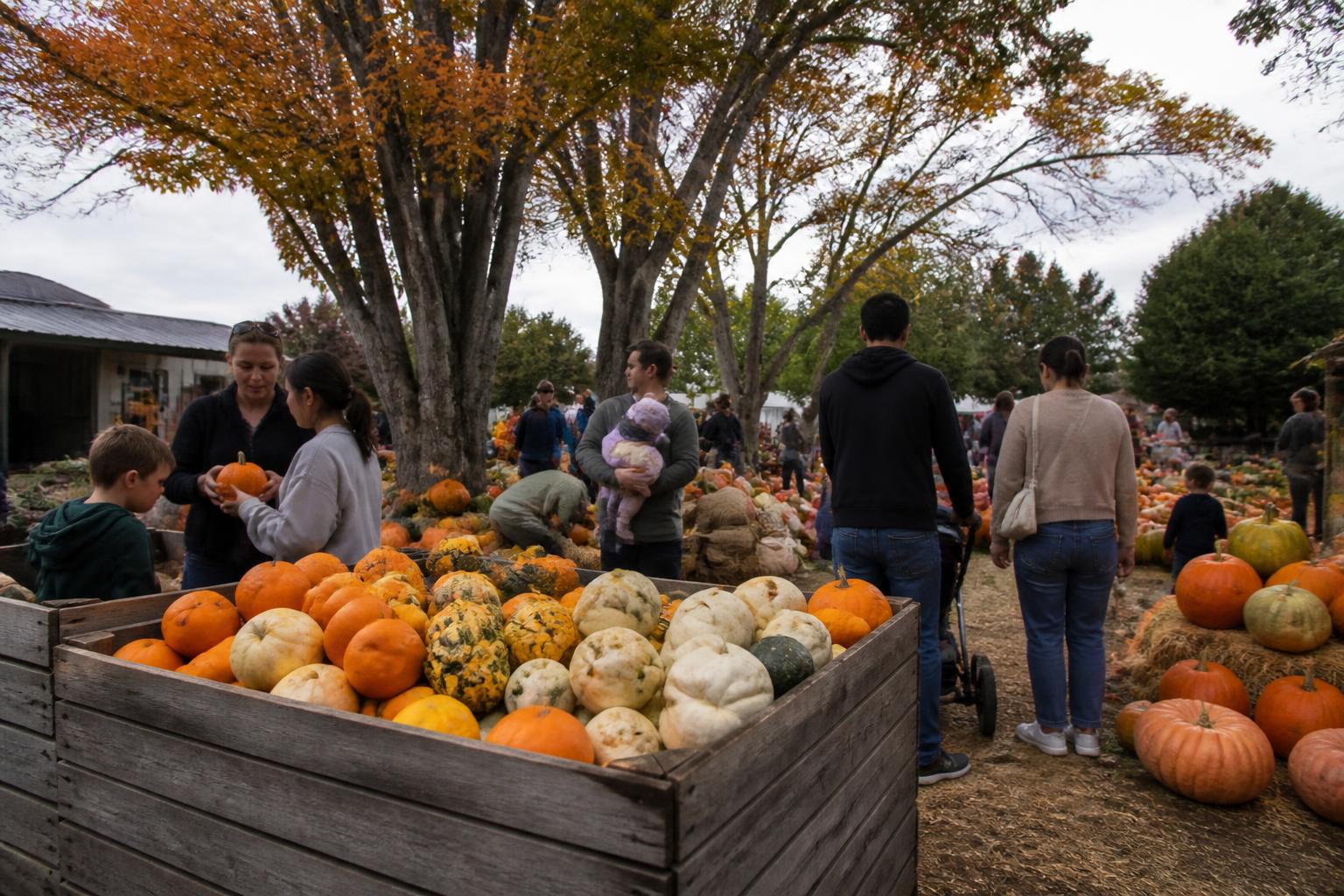
The arrival of fall in New Jersey marks a critical period for agricultural logistics, as producers transition into high-volume harvest cycles. For grain handlers and transport providers, this season brings the perennial challenge of managing tight windows for crop movement, often exacerbated by the state's dense traffic corridors and regional infrastructure constraints.
As operations ramp up, staying informed about New Jersey harvest logistics and throughput capacity remains essential for maintaining margins. Effective coordination between local elevator intake schedules and long-haul transport logistics can help mitigate the bottlenecks that typically emerge during the peak of the fall season.
Regulatory and Economic Influences on Production
Beyond logistics, New Jersey's agricultural community continues to adapt to a complex environment. Recent legislative discussions regarding pesticide usage are prompting many farmers to reconsider their long-term input strategies. Understanding how these regulatory shifts influence nutrient management and input planning is now a necessary component of seasonal operations. Agribusinesses are advised to monitor these changes closely, as they may affect both input costs and field-level application windows throughout the coming months.
Adapting to Market Dynamics
The state's agricultural sector is also seeing increased emphasis on localized resilience and land preservation. With the state continuing to lead in efforts to address farmland loss, many family-run operations are finding new ways to diversify, including niche crop expansion and direct-to-consumer market engagement. These shifts in the local supply chain can influence the types of vehicles and storage solutions required, necessitating a flexible approach to farm-to-market logistics.
For those managing the flow of commodities, the interplay between state policy and regional economic conditions underscores the need for proactive planning. As reported in recent updates on New Jersey agribusiness and harvest pressures, early communication with transport partners and input suppliers can provide a significant advantage in controlling overhead during volatile windows.
What it means for the market
For New Jersey farmers and agribusinesses, this fall is defined by the need for agility. Balancing the immediate demands of the harvest with the long-term adjustments required by shifting environmental regulations and logistics constraints will be key. Operators who prioritize efficient route planning and secure early access to input supplies may be better positioned to navigate the seasonal throughput pressures common to the Mid-Atlantic region.
Comments
No comments yet - be the first to share your take.