
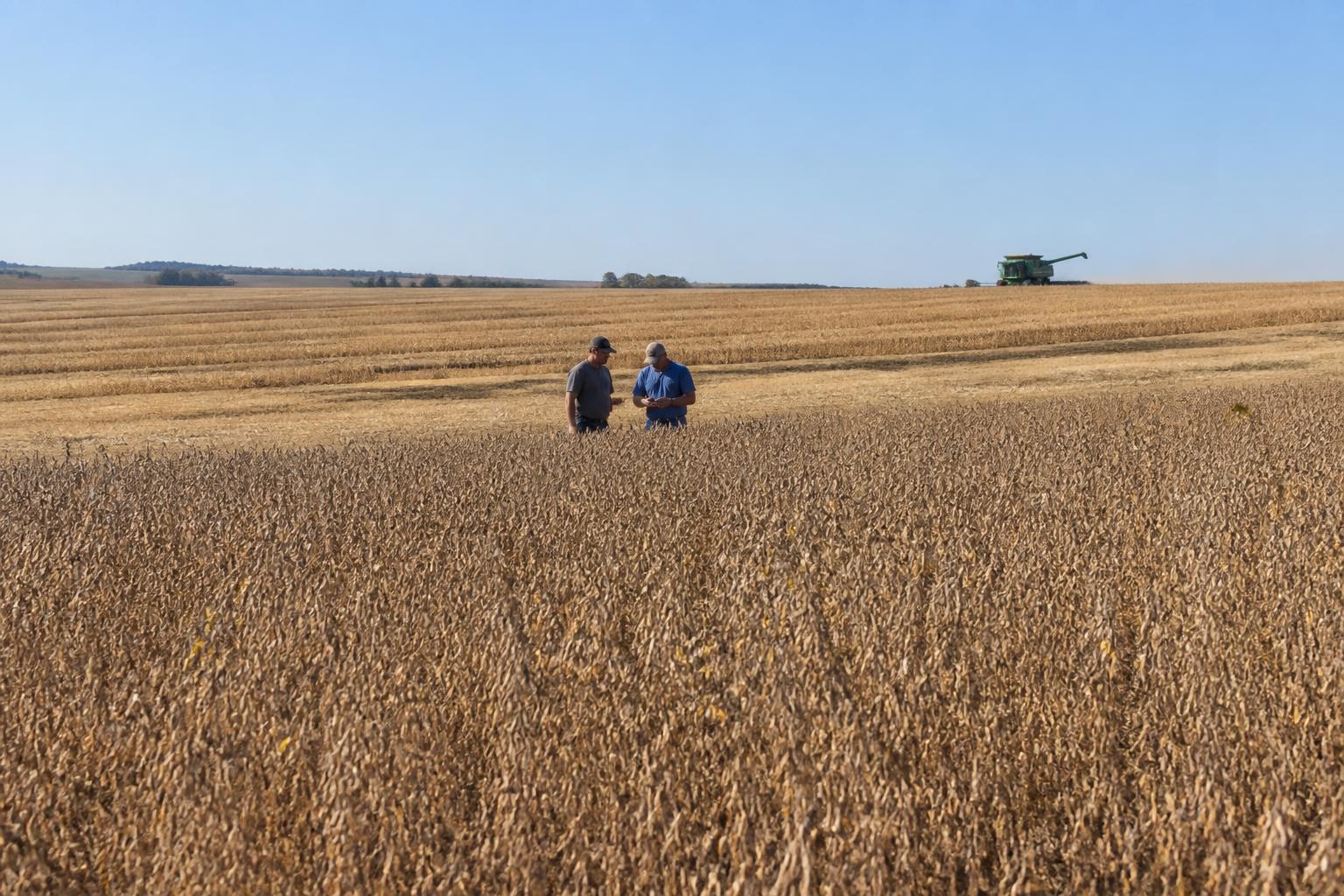
As the fall season progresses across North Dakota, producers are evaluating a complex landscape defined by varied crop health and emerging structural changes in the agricultural economy. While some northern regions have reported spring wheat yields performing above initial expectations despite mid-summer heat stresses, the broader market remains sensitive to logistical and input-related pressures.
For those managing grain movement, staying current on regional capacity and elevator logistics is essential. Insights into current grain buyers, sellers and price trends in North Dakota remain a critical tool for operators looking to optimize their post-harvest sales strategies during this period of market volatility.
Input Dynamics and Fertilizer Access
Beyond the field, the supply chain for essential inputs continues to evolve. Recent activity indicates a growing interest in farmer-led initiatives aimed at diversifying nitrogen fertilizer sources. This development is particularly relevant as producers monitor federal policy probes into large fertilizer distributors, which may have implications for regional supply security. Maintaining awareness of these macro-level shifts can help farmers anticipate potential price fluctuations and procurement hurdles for the upcoming planting cycle.
Resource Management and Risk Assessment
Challenges persist for specialty crop growers, particularly those involved in dry bean production, who are navigating an increasingly difficult economic environment. Concurrently, agricultural stakeholders are paying close attention to updates in federal programs. The recent reversal of specific crop insurance changes has been broadly welcomed by farm groups, providing a measure of stability in how producers approach risk management for the next growing season.
For a deeper look at the broader logistical and policy landscape impacting the state, review our latest market overview on infrastructure and policy.
What it means for the market
The convergence of resilient wheat yields and changing input structures suggests a season of transition. While harvest operations remain the primary focus, the ability to pivot sales strategies based on real-time regional data and long-term supply chain security will likely separate top-performing operations. Monitoring how these variables translate into local basis levels will be crucial as we move deeper into the fall marketing window.
Comments
No comments yet - be the first to share your take.