
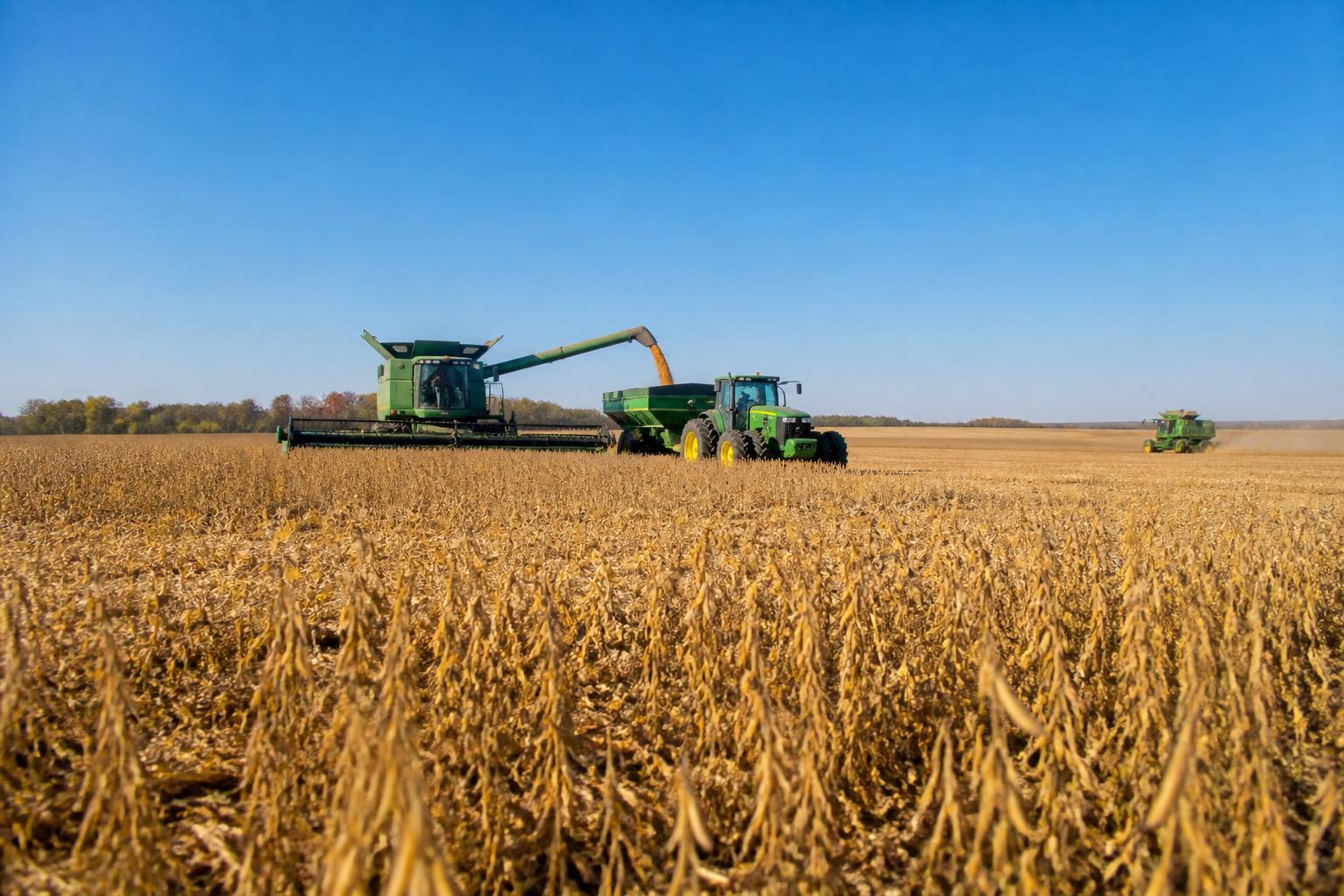
As the fall harvest progresses across North Dakota, agricultural producers are managing a complex mix of regulatory updates and long-term infrastructural developments. These shifts carry implications for both large-scale operations and local agribusinesses as they navigate a season defined by both market volatility and regional growth initiatives.
Infrastructure and Regulatory Landscape
The state continues to see significant interest in agricultural infrastructure, marked by ongoing investments in research and processing. Recent funding injections for facilities like the Grand Farm demonstrate a sustained push toward modernizing regional operations, which may help long-term productivity. However, projects involving land use and environmental infrastructure often face regulatory pushback. For example, recent developments regarding carbon storage permits illustrate the tension between industrial expansion and land stewardship that many producers are monitoring closely.
Transportation logistics remain a focal point for North Dakota elevators and grain handlers, as consistent access to rail networks is essential for moving commodities to market. Keeping an eye on broader logistics trends remains critical, as infrastructure and ag-tech advancements shape fall logistics across the state. Producers who stay informed on regional transport bottlenecks and storage permit shifts are often better positioned to adapt their marketing strategies during peak harvest windows.
Looking Ahead: Financial Stability and Sector Growth
Looking toward the 2025 outlook, many growers are evaluating the potential for disaster-related financial support to bolster on-farm income. With federal agencies continuing to navigate staffing constraints, producers are increasingly prioritizing clarity in farm bill support and risk management. Discussions regarding improvements to crop insurance remain a key theme for organizations looking to provide a safety net against climate-induced yield fluctuations.
Furthermore, the prospect of diversifying into expanded animal agriculture remains an area of interest, potentially creating new local demand for feed and manure management. As growers look for stable revenue streams, understanding how these market volatility and infrastructure updates shape fall harvest decisions is vital for maintaining margins in an uncertain trade environment.
What it means for the market
For the North Dakota agricultural sector, this period is characterized by resilience and strategic planning. While regulatory hurdles for infrastructure projects may cause temporary uncertainty, the combined focus on research, technology, and potential financial support suggests a landscape actively preparing for future challenges. Farmers and local agribusinesses should continue to monitor how these regional developments align with their specific operational needs and storage requirements as the season concludes.
Comments
No comments yet - be the first to share your take.