
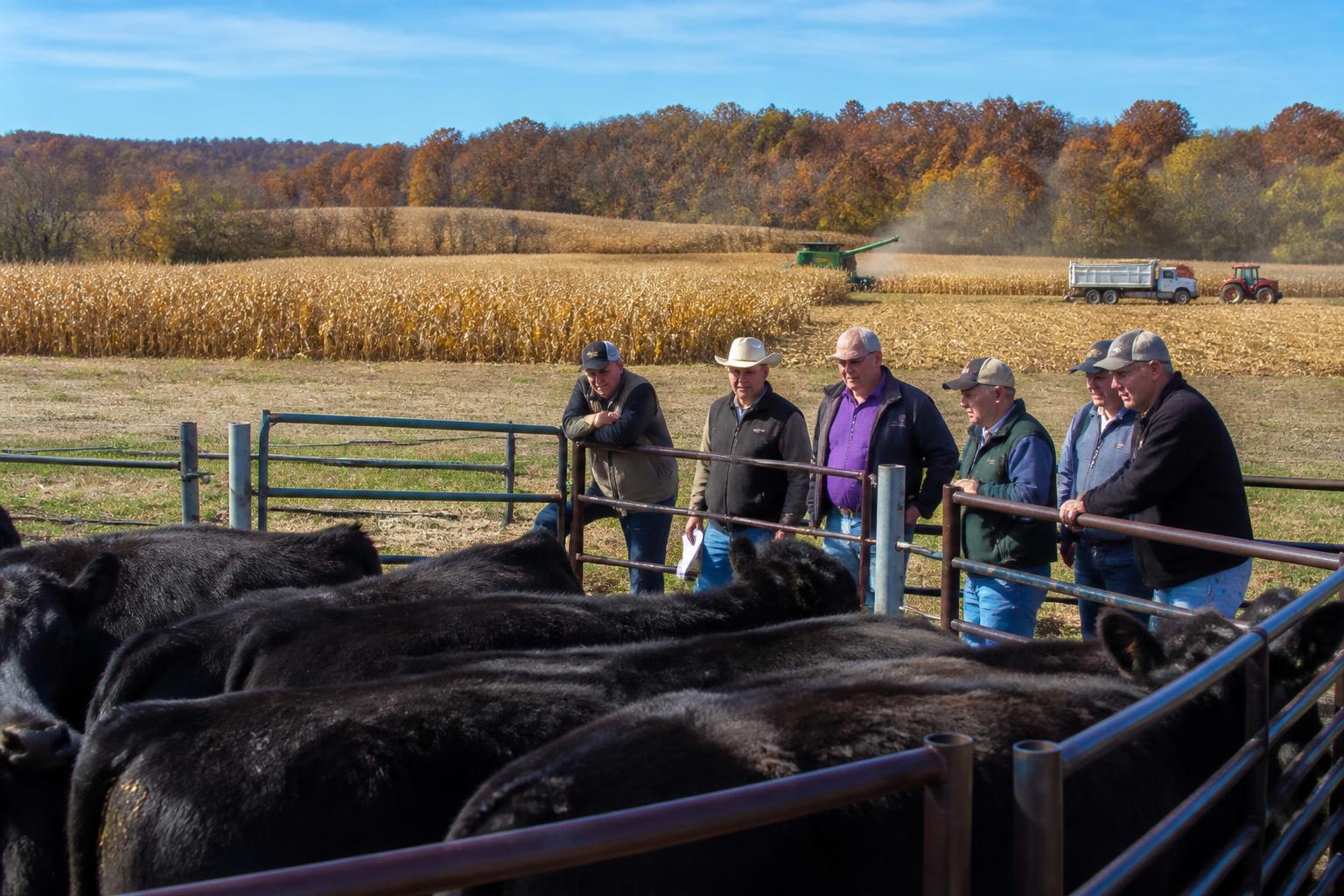
As the fall harvest season ramps up across Tennessee, farmers are turning their focus to field conditions and the logistics of moving early-season grain. While conditions have been variable, some regions in Central Tennessee have contended with drying trends, which can influence crop development and moisture levels at the time of intake. Managing these fluctuations is critical for producers looking to optimize their strategic logistics as harvest ramps up this month.
Monitoring Crop Conditions and Logistics
For grain handlers and carriers, the transition into peak harvest necessitates careful preparation. As highlighted in recent logistics outlooks for the state, maintaining equipment readiness and adhering to weight standards remains a priority for ensuring efficient movement from field to elevator. With drying conditions affecting some areas, grain quality and moisture management at local facilities may require closer coordination between operators and regional transport providers.
Resource Management and Market Connectivity
Beyond the immediate field operations, Tennessee continues to see developments in agricultural support, including increased cost-share opportunities for livestock producers that can influence local demand cycles. Furthermore, as growers finalize their plans to sell grain in Tennessee, staying informed on current market movements is essential. Farmers and agribusinesses are encouraged to monitor state-level updates to ensure their operations align with current regional standards and capacity constraints.
What it means for the market
Producers should prioritize early-season communication with local elevators and transport partners to account for localized yield variability and potential moisture-related intake adjustments. By staying proactive with logistical planning and monitoring regional soil conditions, Tennessee agribusinesses can better navigate the complexities of this fall's harvest window.
Comments
No comments yet - be the first to share your take.