
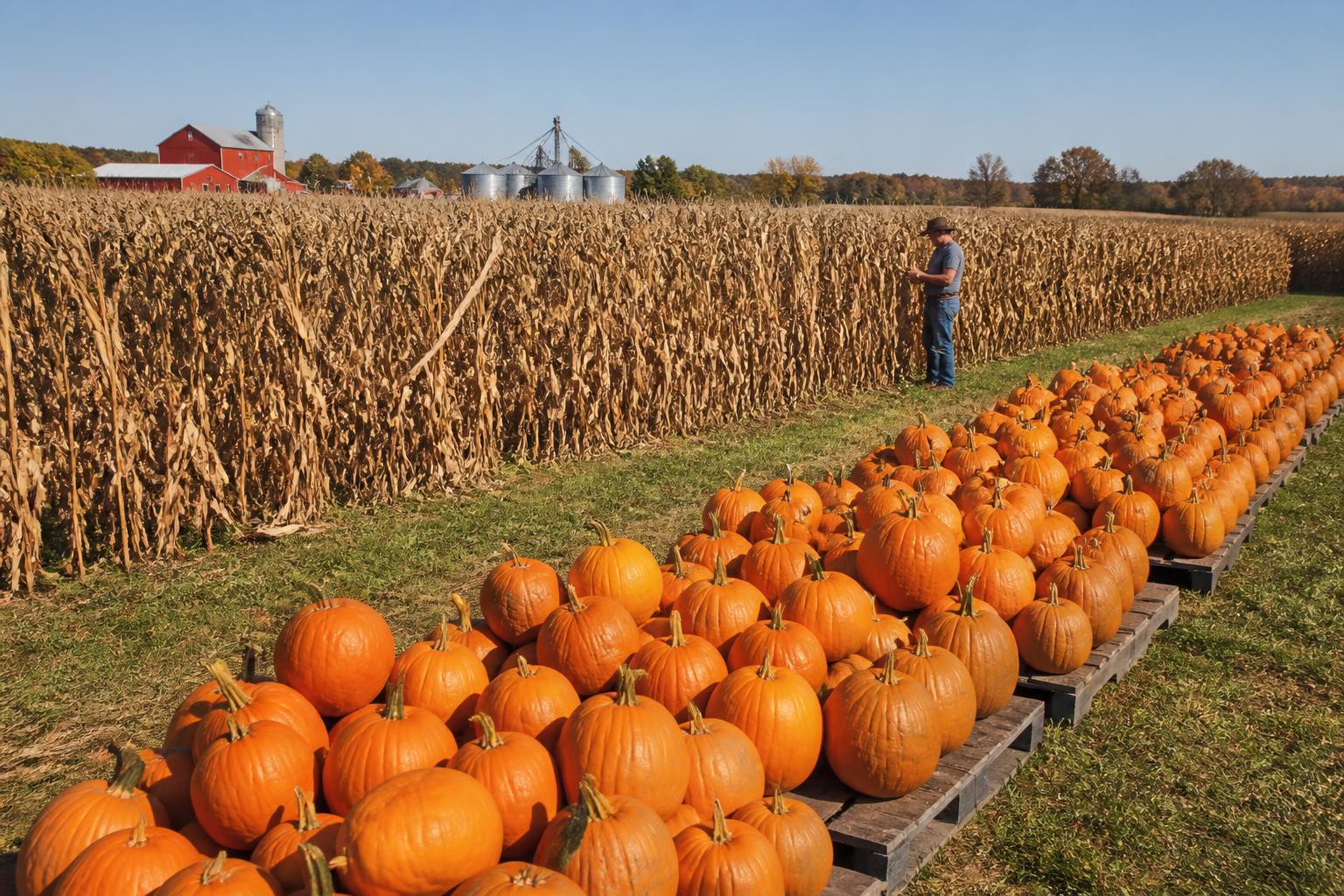
With the peak of the fall season underway, Maryland's agricultural community is focused on the critical task of moving grain from the field to storage and processing facilities. Efficiency in this phase is often dictated by the ability to navigate regional road infrastructure and manage shifts in local transport capacity. As harvesting intensifies across the state, ensuring that logistics remain fluid is a priority for farm operations, ranging from the Eastern Shore to the rolling fields of Western Maryland.
For many producers, the current environment underscores the importance of staying ahead of potential supply chain bottlenecks. Regional hubs, including those situated near key port access points and major transport corridors, often experience heightened activity as seasonal volume increases. Maintaining reliable relationships with local carriers and being aware of current route conditions can help mitigate the risks associated with the high-traffic harvest months.
Optimizing Movement in a Busy Season
Managing the flow of commodities requires careful coordination, especially when logistics networks are stretched. Producers often find success by utilizing synchronized transit planning to ensure that trucks and equipment are deployed efficiently. In areas where infrastructure might be limited or under maintenance, proactive communication with regional elevators can prevent long wait times at receiving docks.
Furthermore, staying informed on infrastructure performance and potential road restrictions remains a standard practice for many Maryland operators. Whether moving corn or soybeans, balancing storage capacity on the farm with timely off-site delivery is essential for maintaining cash flow and keeping equipment running throughout the busy window.
Building Resilience Through Data
Agribusinesses across Maryland continue to adopt smarter planning tools to navigate the complexities of harvest logistics. While systemic challenges like regional transit capacity are often outside of a farmer's direct control, the ability to anticipate delays through informed traffic management provides a significant advantage. As the season progresses, focusing on reliable transport partnerships and maintaining clear communication with grain buyers will remain the best defense against seasonal uncertainty.
What it means for the market: For Maryland farmers and grain handlers, the focus for the remainder of the season is on precision and preparedness. With harvest activity hitting its stride, those who maintain agility in their logistics planning—prioritizing regional transit efficiency and proactive communication with elevator partners—are better positioned to protect margins and ensure their crops reach their destination on schedule.
Comments
No comments yet - be the first to share your take.