
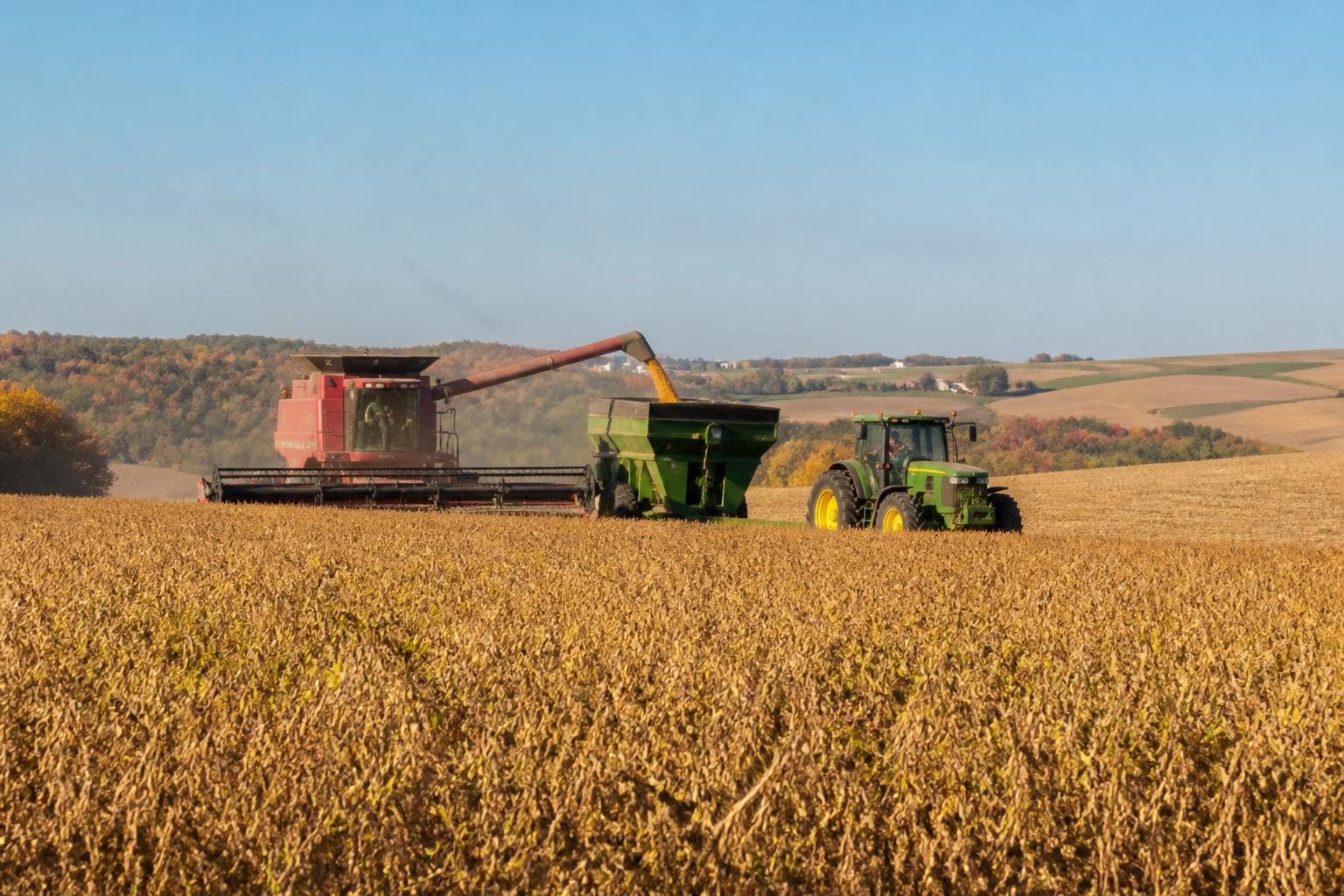
As the fall harvest season gathers momentum across New York, agricultural producers and grain handlers are balancing the pressure of field operations with the complexities of regional logistics. Efficient movement from field to bin, and eventually to terminal, remains a cornerstone of profitability during this busy window. With harvest variability across counties, many operations are turning to integrated digital platforms to better track grain stocks and coordinate transport capacity in real time.
For those managing the flow of commodities, utilizing modern logistical frameworks is increasingly vital. Whether moving product through major transit corridors or managing local storage in smaller hubs, ensuring equipment is staged appropriately can mitigate bottlenecks. Many operators are also evaluating how to optimize on-farm storage to bypass immediate post-harvest market dips, a strategy that often depends on precise inventory tracking and localized supply chain stability.
Improving On-Farm Efficiency
Technology has become an essential layer in modern grain management. By adopting app-based tracking systems, producers can maintain clearer visibility into their grain inventories, which helps in making data-backed decisions on when to sell or hold. This shift toward digitization is helping many agribusinesses navigate the current supply chain realities and respond more effectively to shifting demand signals.
Furthermore, regional cooperation among farmers and local elevators often yields better transport outcomes. Sharing information on equipment availability and road conditions can reduce the idle time for trucks and tractors, ensuring that the critical window for bringing in the crop is maximized. These efforts, while localized, contribute to the broader resilience of the state's agricultural backbone.
Aligning with Market Realities
While global commodity fluctuations remain a factor in long-term planning, the immediate focus for New York growers is the reliable execution of the fall harvest. Producers who stay updated on market trends and logistical shifts are generally better positioned to capitalize on pricing windows, even when facing localized transportation constraints.
What it means for the market: For carriers, elevators, and farmers, the priority this season is consistency in logistical planning. By integrating digital tracking tools and keeping a close eye on regional supply chain performance, the New York agricultural sector can maintain strong output flow throughout the fall. Staying ahead of potential downtime in the transport chain will remain the primary differentiator for successful operations as the season progresses.
Comments
No comments yet - be the first to share your take.