
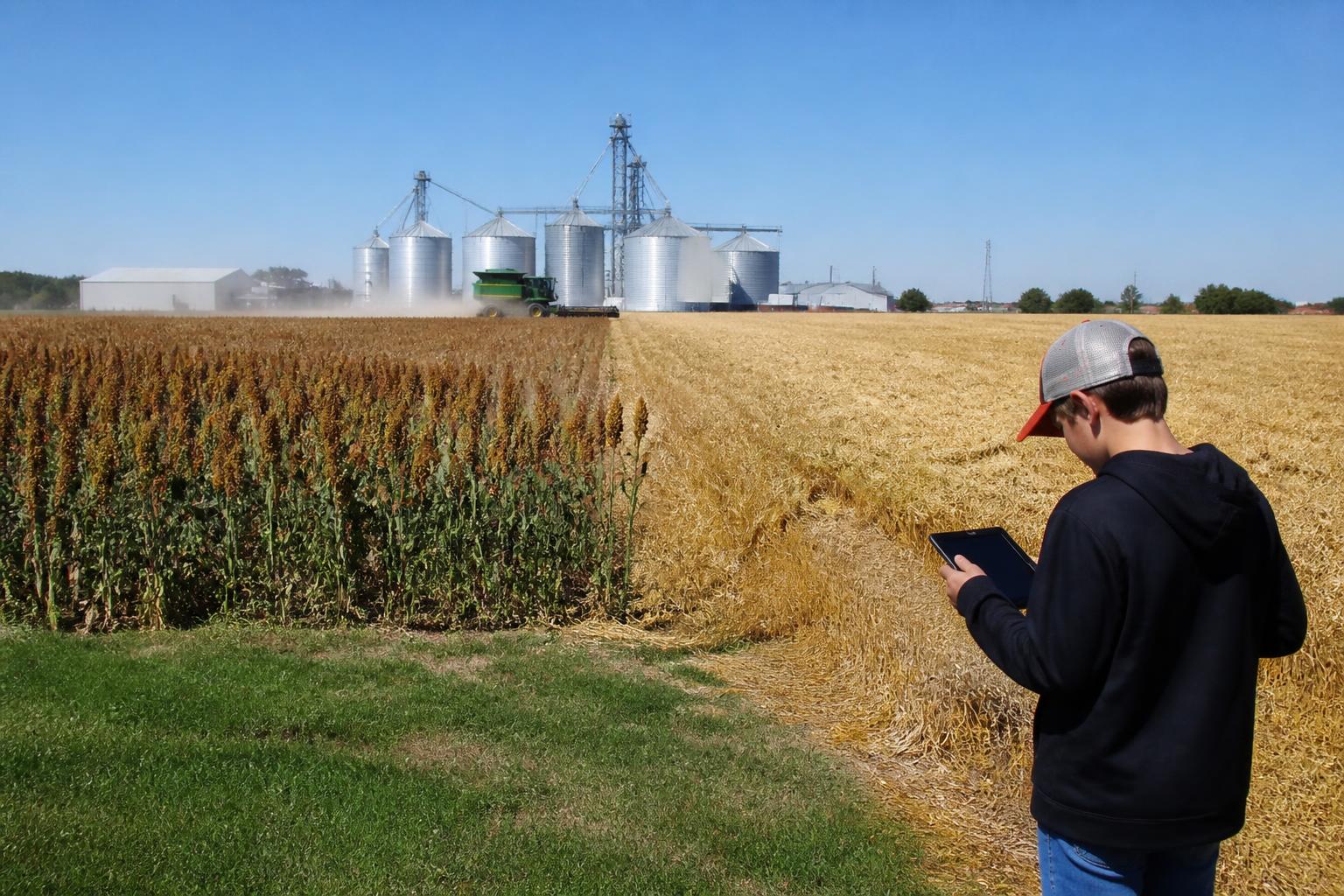
The Kansas grain landscape is currently undergoing a period of structural adjustment as harvest activity picks up momentum. Local handlers are adapting to new operational arrangements, with notable developments such as the Scott Cooperative Association recently securing leases for three additional facilities from Scoular. This expansion in capacity reflects an ongoing effort to manage regional storage needs and streamline local grain flow during this high-activity window.
Infrastructure and Logistical Bottlenecks
Effective grain logistics remain a primary focus for elevators and producers alike. While storage capacity is being optimized, the broader transport network continues to face scrutiny. Concerns regarding rail labor relations often surface during peak movement periods, leading to apprehension about potential service disruptions that could hamper the efficient export of winter wheat and other commodities.
For those managing infrastructure expansion, these logistical variables are critical. Market participants are advised to maintain close communication with rail partners and local trucking fleets, as fluctuating demand can quickly tighten available transport windows, potentially driving up costs for those without secure logistics contracts.
Regional Efficiency and Market Vigilance
As the state moves further into the fall, monitoring input costs and facility efficiency is essential. Beyond transport, producers are also looking toward broader economic indicators, including federal policy discussions on the Farm Bill, which may influence long-term input cost management strategies. Maintaining high operational standards remains the best hedge against the volatility inherent in both global pricing and domestic supply chains.
What it means for the market
Farmers and agribusinesses should prioritize building flexibility into their harvest plans. With shifting storage footprints and potential rail inconsistencies, securing reliable, secondary transport options early may mitigate the risk of delivery delays. Those involved in moving grain across Kansas corridors should remain vigilant regarding labor updates, as even minor service lags can ripple through the regional system, impacting local cash bids and storage availability.
Comments
No comments yet - be the first to share your take.