
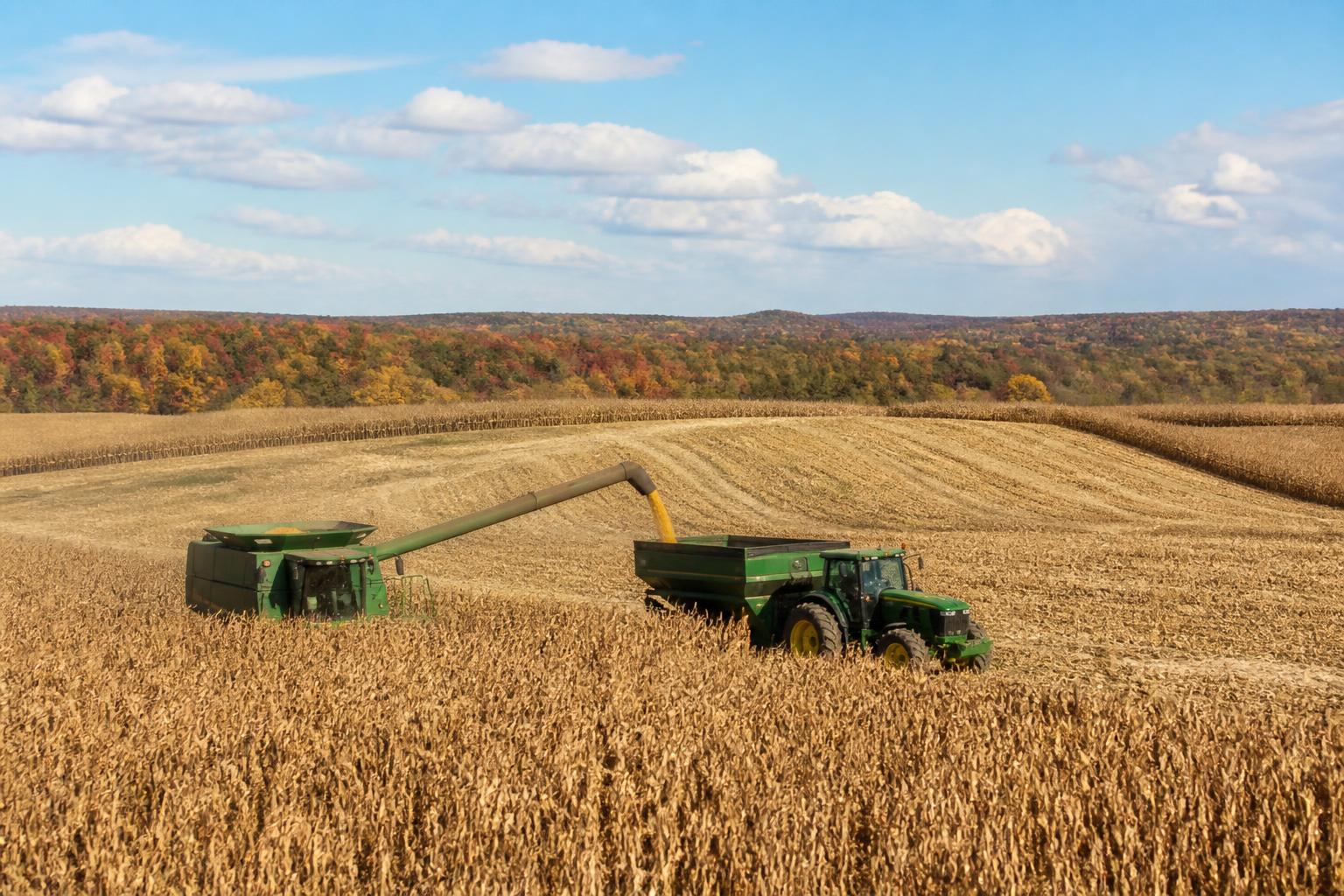
The agricultural landscape in Arizona is bracing for a period of transition as we move deeper into the fall season. With harvest activities gaining momentum across the state, particularly in the Yuma region, growers and logistics providers are closely monitoring infrastructure developments that promise to streamline supply chain movements. The anticipated arrival of new technology hubs is poised to change how regional producers manage their inputs and field operations.
Integrating these advancements requires a careful balance between traditional harvest logistics and the adoption of new precision tools. For local agribusinesses, staying ahead means understanding how these technological shifts might impact routine transportation and storage requirements. Ensuring that Arizona harvest logistics remain fluid during this period of innovation is essential for maintaining market competitiveness.
Aligning Tech Growth with Seasonal Logistics
As the sector prepares for the launch of specialized agricultural technology facilities in Yuma, carriers and farm managers should evaluate their current handling capacity. These facilities often require specific site access considerations, which may influence routing and transport timing during peak periods. In parts of the state where harvest traffic is already dense, these additions to the local infrastructure could provide welcome relief or create short-term bottlenecks during the integration phase.
Monitoring Market Inputs
Beyond infrastructure, the broader fertilizer and input market continues to show signs of sensitivity to sentiment and supply availability. While global trends often capture headlines, local farmers remain focused on the immediate availability of essential crop nutrients. Monitoring how these, combined with new site developments, influence the total cost of operation will be a primary task for farm managers throughout the remainder of the year.
What it means for the market: Arizona producers should prepare for a potentially tighter integration between data-driven technology and physical harvest logistics this fall. As these regional hubs come online, early planning regarding transport routes and input scheduling will be key to mitigating operational downtime and maximizing the benefits of the new ag tech ecosystem.
Comments
No comments yet - be the first to share your take.