
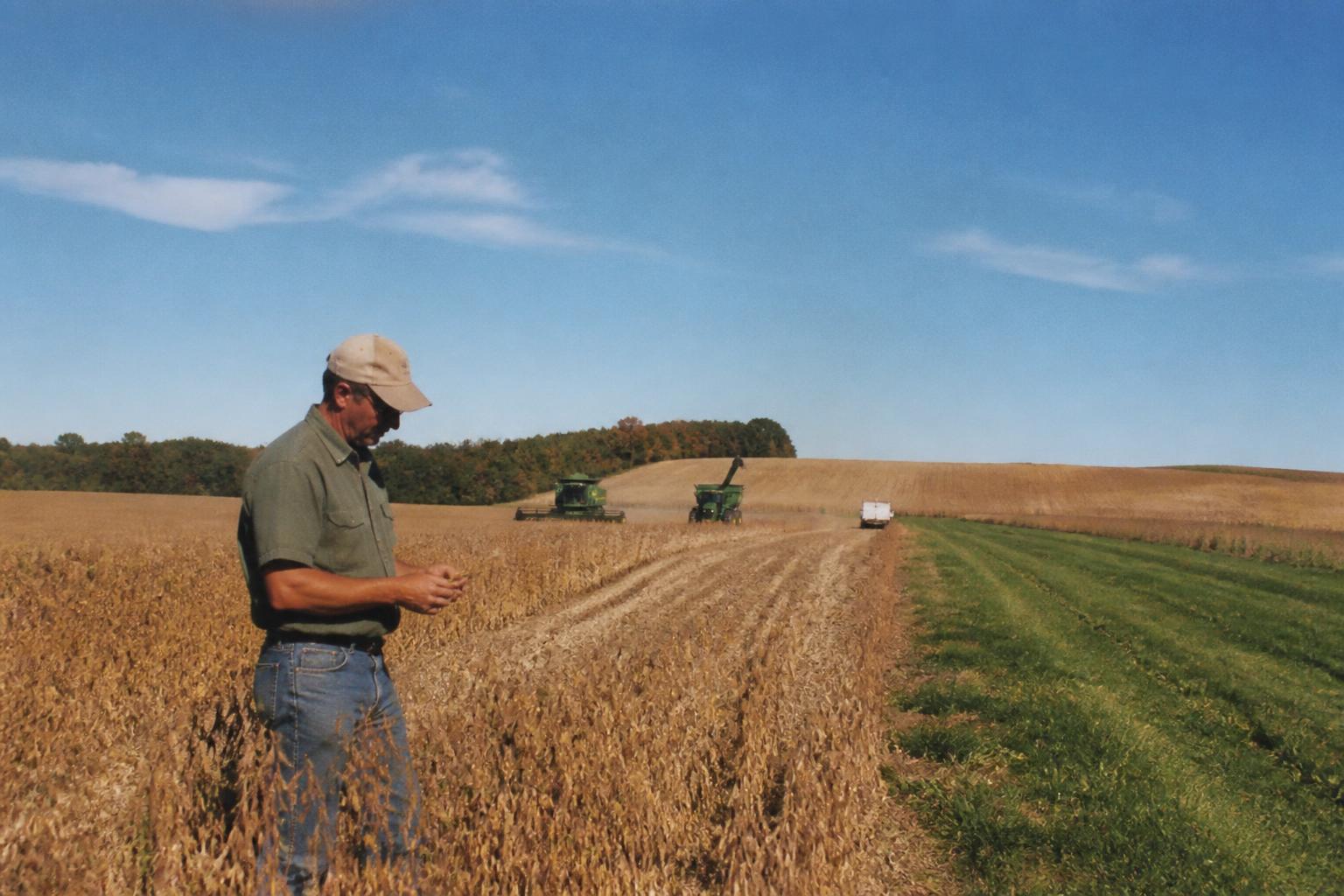
Navigating Harvest Logistics in Maine
As the Maine landscape shifts into the peak of the fall season, grain handlers and producers are turning their attention to the critical task of managing harvest logistics. Efficiency in the field during this time is often dictated by the ability to balance labor availability with the movement of equipment across regional corridors. For those working in Maine's primary agricultural hubs, ensuring that transport capacity is aligned with storage availability is a priority as producers prepare for the busy harvest window.
Asset Management and Financial Stewardship
In the current economic climate, the importance of separating operational risk management from fixed asset considerations has become increasingly clear for many agribusinesses. Producers are finding that modern lending and operational strategies often rely more heavily on proactive risk mitigation—such as crop insurance and diversified market planning—rather than relying solely on land or machinery collateral. This approach is helping farms maintain resilience even when legislative support fluctuates or market conditions shift unexpectedly.
Strategic Planning for Long-Term Viability
Whether navigating the nuances of grain storage or adjusting to changing land-use policies, such as the growth of solar energy installations, growers are urged to prioritize flexibility. As regional farms refine their strategic planning, those who integrate data-driven insights into their decision-making process are typically better positioned to navigate the complexities of the current agricultural market. Maintaining a close watch on regional input costs and logistical bottlenecks remains essential for those aiming to protect margins throughout the end of the year.
What it means for the market
The Maine agricultural sector is entering a period where operational discipline is rewarded. For farmers and handlers, the focus should remain on optimizing existing infrastructure to minimize downtime. As the season progresses, staying adaptable to both weather-related logistical challenges and evolving financial frameworks will be the defining factor for a stable and profitable harvest season.
Comments
No comments yet - be the first to share your take.