
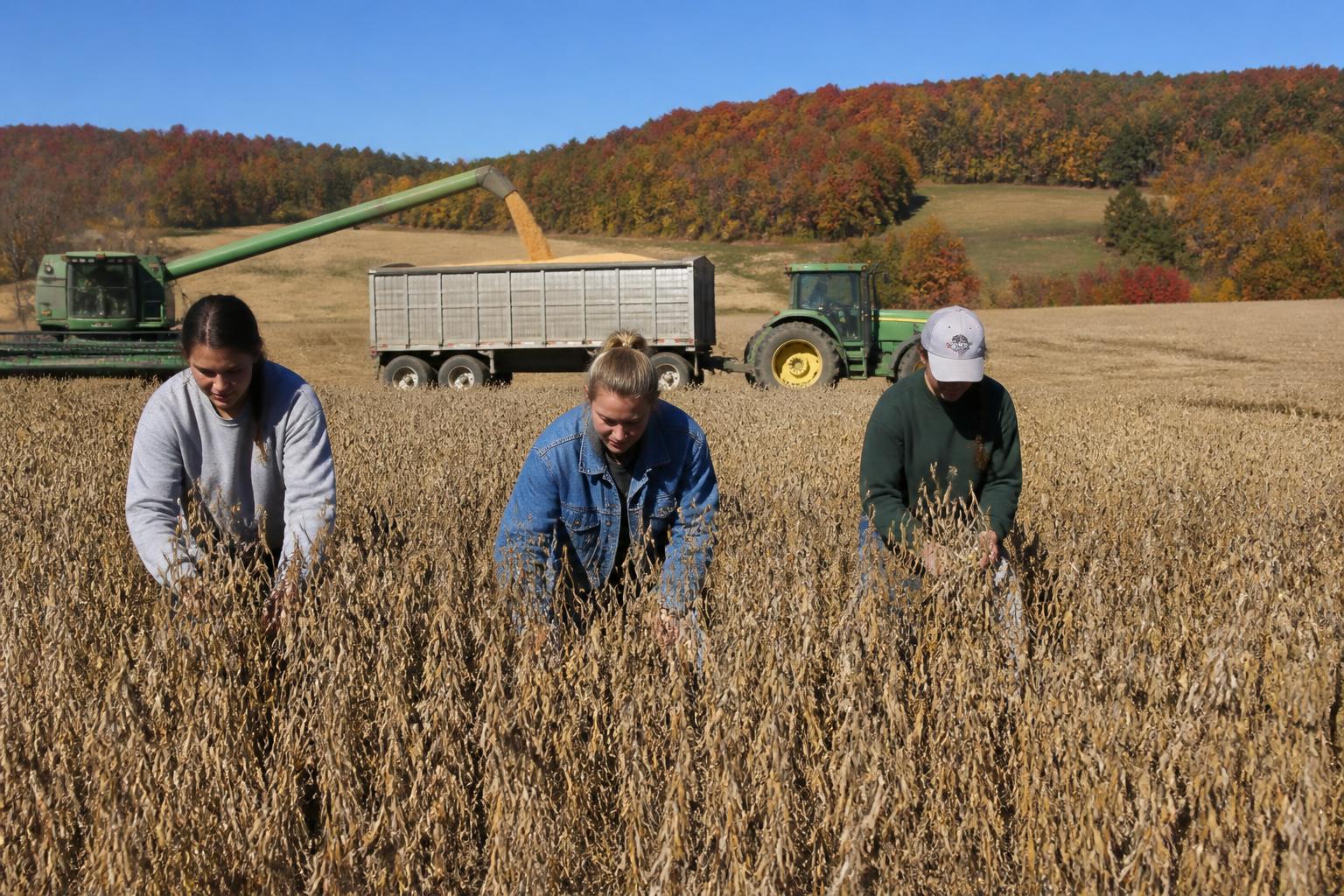
As Pennsylvania producers transition into the fall harvest window, the agricultural market is navigating a complex period of price sensitivity. Recent reports suggest that grain markets are facing sustained downward pressure, forcing many local farm operations to reassess their marketing strategies and storage capacity. For growers across the Commonwealth, from the fertile fields of Lancaster County to the expanding operations in the western regions, the focus is squarely on efficiency and timing.
Managing costs remains a primary concern for agribusinesses as they prepare for incoming crop volumes. While producers focus on yield optimization, the broader market continues to monitor the high costs of essential inputs. For more context on the current logistical environment, see Pennsylvania Agricultural Logistics: Positioning for a Busy Fall Season. Maintaining operational agility is essential when facing an environment where input prices may remain elevated, and grain prices provide little margin for error.
Protecting Yields and Managing Assets
Beyond the immediate concerns of grain pricing, local farmers are dealing with persistent agronomic challenges. Crop protection remains a high priority as producers watch for developments in disease pressure, such as early cases of tar spot. Protecting the crop from field to bin is more than a seasonal chore; it is a critical step in preserving the market value of what has been a challenging production year for some.
The integration of technology and the entry of new talent, including more women and young farmers, are bringing fresh perspectives to these traditional challenges. Whether through improved grain handling or precision agriculture, these groups are finding ways to navigate the current climate. However, the reliance on stable supply chains and effective crop management tools cannot be overstated as the harvest momentum builds.
What it means for the market
Farmers and grain handlers should prepare for a potentially compressed harvest schedule. With prices currently under pressure, the ability to store grain on-farm or move it efficiently to local elevators will likely determine the level of financial exposure for the season. Monitoring local basis levels and maintaining open lines of communication with carriers will be vital in the coming weeks to ensure that the fall harvest does not suffer from bottlenecks that could further impact thin profit margins.
Comments
No comments yet - be the first to share your take.