
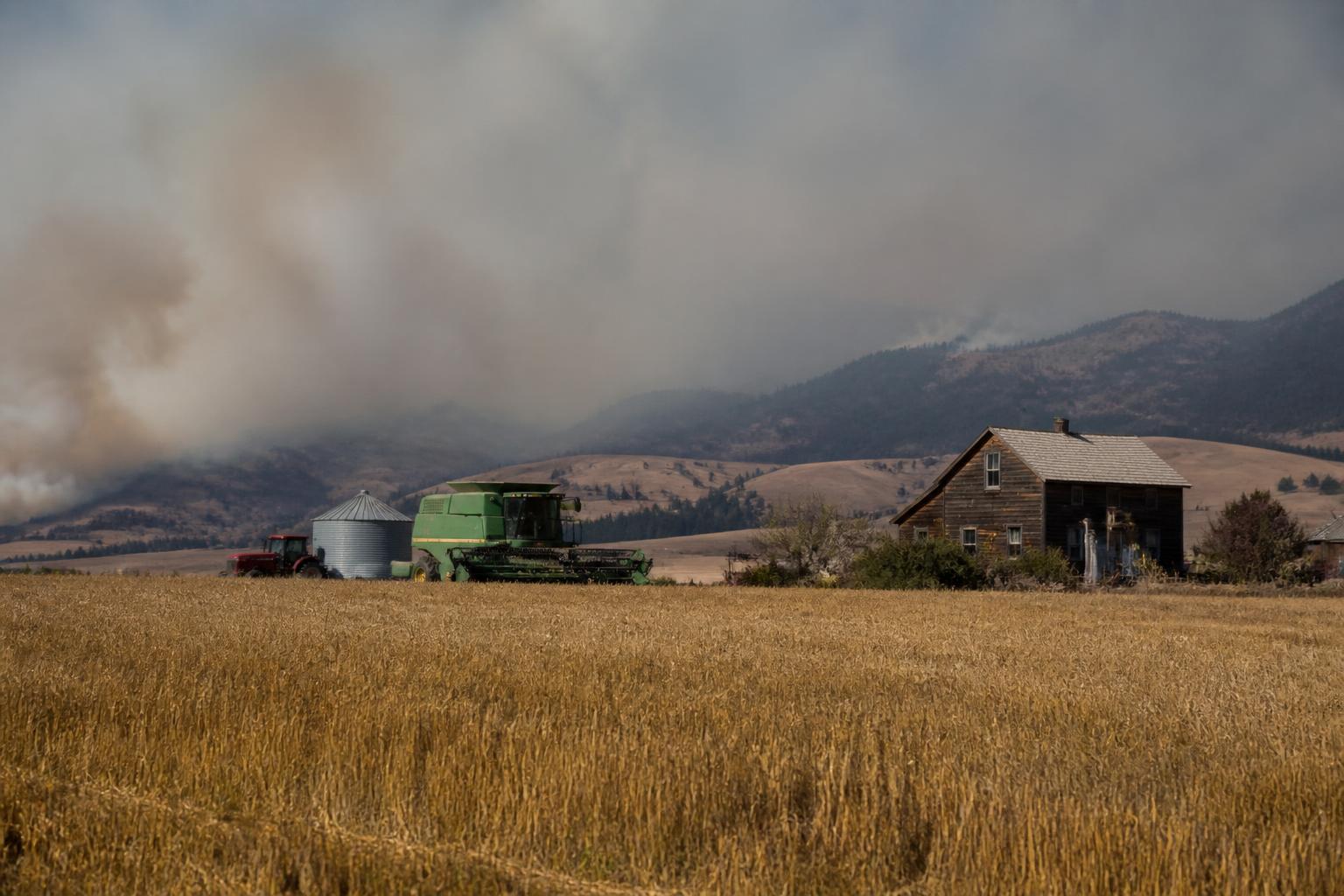
As the Montana harvest season hits its stride, producers are contending with a complex mix of environmental factors that may influence overall crop quality and field management. While the focus remains on bringing in the crop, late-season challenges such as regional wildfire smoke and lingering impacts from localized flooding have introduced a degree of unpredictability for some perennial forage and grain operations.
For growers near areas like Belt, recent weather events have served as a stark reminder of how sudden storm damage can disrupt field operations. These localized moisture events often create unique challenges for maintaining grain transit efficiency and managing crop inventory, forcing producers to adjust their logistical timelines while protecting their assets from further environmental degradation.
Evaluating Long-Term Crop Protection
The current volatility underscores the importance of protecting the ultimate farm asset: the land and the health of the upcoming cycles. Producers are increasingly looking at diverse varieties that offer resilience against fluctuating moisture levels and heat stress. As the state moves further into the fall, the focus shifts from growth to protection, ensuring that stored grain and forage remain viable despite atmospheric conditions that can be unpredictable at this time of year.
Balancing Regional Challenges
Beyond individual field concerns, the broader agricultural community continues to monitor infrastructure and policy updates that could impact market access. From the ongoing discussions regarding federal farm policy and supply chain transparency to the localized efforts in research and marketing for state-grown commodities, the Montana agricultural sector is navigating a period where adaptation is key. Whether dealing with the aftermath of late summer storms or planning for future inputs, the ability to pivot in response to changing conditions remains a hallmark of regional operations.
What it means for the market
For growers and agribusinesses, the combination of variable weather and shifting logistical requirements suggests that keeping a flexible inventory management strategy is essential. While individual farm results may vary significantly based on location, those who account for environmental downtime in their delivery schedules and prioritize crop protection in the field are better positioned to weather the current harvest volatility.
Comments
No comments yet - be the first to share your take.